Planning a Video Production in London: What Businesses Need to Know
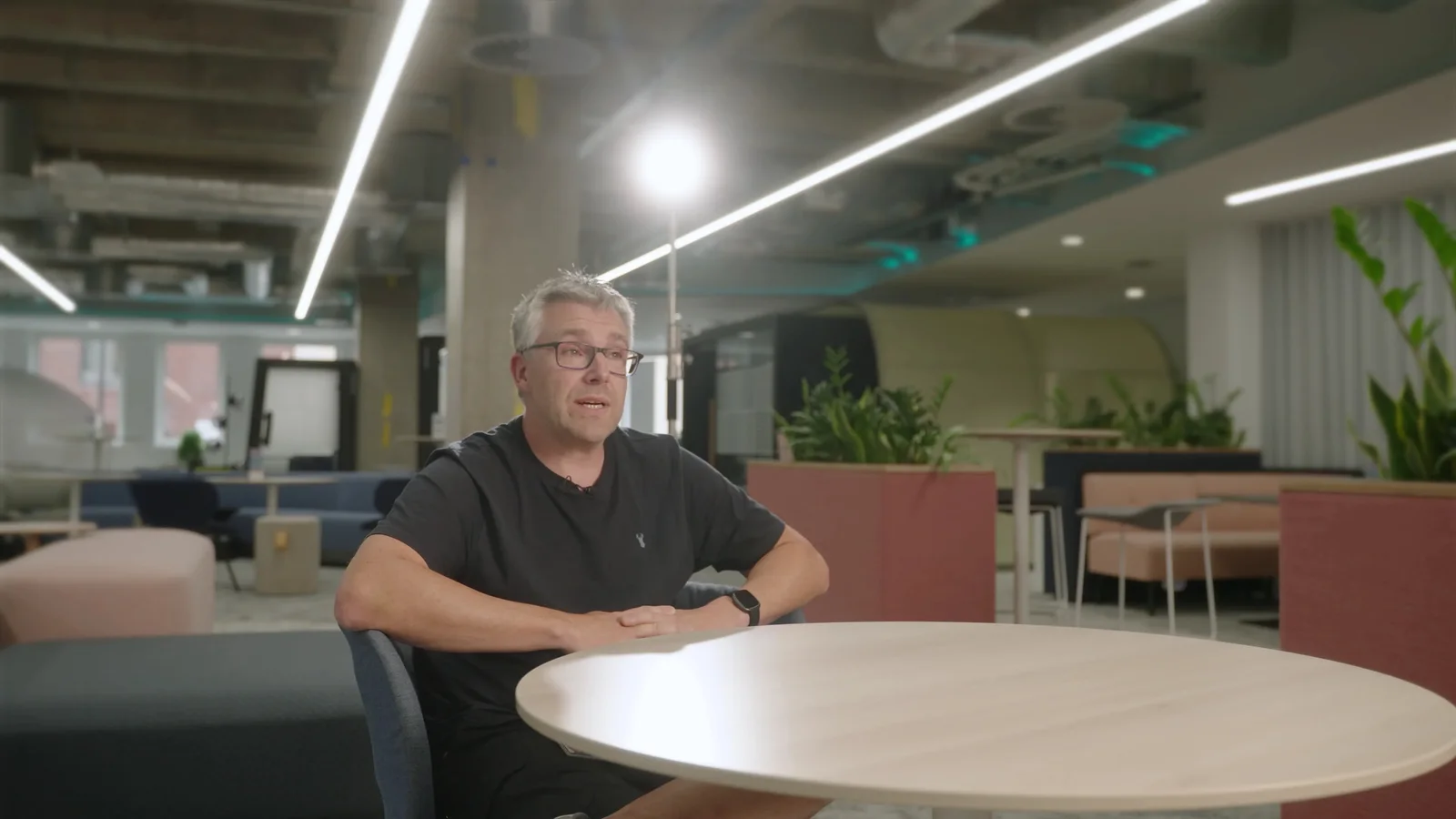
When we filmed our Sony and AMWORLD corporate testimonial at Sony Europe's London headquarters, we asked Darren from Sony to take the visiting AMWORLD team on a short tour.
It gave everyone something to talk about and gave us relevant activity to film alongside the interview. The surroundings helped explain the business relationship, rather than simply providing a backdrop.
That is a useful starting point for a London production. Decide what viewers need to see, then work out how to film it. A recognisable city view might be part of the idea, but it does not have to be the thing you organise the whole day around.
What are you asking the filming day to deliver?
Before choosing locations, describe the finished videos you need. A company introduction for your website, a customer testimonial and a collection of short social clips are different requests, even when they involve the same people.
For an interview-led corporate video, think about who can explain the subject and what you can show while they are talking. A customer describing a service is a useful start. Footage of that service being delivered gives the editor more to work with.
You do not need to write the entire film yourself. A brief such as "We want prospective clients to understand how our team handles a project, with our project manager explaining it and a customer discussing their experience" is enough to start a practical conversation.
Add where the film will appear, your deadline and any shorter versions you need. Mention captions, different languages and vertical formats at this stage. You may need particular shots or separate answers for those versions, rather than simply cropping the main film afterwards.
Our guide to writing a video production brief will help you bring those decisions together.

Spend the day filming, not relocating
Look at every proposed move and ask what it adds.
Travelling to a customer's premises may be essential to their story. Crossing London for a more impressive background behind the same interview is a different decision. Consider whether that time would be better spent getting a stronger answer or filming something useful at the main location.
The move itself includes packing equipment, leaving the building, travelling, signing in somewhere else and setting up again. A journey planner only covers part of that. Two locations can both be in London without making a sensible pairing for one shoot.
Start with a main base, then add other locations when they justify the move. Nearby exterior shots may be manageable with a smaller equipment setup while the interview kit stays securely inside. Ask the crew what is practical rather than assuming everything needs to travel together.
Choose the interview room with your ears as well as your eyes
A glass meeting room with a skyline view might look ideal in a photograph. Before booking it, check whether you can hear the ventilation, neighbouring conversations or traffic outside. Record a short phone video for the production team, including some time when nobody is speaking.
Check how long the room can be reserved and whether people use it as a route through the building. Include setup and packing away in the booking, not just the interview appointments.
You can film the interview in a quieter room and record the views separately. There is no requirement for every spoken line to have a landmark behind it. Our guide to natural corporate interviews and supporting footage looks at how those elements work together.

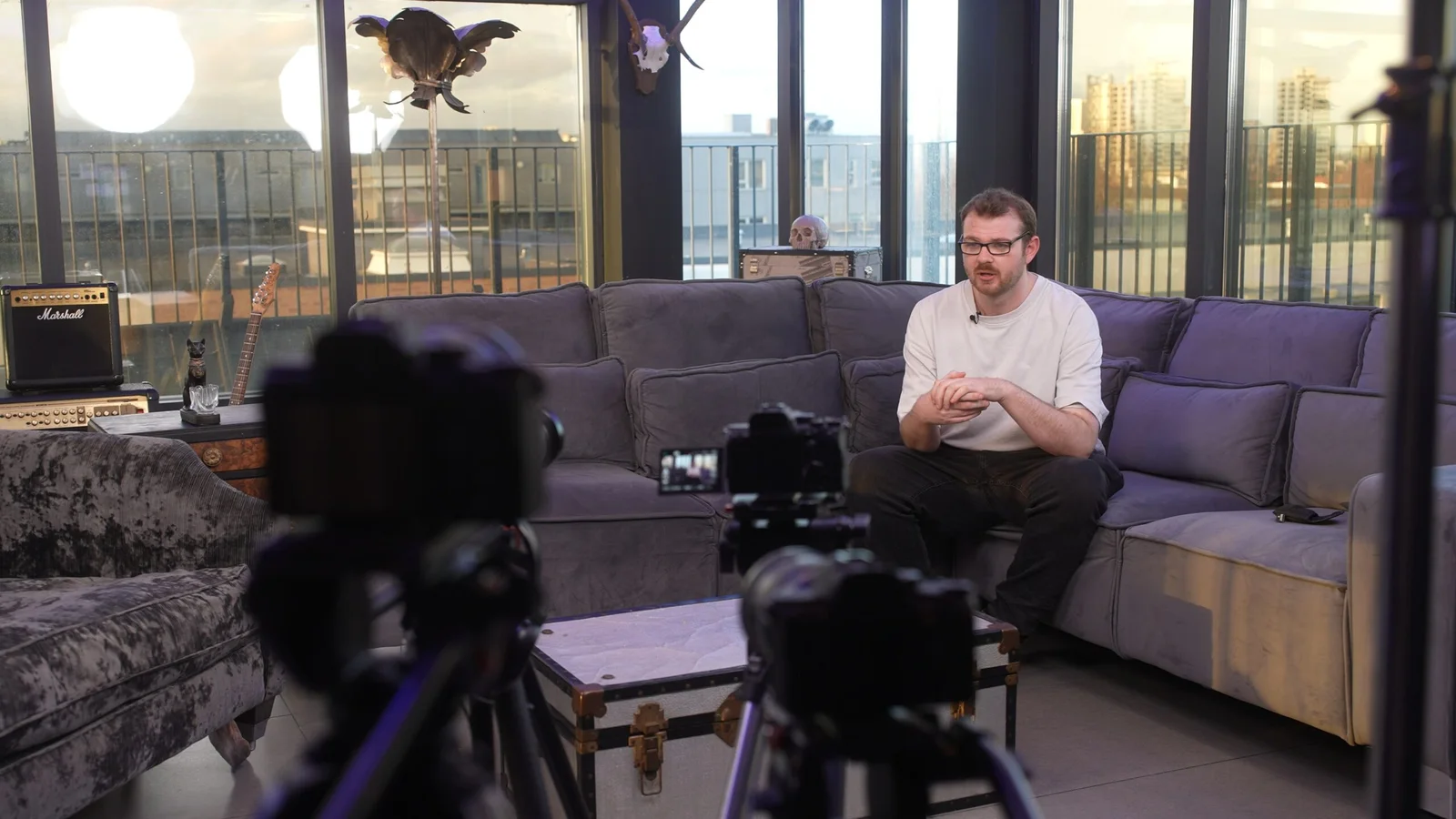
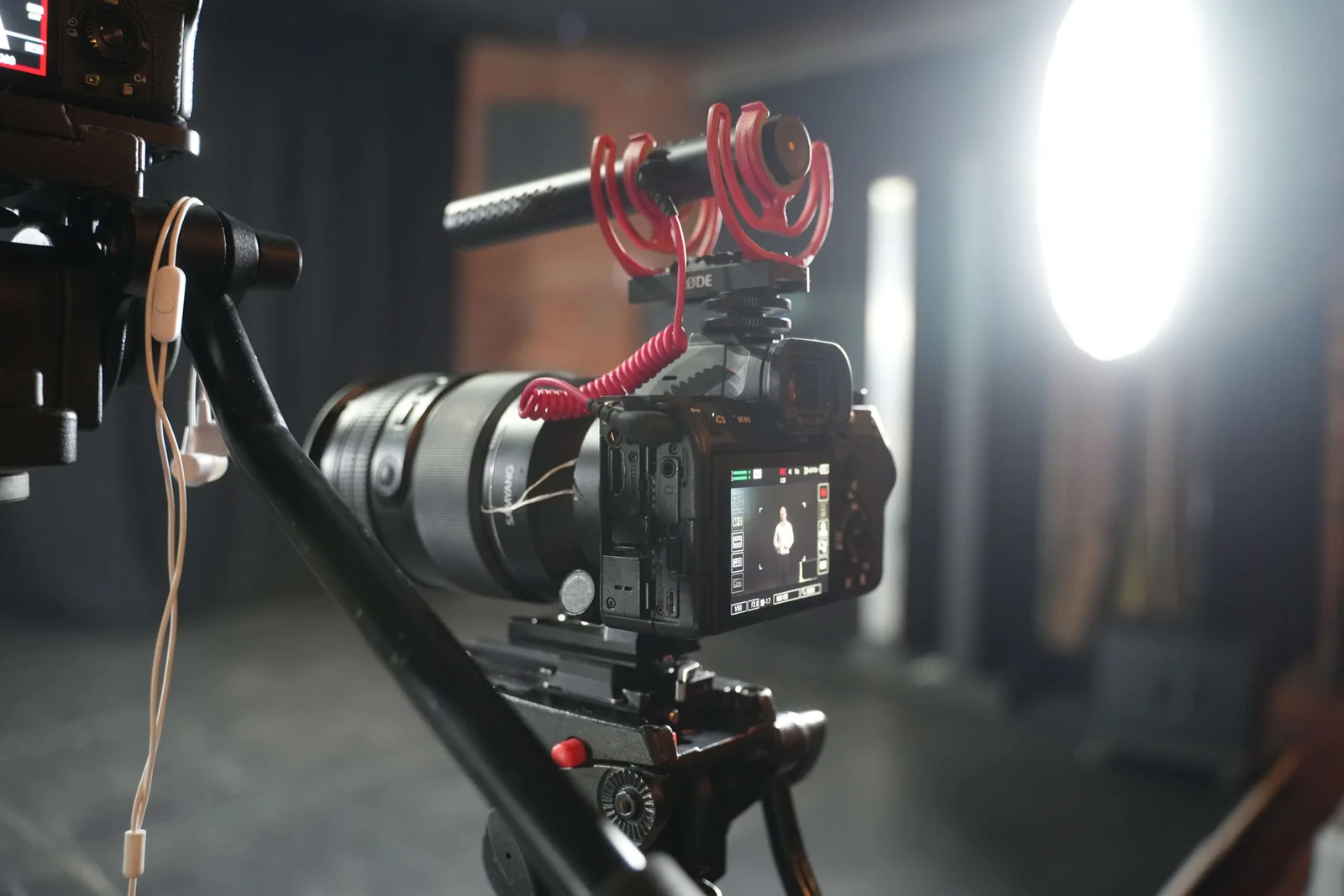
Before you point a camera at the city
There is no single answer to "Do we need a filming permit in London?" The exact place, the equipment and the effect on other people all matter.
For a small crew filming handheld without causing an obstruction on a borough-managed public highway, Film London's small-crew guidance explains that a licence or formal permission is not generally required. It still recommends contacting the relevant Borough Film Service. A setup involving tripods, lights or control of pedestrian movement needs its own checks; do not assume the same arrangement applies everywhere.
Public access is not the same as permission to use a place for filming. Film London's location guidance identifies privately or separately managed spaces, including areas around popular landmarks. Establish who controls the place where the camera and crew will stand, rather than only looking at the building in the background.
TfL locations are a separate consideration. For a planned business shoot in a station or elsewhere on the network, use TfL's filming and photography application route. TfL also says permission is needed to film on its red-route road network, regardless of crew size or equipment. Do not treat general small-crew street advice as permission to film there.
Agree who will make the enquiries and obtain any approvals. Give that person the real setup: crew and contributor numbers, times, camera positions, lighting and any vehicles. Ask about lead times, fees, risk assessments and insurance before making the location essential to the script.
This is part of pre-production, not something to leave for the camera operator to sort out on arrival.
The costs that do not appear in the shot
A filming quote needs to allow for the job around the camera as well as the recording itself.
Inside your building, confirm the correct entrance, security arrangements and how equipment gets to the room. A loading bay is only useful if it can be booked when the crew arrives. Find out whether a goods lift or an escort is needed, and give reception the names they will be expecting.
Outside, work out unloading and parking separately. If the crew is driving, check the vehicle and route against TfL's current road-user charging information. Congestion, emissions and relevant crossing charges should be assessed for the actual journey, not added as an unexplained standard "London fee". Travelling by train may suit another job, but the crew still needs a workable way to move its equipment.
Ask the production company to separate filming, editing and any agreed extras in the quote. Confirm how travel, parking, location fees, additional crew and an overrun would be handled. Our video production cost guide explains the wider budget.
Keep the amount of editing tied to the finished videos you have requested. Recording several interviews does not automatically include a separate edited film for every speaker. Agree the first-edit date, feedback process and final deadline too, especially when the video is part of a launch.
Need photography while everyone is together? Put it in the original enquiry and give it time in the schedule. Our guide to business photography shoots in London and Cambridge covers that side of the planning. Photographing portraits while an interview is being recorded may call for another person and another space.
When you ask us for a quote, include the locations you are considering, who needs to appear and what you need afterwards. We can then discuss the scope rather than price a filming day that turns out to be a different job.
Give everyone the same plan
Before filming, bring the arrangements into one current document. It should say where to arrive, who to contact, which rooms are booked and when each person is needed. Include setup, moves, breaks and packing away, and make sure the relevant permissions agree with the schedule.
Give interviewees the topics in advance and allow time for follow-up questions. Ask one person from the business to be available for decisions, including whether a screen, document or product is appropriate to show. Tell staff how the footage will be used and settle any necessary participation arrangements beforehand.
For outdoor material, decide what happens if it rains or the planned area becomes unavailable. Could the film still work with the interior footage? Would a covered location do the job? If the exterior is essential, agree the weather decision and any return-visit costs before the shoot.
The point is not to remove every possibility of a change. It is to know what can change without losing the film. Protect the conversation, demonstration or event you came to capture, and give the optional shots the time that is left.