Planning a Business Photography Shoot in London or Cambridge
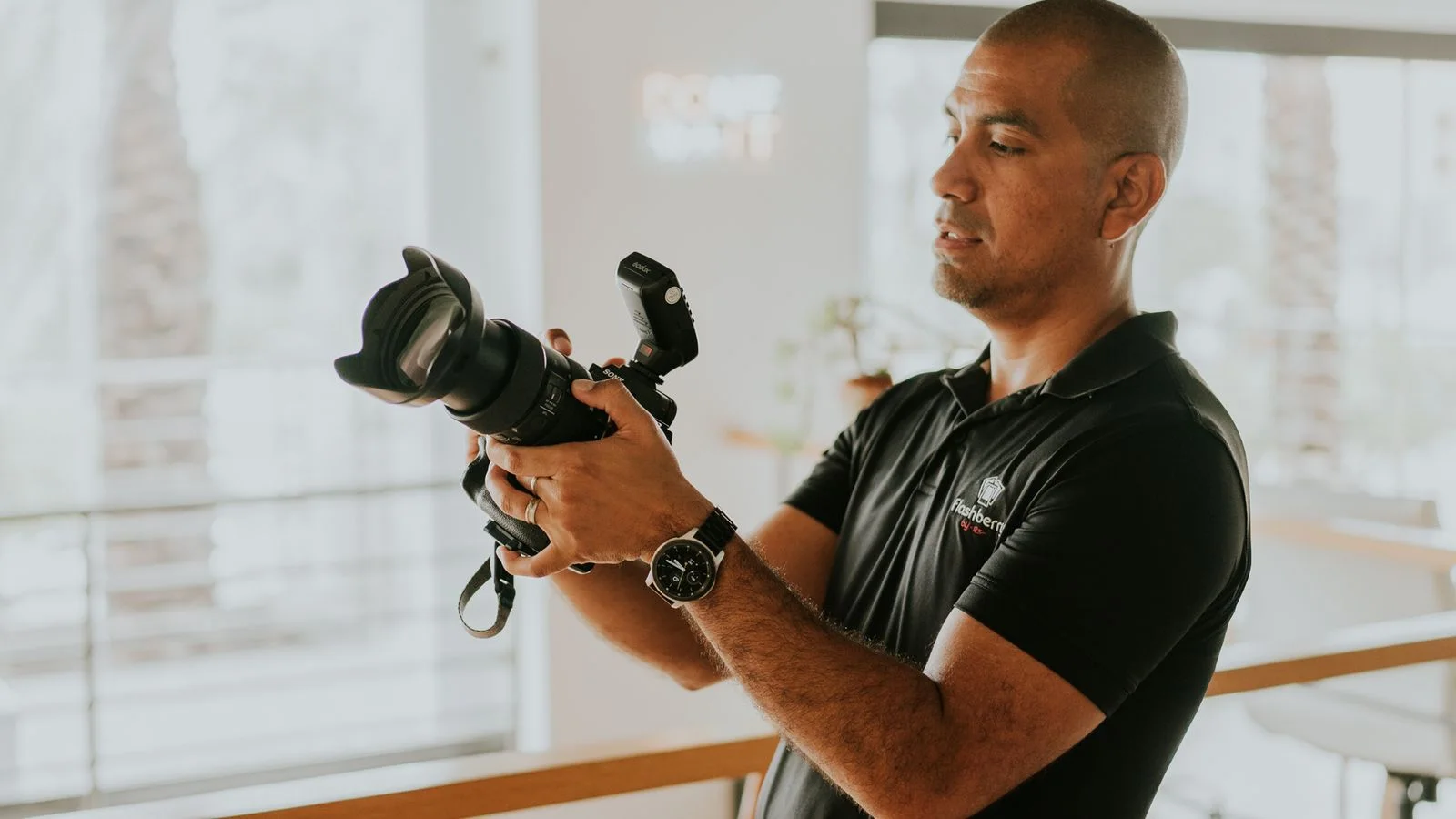
Suppose you need new headshots, photographs of the team at work and a few outdoor portraits. Then someone suggests a second location, the director mentions they have to leave by eleven, and the meeting room you were going to use is booked for most of the morning.
The photography is only one part of getting that day to work.
For a business shoot in London or Cambridge, we would start by finding a sensible base and deciding which pictures matter most. The city can give the photographs context, but it shouldn't take over the brief.
Your office might be the best location
Before looking for somewhere impressive to shoot, look at what you already have. Your reception, a meeting space or the part of the building where the work happens could give you several different backgrounds without anyone needing to leave the premises.
You don't need a spectacular office. Show the photographer a few phone pictures of the available rooms, including the windows and the space around the furniture. Let them assess the options before you book another venue.
Think about what the finished collection needs to include. For example, a useful brief might read:
"We're updating our website and need consistent portraits of eight people, photographs of the team working together and two wide images for the homepage. Most can be taken at our office. We'd also like a few outdoor portraits nearby, provided there's somewhere suitable we can use."
That gives the photographer something concrete to plan. Add a few examples of the style you like and any draft website layouts, particularly where text will sit over an image. Our guide to planning a brand photography shoot goes into more detail about turning those requirements into a shot list.
A recognisable city background can be worth including. Just be clear about its purpose. If the photograph is meant to introduce your team, you still need to be able to see the people in it.
London and Cambridge: the details to check
In London, check the exact spot
Keep the outdoor location close to your main base where possible. Before adding somewhere across town, work through the whole move: packing equipment, getting downstairs, travelling, finding the entrance and setting up again. Don't put only the journey time in the diary.
Then check who manages the place where you want to work. Film London's location-permission guidance explains that some apparently public streets and spaces are privately owned or managed. The position of the photographer and equipment matters, not just the building in the background.
There isn't a blanket permit requirement for ordinary public photography: the Metropolitan Police's guidance says members of the public and media do not need a permit to photograph in public places. That isn't the same as permission to set up a commercial shoot on private or managed land. Confirm the requirements for the location, people and equipment you actually intend to use, including any insurance documents requested.
Inside an office building, make the arrangements with reception or facilities as well as the team being photographed. Confirm the entrance, equipment access, room booking and who will meet the photographer.
In Cambridge, check how you'll get in
For a central Cambridge shoot, check unloading before deciding when the photographer should arrive. The historic centre has vehicle-access and loading restrictions, so a nearby address doesn't necessarily mean equipment can be delivered to the door at any time.
If a college courtyard, riverside setting or another managed location is part of the idea, involve the relevant location contact before promising it to the team. Cambridge City Council's filming guidance identifies contacts and processes for council land, highways and other locations. Explain that you are planning commercial stills photography and ask which requirements apply to that particular setup.
You also don't have to use historic architecture simply because the business is in Cambridge. A workshop, office or research space may tell a prospective customer much more. Choose somewhere connected to the organisation rather than borrowing a setting that suggests a relationship you don't have.
For a project involving other company sites, our Suffolk and Essex photography guide covers the location planning for those areas.
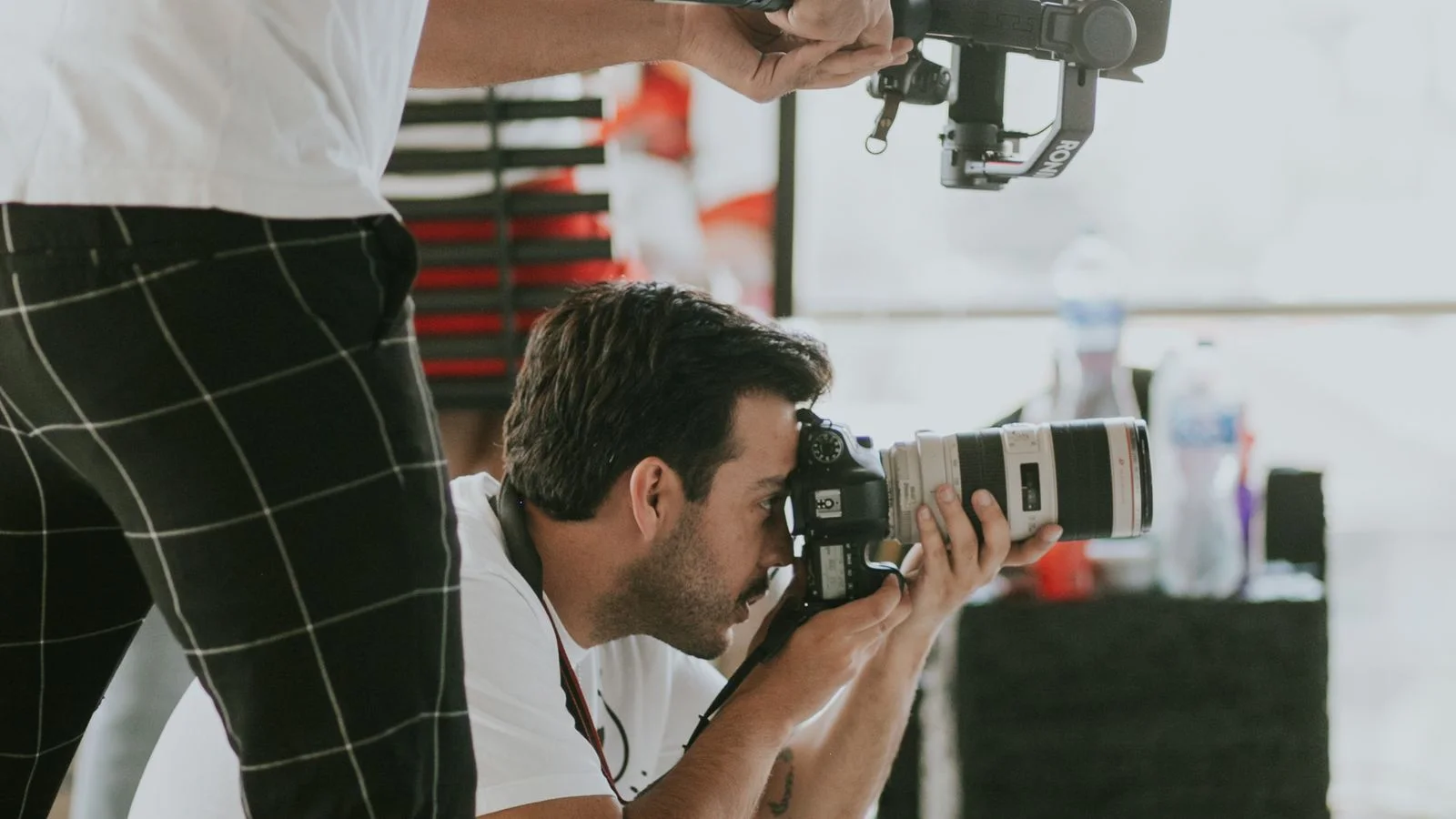
Build the day around the people
Go back to the eight-person brief. Rather than moving everyone between locations, you could keep one room available for portraits, photograph small groups around the workplace and take only the people needed for the outdoor pictures on the final walk.
Book the portrait room for setup and packing away as well as the appointments themselves. Ask the photographer how much time they need before sending invitations. A booking that starts at nine doesn't necessarily mean the first person should be ready for their photograph at nine.
Give people individual times and a clear place to arrive. If someone has to leave early, include every photograph they are needed for in their window, including any group picture. Our guide to organising a company headshot day covers the arrangements for larger teams.
For the workplace photographs, agree a few real activities that can happen while the photographer is there. A colleague explaining a design, checking a product or talking through a project gives everyone something to do. You can repeat part of an activity for the camera without asking people to pretend to work on something they know nothing about.
Prepare those areas beforehand. Remove confidential paperwork and live customer information from screens, but don't clear away everything that makes the workplace recognisable. Tell staff what is being photographed, how the images will be used and who to speak to about any concerns or adjustments. There is more on this in our corporate photography preparation guide.
Keep the outdoor part flexible where the brief allows it. If rain would make those portraits impractical, agree an indoor alternative rather than leaving the whole team waiting for it to stop. When a particular exterior really is essential, discuss the weather decision and any rescheduling costs before booking.
This is an example of how to organise the coverage, not a promise that every eight-person shoot fits into a morning. The number of setups, access arrangements and time needed with each person should determine the booking.
The last email before the shoot
Once the plan is agreed, put the final arrangements in one place. Include the correct entrance, arrival contact, room details and people's times, along with any access instructions the photographer needs before setting off.
Attach the agreed shot list and identify the pictures you cannot leave without. Ask one person from the business to be available for decisions, including whether a screen, product or document is suitable to appear. That is easier than discovering during editing that nobody was sure.
The booking should also settle the number of finished images, any particular retouching, intended usage and delivery date. Confirm whether travel, parking or location costs are included. For the wider questions to ask before committing, see our guide to choosing a commercial photographer.
We provide business photography in London and Cambridge, with the shoot planned around your people and the images you need. A few phone pictures of the space and an outline of the job are enough to start a conversation. Send us what you have in mind, and we can discuss what is realistic before everyone starts rearranging their working day.