
A Guide to Commercial Photography in Suffolk and Essex
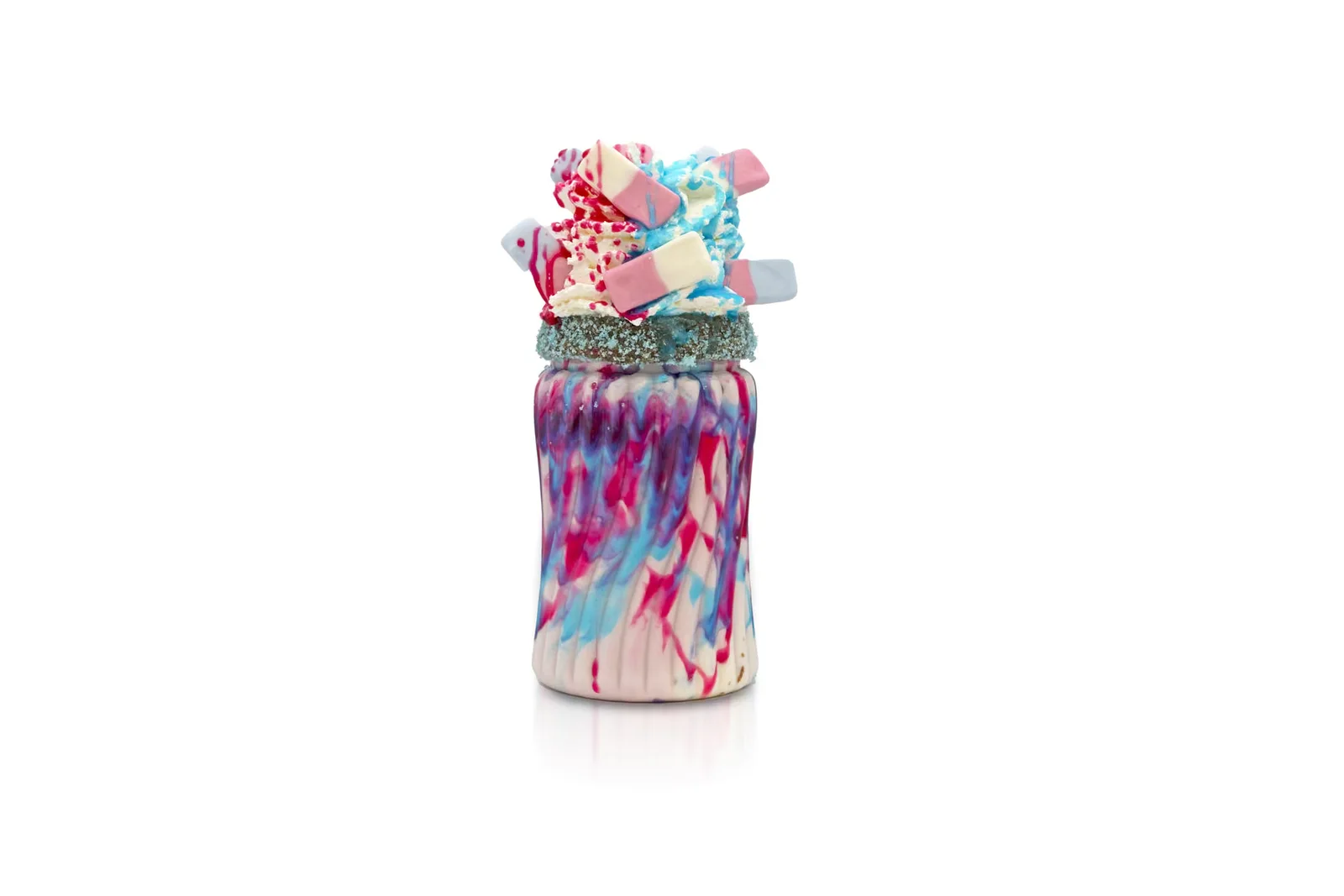
Commercial photography can mean a polished product image photographed in a controlled setup, a member of staff working on site, a packed conference room, a carefully lit portrait or a series of photographs showing how a service actually works.
The common thread is not the style. It is that the photographs are being made for a business purpose.
If you are planning a shoot in Suffolk or Essex, start there. Before choosing a location or building a shot list, work out what the finished images need to help you explain, sell or document.
A useful commercial shoot should leave you with photographs that have somewhere to go: a website page, campaign, proposal, press release, product listing, recruitment page or social post. The location matters, but the job of the photograph matters more.
Start with where the photographs will actually be used
“We need some new business photos” is understandable, but it does not yet tell the photographer enough.
A stronger brief connects the image to its use.
| Where the photograph will appear | What it may need to show |
|---|---|
| Homepage or service page | The people, environment or work that helps a customer understand the business. |
| Product page | Shape, material, features, scale and useful detail. |
| Team page | Consistent portraits that introduce real members of staff. |
| Recruitment page | The workplace, roles and everyday activity rather than generic office imagery. |
| Case study | The project, location, people involved and evidence of the work being discussed. |
| Social campaign | A series of images with enough variety to support several posts rather than one hero photograph. |
| Event marketing | Speakers, attendees, atmosphere, branding and the moments that show what the event was actually like. |
That distinction changes the shoot.
A wide photograph with plenty of negative space might be ideal for a website banner. The same frame could be frustrating for a product listing where the customer needs to inspect a small detail. A natural photograph of a team talking may suit an About page, while a directory needs individual headshots with a repeatable crop.
Our guide to planning a brand photography shoot goes into this in more detail. Start with the pages and campaigns, then decide which photographs belong in them.
For another local option, you can also look through the Tiptree & District Business Directory.
Photograph the business, not a stereotype of Suffolk or Essex
There is plenty of visual variety across both counties: town centres, industrial estates, farms, offices, coast, countryside, hospitality venues, schools, retail spaces and construction sites.
That does not mean every Suffolk business needs a field in the background, or every Essex business needs a recognisable landmark.
If the location says something useful about the organisation, include it. If it does not, there is no need to force regional identity into every frame.
A manufacturer might be better served by showing the machinery, people and process inside its real premises. A hospitality business may need the surrounding landscape because it is part of the experience. An engineering company working across customer sites might benefit from photographs made in the environments where the work genuinely happens.
Use the location as evidence, not decoration.
That is especially important for photography on your business website. A visitor should learn something from the image, rather than simply discover that somebody found a picturesque place nearby.
People make a commercial image library much more useful
A surprisingly large number of business image libraries contain empty meeting rooms, empty desks and close-ups of equipment with nobody using it.
Those pictures can be useful. They rarely tell the whole story.
If people are part of the service, show them.
That might mean:
- an engineer carrying out an inspection;
- a member of staff helping a customer;
- a chef preparing a dish;
- a team discussing a real project;
- an instructor leading an activity;
- a director or specialist explaining something in the environment where they work.
Give people something genuine to do. “Pretend to have a meeting” tends to produce photographs that look exactly like people pretending to have a meeting.
A better approach is to identify real activity that can be photographed safely and without disrupting the business. Small amounts of direction can then improve position, light and composition without turning the scene into theatre.
If you need individual portraits as well, plan them separately. A company headshot day benefits from a repeatable setup and appointment schedule; workplace photography is usually more flexible and observational.
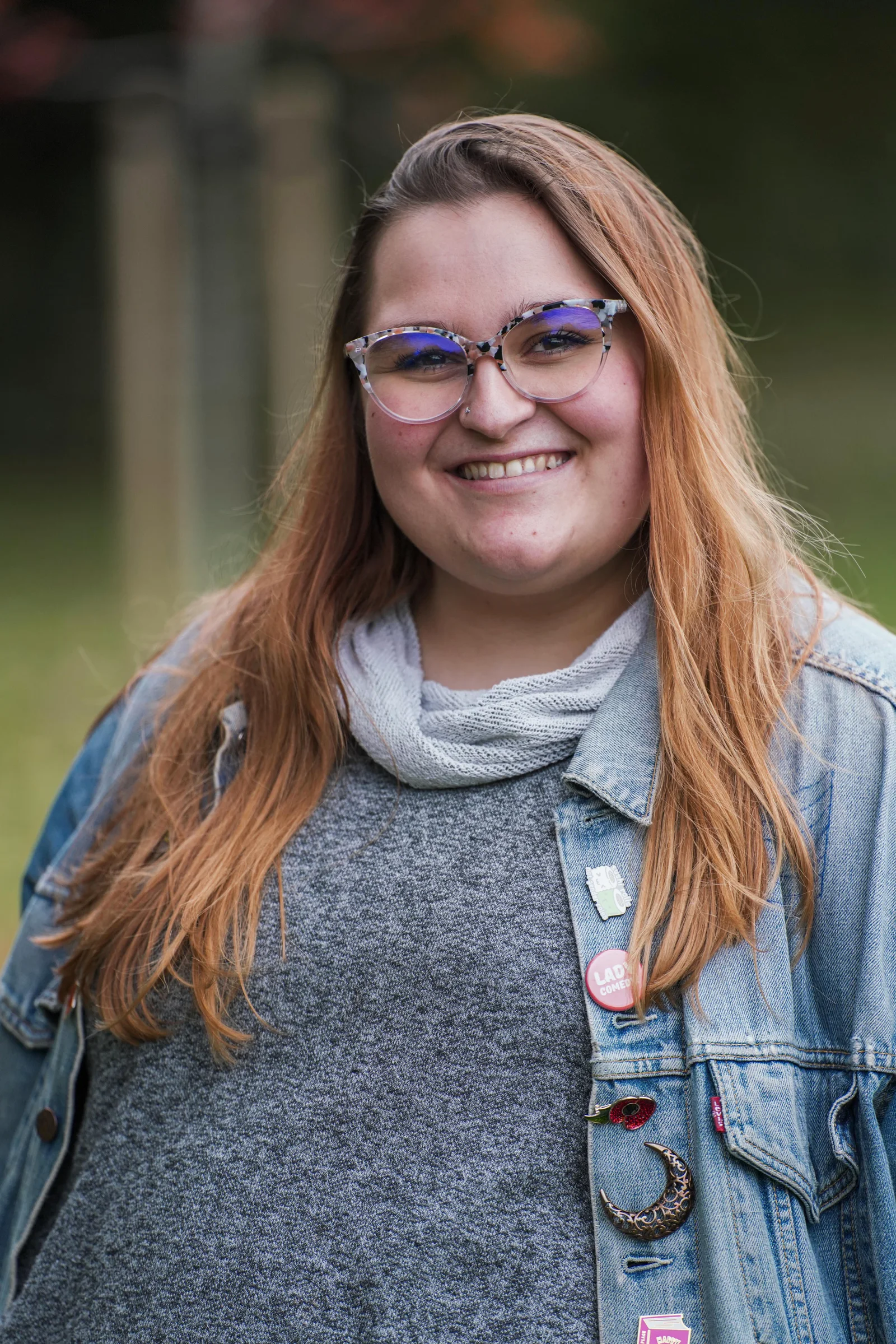
Product photography may need a completely different setup
Commercial photography is not limited to photographs of people at work.
For products, the priorities can be very different: colour accuracy, surface detail, consistency between items and enough views to help a customer understand what they are buying.
A clean product image and a lifestyle photograph are not competing ideas. They answer different questions.
Imagine a food or drink brand. A consistent front-facing photograph may be ideal for a menu. A styled scene may be better for a seasonal advert. A close detail can show texture. A photograph of someone holding the product can establish scale and give the brand more personality.
Our commercial versus lifestyle photography guide explains how those approaches can work together.
A real example: Social Shakes
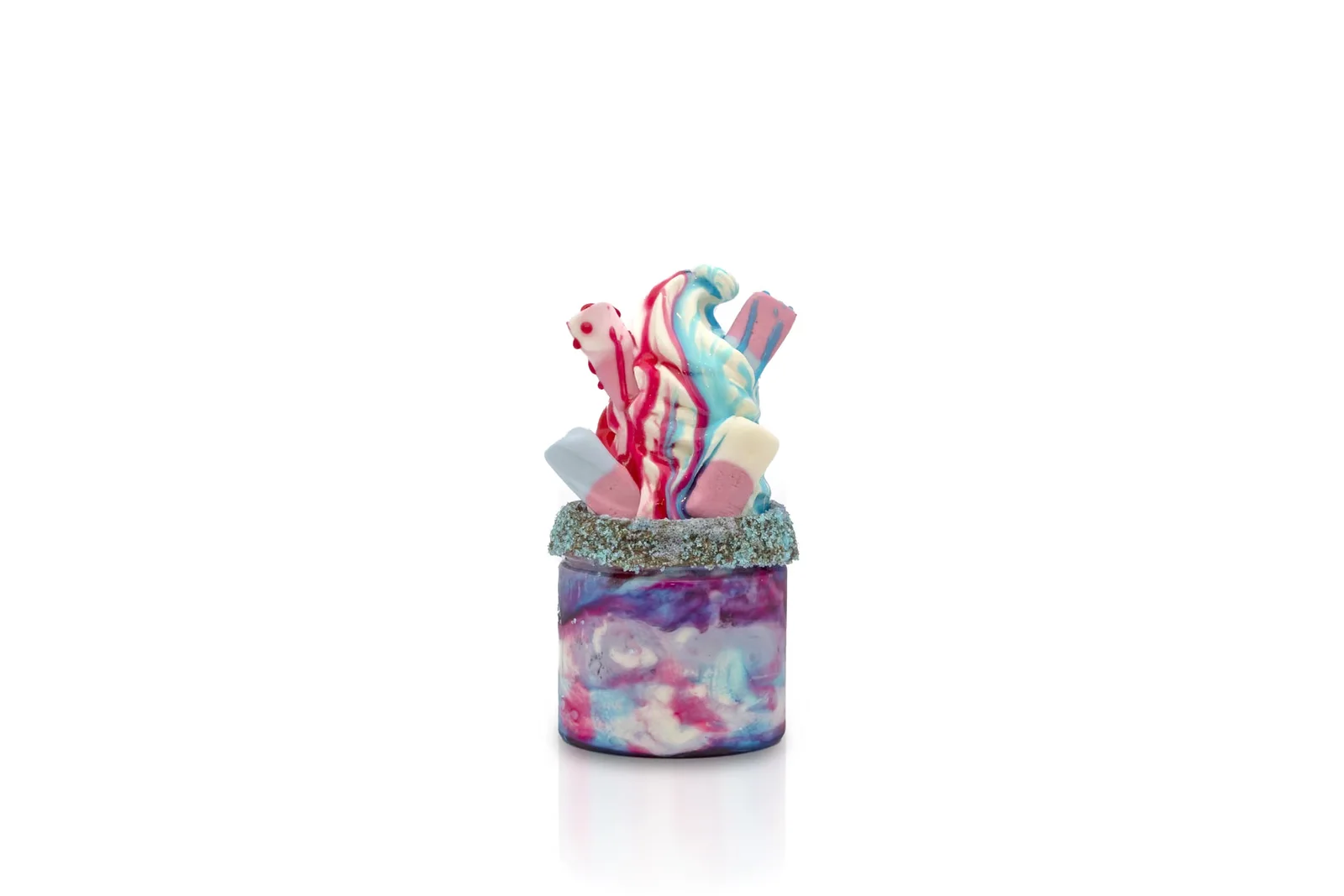
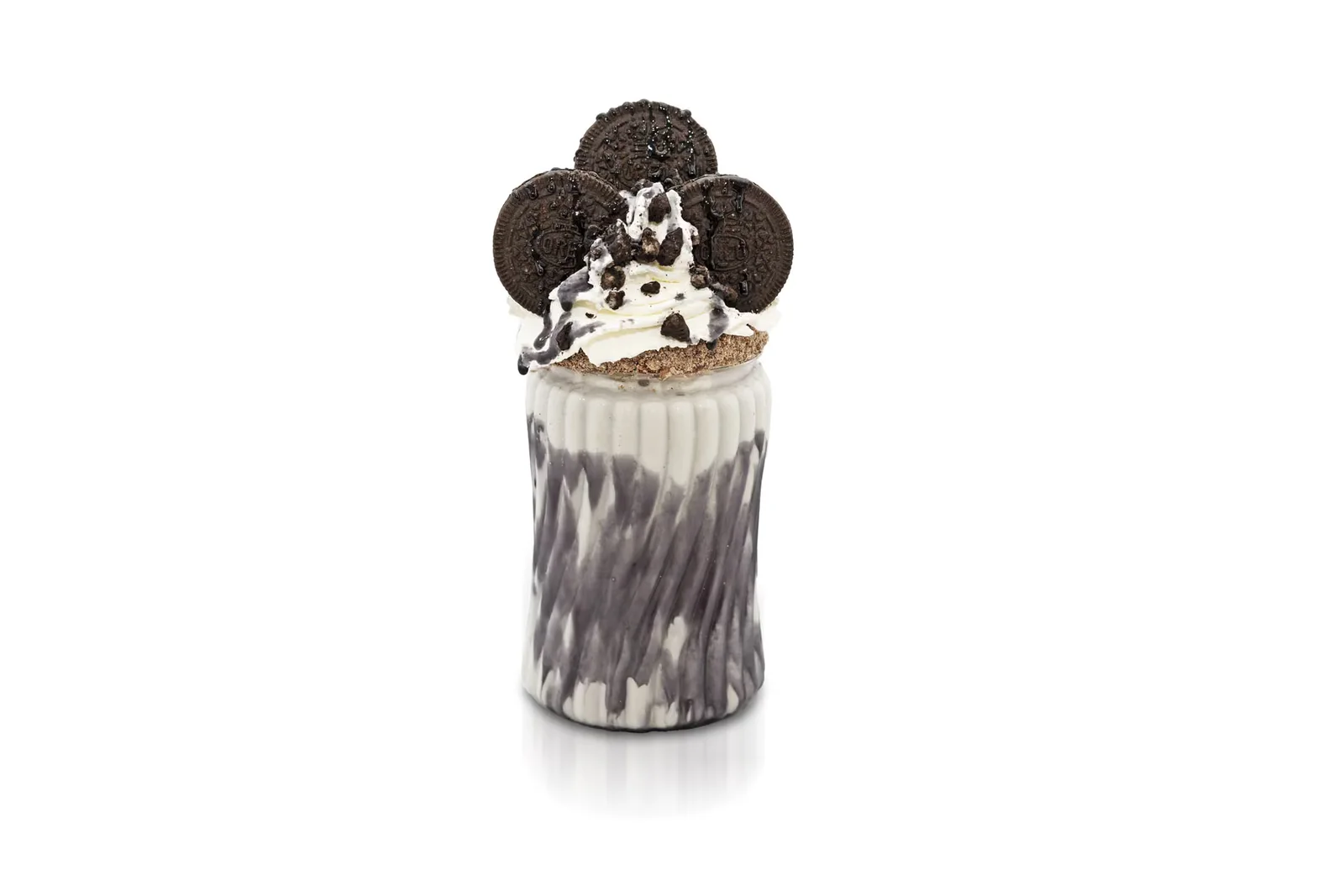
Our work with Social Shakes included around 500 product photographs across the wider collaboration, alongside promotional films and social content for the Lakeside-based brand.
The product photographs needed consistency because they formed a library, rather than a collection of unrelated one-off images. Front views, overheads, groups and details gave the brand different ways to use the same range across menus and marketing.
That is a useful way to think about a larger commercial shoot: not “how many different photographs can we take?”, but what repeatable image system will make this collection useful?
If you are planning a catalogue or ecommerce shoot, our product photography service covers the more specific requirements around products, sets and finished images.
Suffolk and Essex shoots need realistic travel planning
Local does not always mean quick.
A morning that looks simple on a map can become much tighter once you add rural roads, gated sites, parking, loading equipment, security sign-in and movement between buildings.
This matters particularly when a commission covers several locations.
Suppose a business wants portraits at its Suffolk office, photographs of an operational site elsewhere and an exterior image at a customer location in Essex. The most efficient plan may not be to squeeze everything into one day.
Group the schedule around geography, access and the people who need to be present. Protect any activity that happens at a fixed time, then build the flexible photographs around it.
For each location, confirm:
- the exact address and the correct entrance;
- where the photographer can park and unload;
- who provides access;
- whether a site induction or PPE is required;
- which areas are restricted;
- which people and activities are available;
- whether there is a practical indoor or wet-weather alternative.
Travel and setup are part of the working day. Planning them properly gives the photography more time, not less.
Outdoor photography needs a useful weather plan
You cannot commission a particular cloud formation for 11:15 on a Tuesday.
You can decide which conditions matter enough to affect the shoot.
An exterior property photograph may rely heavily on the light and weather. A staff portrait made under cover may be far less sensitive. A construction project may need photographs on a specific day because the work cannot be rearranged around the forecast.
Decide which category each part of the brief falls into.
For weather-sensitive work, agree when the decision will be made and what happens if conditions are unsuitable. That might mean moving one part of the shoot indoors, rescheduling an exterior or simply accepting overcast conditions because the operational moment matters more than blue sky.
Do not turn “good weather” into a vague requirement that nobody can make a decision against.
Working businesses create practical privacy and safety questions
Real workplaces contain real information.
Before the photographer arrives, look for things that should not appear publicly: customer details on screens, confidential documents, vehicle registrations, prototypes, whiteboards, security passes or commercially sensitive equipment.
It is usually much easier to move, cover or reframe something before taking the photograph than to depend on extensive retouching later.
The same applies to people. Decide who can appear, how they will be briefed and who is responsible for the organisation's permissions or consent process. Where members of the public may enter the scene, discuss how that will be managed rather than simply hoping nobody identifiable appears.
Safety comes before appearance. Nobody should remove required PPE, enter a restricted area or perform an unsafe version of a task because it makes the photograph cleaner.
Our guide to preparing for a corporate photography shoot covers those practical arrangements in more detail.
One photography day can support several parts of the business
When the people and location are already available, it can make sense to collect more than one useful type of image.
For example, a single business photography day might include:
Morning — portraits
A consistent set of headshots for the team page and LinkedIn profiles.
Late morning — people at work
Natural photographs of staff carrying out real tasks for service and recruitment pages.
Afternoon — details and spaces
Products, equipment, premises and wider images for proposals, presentations and social content.
That does not mean adding every imaginable photograph to the brief. Each extra setup takes time. Prioritise the images that already have a planned use.
If video is also needed, decide whether stills and filming can happen sequentially or whether they compete for the same moments. Our guide to booking photography and videography together explains when one combined production can simplify things and when dedicated operators make more sense.
Agree the finished image library before the shoot
The number of times the shutter is pressed is not the same as the number of finished photographs you will receive.
Ask what is included:
- approximately how many final images;
- whether the photographer or client makes the selection;
- the level of editing and whether detailed retouching is additional;
- landscape, portrait, square or other planned crops;
- high-resolution masters and web-ready versions;
- how the images will be delivered;
- the agreed usage;
- the expected delivery date.
If you need a specific quantity, say so before the shoot. “Plenty of photos for social media” can mean very different things to different people.
Our guide to how many photographs to expect from a professional shoot explains the difference between captured frames, selected photographs and finished exports.
What should commercial photography cost?
There is no useful county-wide price for “commercial photography” because the work can range from a short portrait session to a multi-location campaign with products, staff and extensive retouching.
The quote should reflect the actual assignment.
Useful things to compare include the photography time, preparation, number of locations, travel, additional crew, specialist equipment, finished image quantity, retouching and any unusual delivery requirements.
Our photography and production pricing gives a starting point for The Camera Guys. For a real project, we would still build the quote around what needs photographing and what you need back afterwards.
A cheaper shoot is not necessarily poor value, and a larger one is not automatically better. The useful comparison is whether both quotes describe the same job.
A simple brief is enough to start
You do not need to write a creative treatment before contacting a photographer.
Something like this is enough to begin:
We are updating our website and need new photographs of the team, our workshop and three services. There are 14 members of staff, we are based near Ipswich and the images need to work across the homepage, service pages and recruitment material. We would also like a small library of landscape and portrait images for social media.
That tells the photographer far more than “we need some commercial photography”.
From there, you can work out the people, locations, shot priorities, time and finished deliverables together.
When choosing a commercial photographer, ask to see complete work from assignments with similar practical challenges. An industrial site, a hospitality business and a product studio can all require very different approaches.
Commercial photography across Suffolk and Essex
The Camera Guys works with businesses and organisations across Suffolk, Essex and further afield, creating commercial photography for people, products, workplaces, events and marketing campaigns.
Our base near Sudbury puts us well placed for projects around Bury St Edmunds, Ipswich and wider Suffolk, while we regularly work throughout Essex and across the UK.
You can explore our wider professional photography services or send us your brief.
Include the location, what needs photographing, where the images will be used and any deadline you are working towards. A rough list is enough. We can help turn it into a practical shoot plan.