
Promotional Videos: What They Are and How to Use Them
A promotional video introduces a product, service, event or business and gives people a reason to take an interest. That might mean exploring a new product, booking a visit, buying a ticket or getting in touch.
It does not have to advertise a discount or a limited-time offer. A film showing the care behind a handmade product can be promotional, just as a short announcement for an upcoming event can. The important question is what the viewer should understand, feel or do afterwards.
There is overlap with corporate video production, but a promotional film usually has a more focused job than telling the whole company story. That focus should guide the content, the filming and where the finished video appears.
Give the film one clear job
Before choosing music or collecting reference videos, decide who the film is for and why they would care about what you are showing them.
Imagine a kitchen showroom planning a campaign. "We need a video of the showroom" leaves plenty of questions unanswered. A more useful starting point would be:
We want homeowners planning a kitchen renovation to book a showroom appointment. The film should show the finished kitchens, demonstrate a few useful details and introduce the people who will help them.
That is an illustrative brief, not a script. It leaves room for a creative approach while making the purpose clear. A close-up of a clever storage feature now has a reason to be there. So does a designer explaining how an appointment works.
Choose one main action rather than asking viewers to buy, subscribe, follow, download and enquire in the same short film. Other information can sit on the page around it. You do not need to fit the entire sales process into the edit.
Different offers need different films
Promotional video is a purpose, not a single visual style. The right approach depends on what people need to see before they can picture choosing you.
Help people understand a product
With a physical product, consider which details are difficult to communicate through a description alone. You might need to show how something moves, how large it is, how it is used or what goes into making it. Those questions are a useful starting point for product video production.
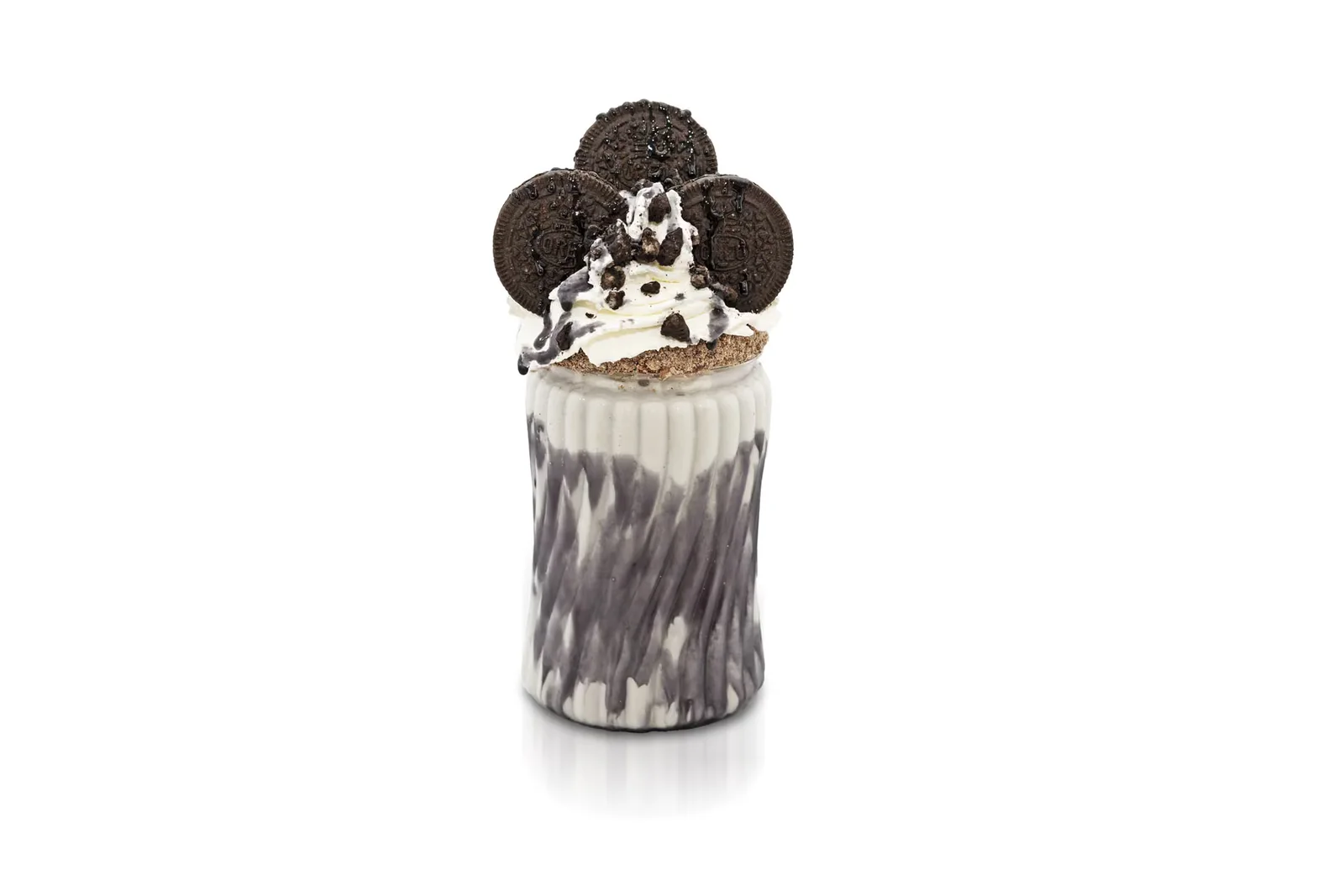
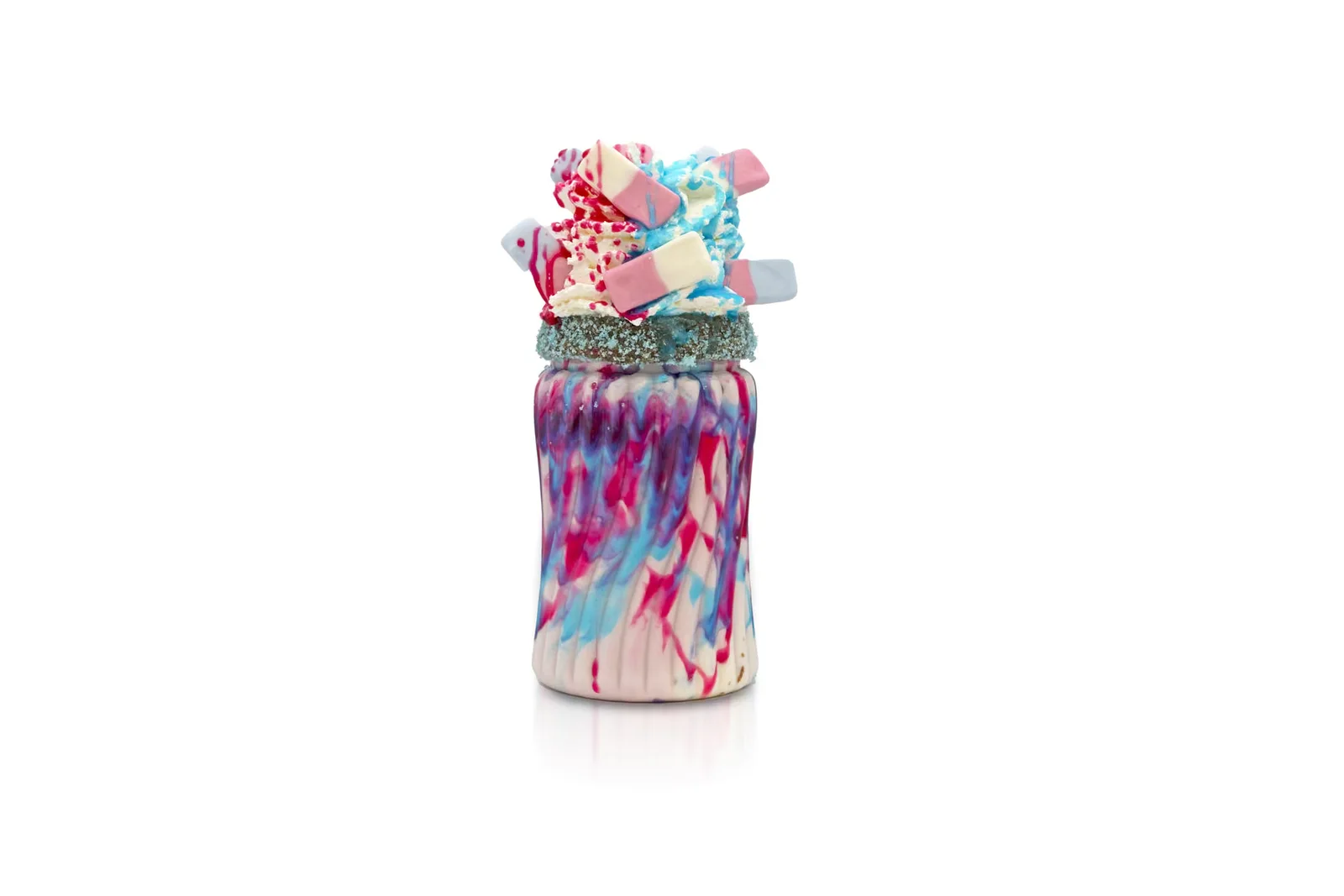
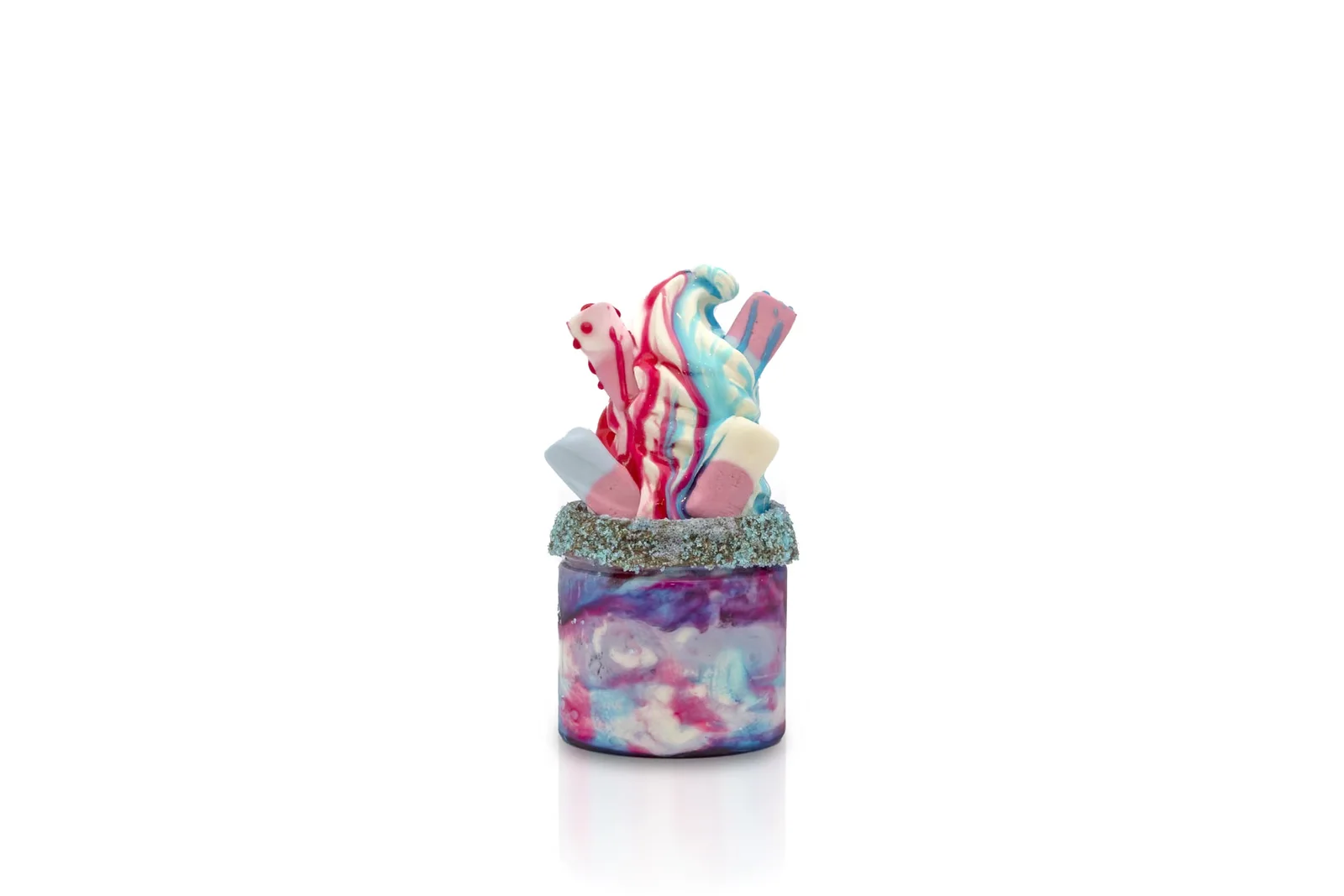
Our Social Shakes project brought together several approaches across a longer collaboration. The main promotional film included the store, preparation and finished drinks, while separate product clips and Halloween content gave individual items and seasonal promotions their own space.
The lesson is not that every product needs an elaborate campaign. Decide whether you are introducing the brand, showing a particular product or promoting something seasonal. Give each film a clear priority, even when the work shares the same setting and visual identity.
Make a service easier to understand
For a service business, the interesting footage may be the work that customers do not normally get to see. Showing the process can be more useful than asking someone to describe the business as reliable, professional or customer-focused.
For Secure ITAD's process film, we followed the handling of retired IT equipment through collection, processing, data handling and recycling activity. The working environment and sequence of tasks gave the service something concrete to show.
A different business might need a customer to explain the experience of working together. Where that is the stronger story, customer testimonial videos offer another way to introduce the service. Choose the evidence that answers a real customer question rather than adding an interview simply because corporate films often contain one.
Give people a feel for an experience
For an attraction, venue or event, consider what someone needs to know before committing their time or money. What will they actually do there? Who is it suitable for? What makes the visit worthwhile?
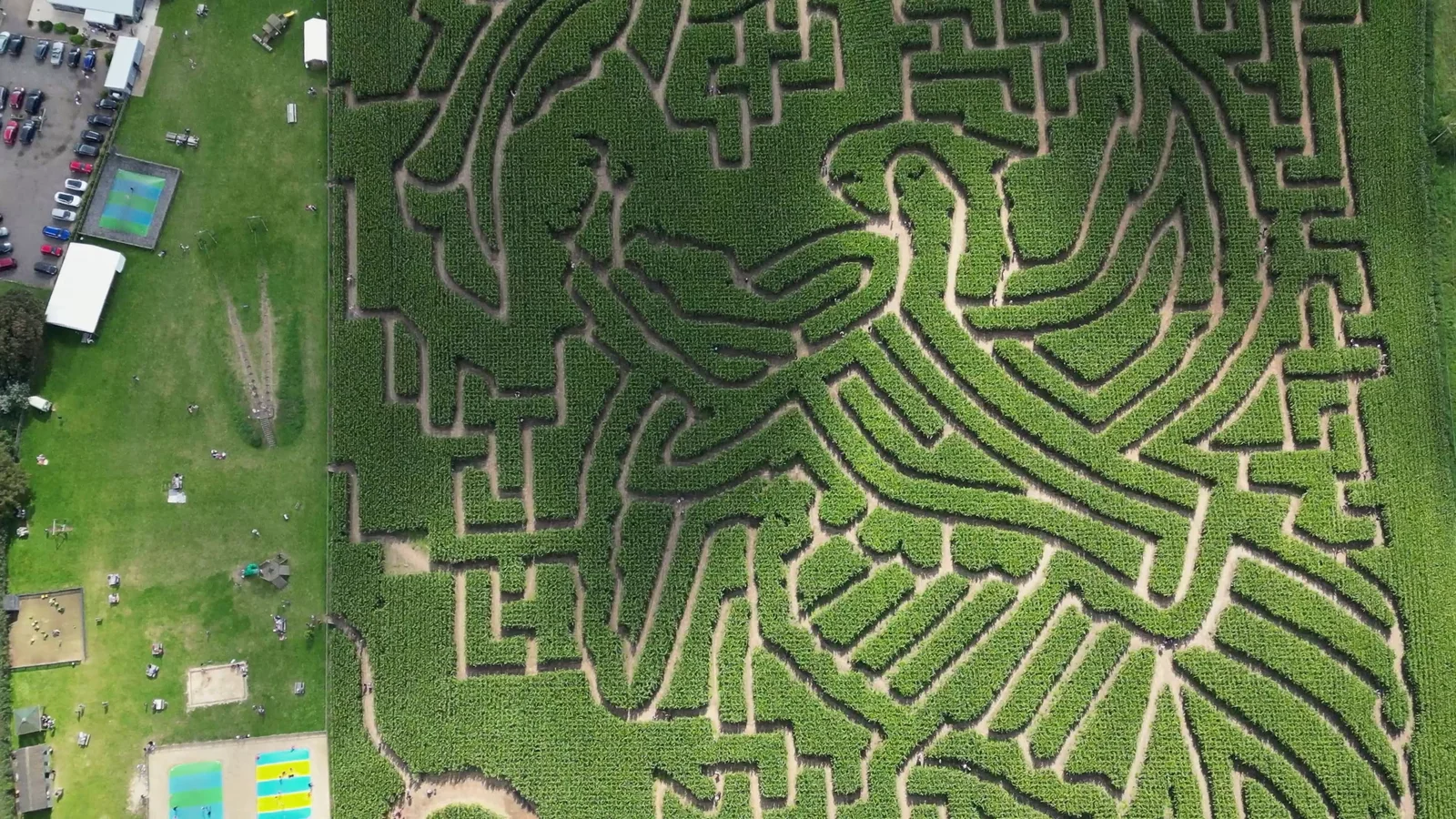
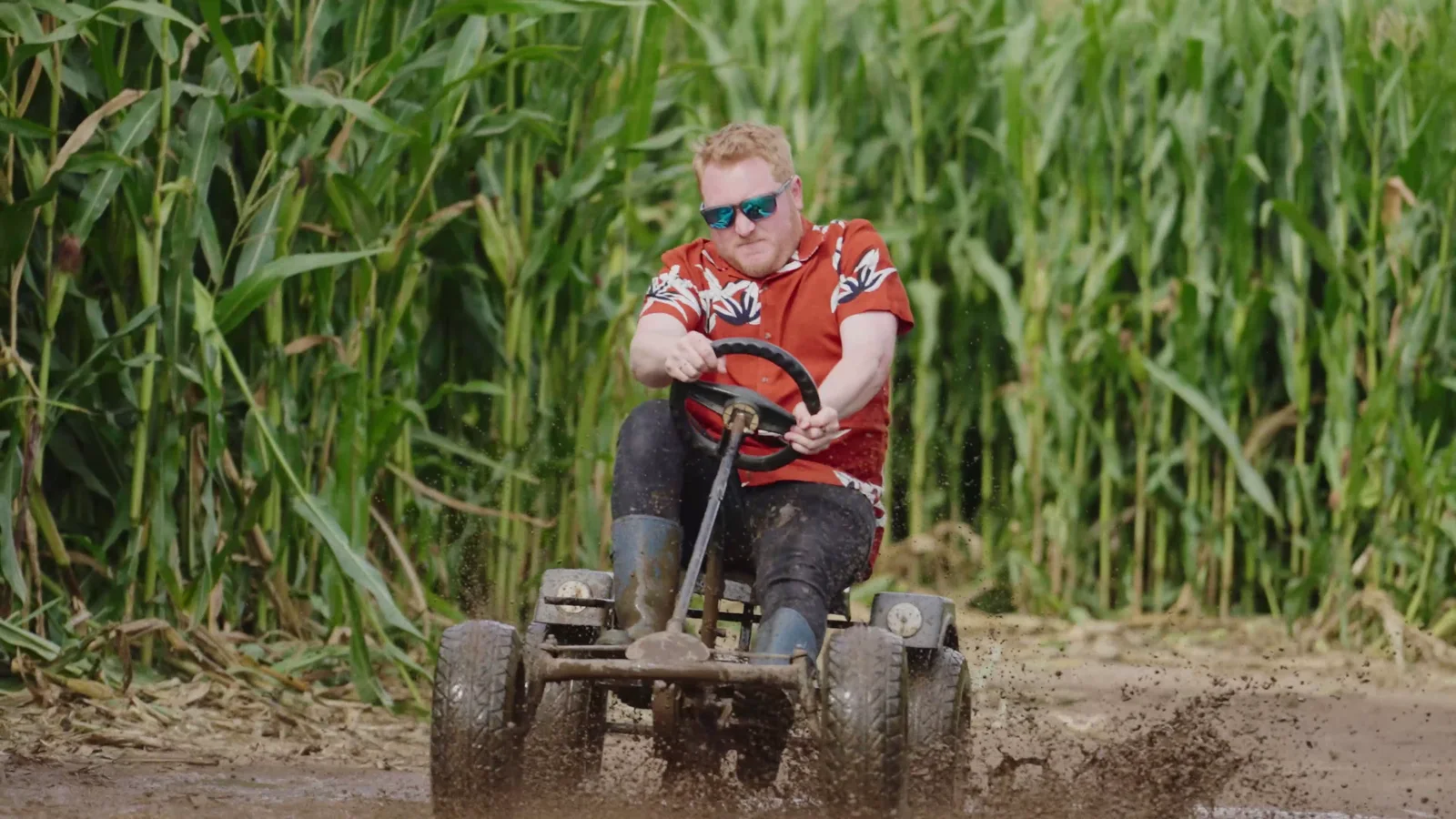
Our Southwold Maize Maze production covered the attraction's activities and setting, with a main promotional film, focused activity edits and a separate film for Old Hall Café & Walks. The different edits allowed distinct parts of the visit to be shown on their own, rather than squeezing everything into one introduction.
The same planning principle applies to event videography. Alongside a record of the day, consider footage for the next event's promotion: recognisable activities, useful speaker moments, attendee reactions and the atmosphere around them. Keep it clear when the footage comes from a previous event, and do not imply that an unconfirmed speaker or attraction will return.

Where will someone watch it?
Decide where the film will appear before the shoot, not after the main edit has been approved.
A website visitor may already be looking into your service and want a fuller explanation. Someone encountering a social post might know nothing about you. A film on an exhibition screen needs to make sense to people walking past. Those situations call for different openings, amounts of information and presentation.
For website use, plan the video alongside the surrounding copy and next step. A product film belongs with relevant product information; a campaign film needs a page that continues the same offer. Our guide to using video on your company website explores those placement decisions in more detail.
For social and advertising versions, agree the intended placements and check their current requirements. Plan suitable framing, readable graphics and captions rather than assuming every landscape shot will crop neatly into a vertical edit. Test the message without sound as well as with it.
There is no single duration to aim for across all these uses. For example, a brief might call for a 15-second reminder for existing customers alongside a one-minute website introduction. Those are illustrative choices, not rules about the ideal length of a promotional video. Keep the material that helps the viewer understand the offer and remove what merely delays it.
Plan the supporting content, not just the main film
A campaign may need more than one finished video. It could benefit from a shorter introduction, a product-specific edit, a different ending for an advert or photographs for the page where the film will appear.
Agree those requirements before filming so the schedule allows for them. A product demonstration may need a wider composition for the website and a separate, closer setup for a vertical clip. A short edit may need its own opening rather than an arbitrary extract from the longer film.
Where still photographs are part of the campaign, plan them properly too. Commissioning product photography alongside video gives you the opportunity to coordinate lighting, backgrounds and styling. Do not assume a frame grabbed from moving footage will meet every photography requirement.
Keep the list realistic. A coordinated set of useful assets is the objective, not the largest possible number of exports. Additional filming setups, photography and edits need to be included in the agreed scope.
Settle the practical details before filming
A useful video production brief should explain the audience, message, intended use, deadline and available budget. Include the practical constraints too: people who need to appear, locations that must be available and products or demonstrations that need preparing.
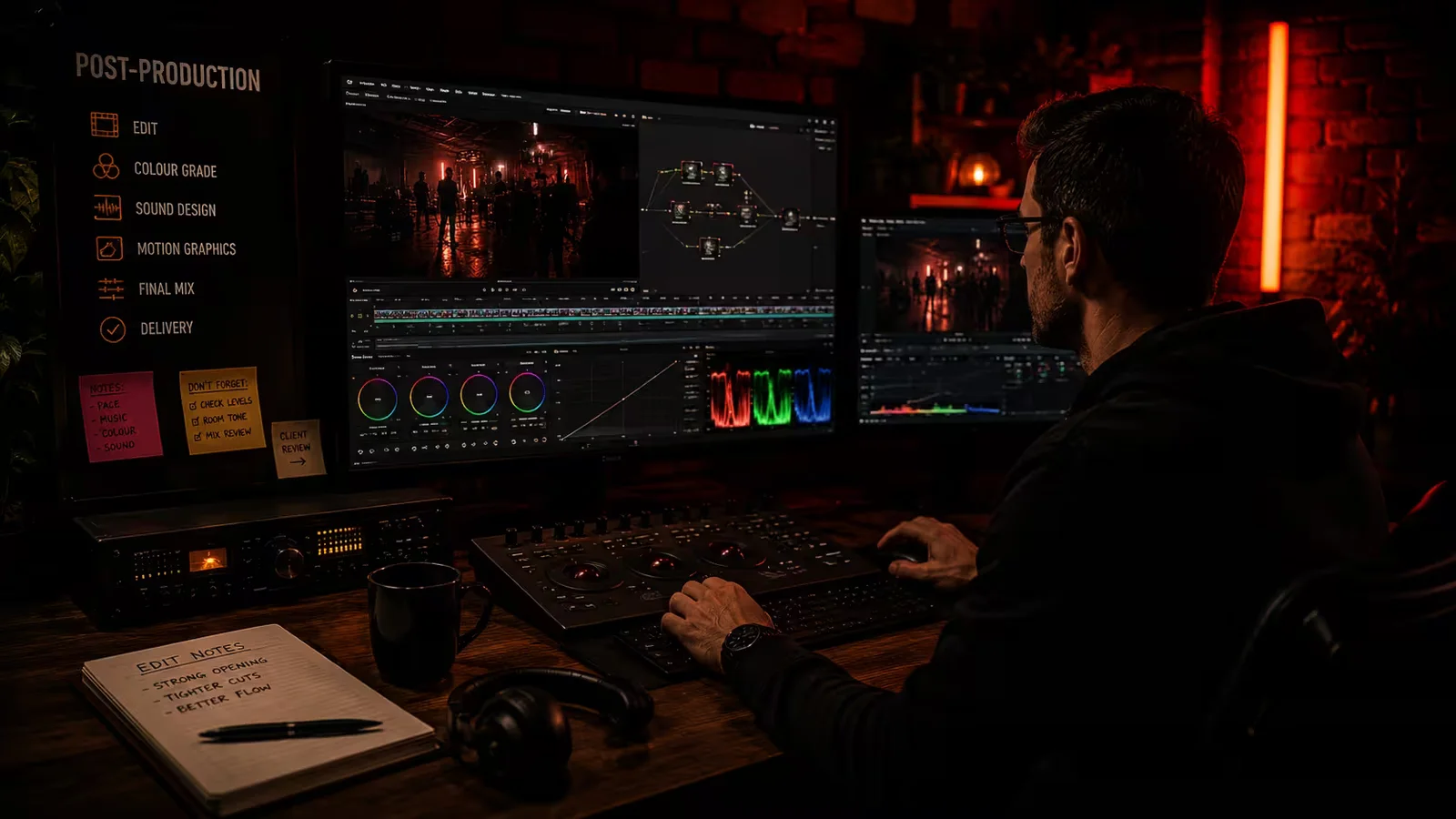
Work backwards from the campaign launch. Leave room for planning, filming, editing and feedback, and identify who will approve the finished content. Gather comments through one point of contact rather than sending the editor contradictory requests from several people.
Check the quotation against the work and finished versions you need, rather than comparing prices by the length of the final film. Our video production pricing gives a starting point for that discussion; the project scope determines the quotation.
Ask which uses are covered by the music, stock material and contributor permissions, especially when the plan includes paid advertising as well as your own website and social posts. Confirm this before approving the creative direction, and keep the relevant records with the project.
Before sign-off, check product names, claims, prices, dates and contact details. Only include a deadline or limited offer when it is genuine. For seasonal campaigns, consider an ending that can be updated separately, so a changed date does not require the whole film to be rebuilt.
Judge the film by the result you needed
Choose the evidence you will review before the campaign goes live. For an event promotion, that might include completed registrations. For a service film, it could be suitable enquiries or consultation bookings. For an introduction to a new product, you might also examine whether people visit the product page and continue exploring it.
Views and watch time can help you investigate attention, but they do not answer every business question. Review them alongside the action you asked people to take. Keep the audience, offer, placement and advertising spend in mind when comparing versions, and avoid assuming that every later sale was caused by the video.
Test the whole route yourself: watch the film on a phone, follow the link and complete the intended journey. Check that the destination explains the same offer and that any booking or enquiry form works. A polished edit still needs somewhere useful to send people.
Finally, give time-sensitive content an end date. When an event passes or an offer changes, update active campaigns and their destinations. Keep the useful footage, approved assets and production notes so the next film can build on what you have learnt.
Already planning a campaign? Send us the offer, the launch date and the places the video needs to run. Those details give us a useful starting point for shaping the idea and working out what to film.