
Planning a Video Shoot in Cambridge: Locations, Logistics and Advice
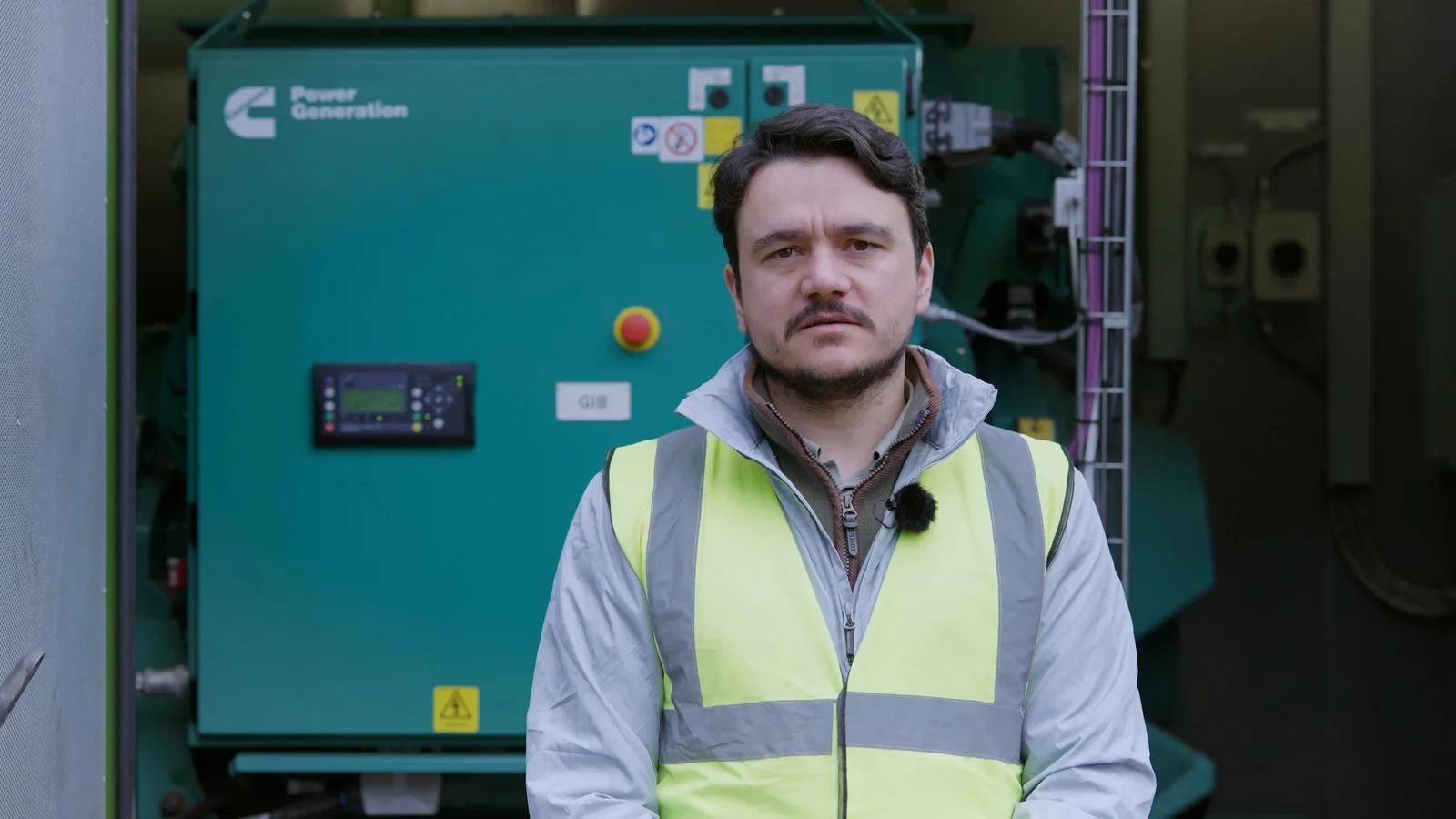
A Cambridge shoot can look straightforward on paper: an interview, some footage of the team at work and a few recognisable shots of the city.
The awkward questions tend to sit between those shots. Where can the crew unload? Who has agreed to the courtyard being used? Is the interview room actually quiet? And does the person with the keys know what time everyone is arriving?
Getting those details right gives you more time for the film itself. Whether you're organising a company video, a university project or conference coverage, here's how to make the location work for the production rather than the other way round.
Start with the film, not the postcard
Before choosing a Cambridge landmark, decide what the audience needs to understand.
For a corporate film, that might mean showing how a business works, introducing its people or explaining a service. A recruitment film needs a sense of the working environment. An expert interview needs a setting that supports the speaker without distracting from what they say.
A few city views can establish where you are. They do not need to carry the whole film. Sometimes the most useful location is your own workplace, with a quieter room for interviews and the interesting activity filmed separately.
Put the essential messages, contributors and finished formats into a brief before building the location list. Our guide to video pre-production explains how those decisions become a workable shoot plan.
Which Cambridge locations make sense for your project?
Your office, workshop or research space
Start with the place where the work actually happens. For company stories and internal communications videos, it gives you something specific to show: colleagues working together, a product being demonstrated or a process that would otherwise need a lengthy explanation.
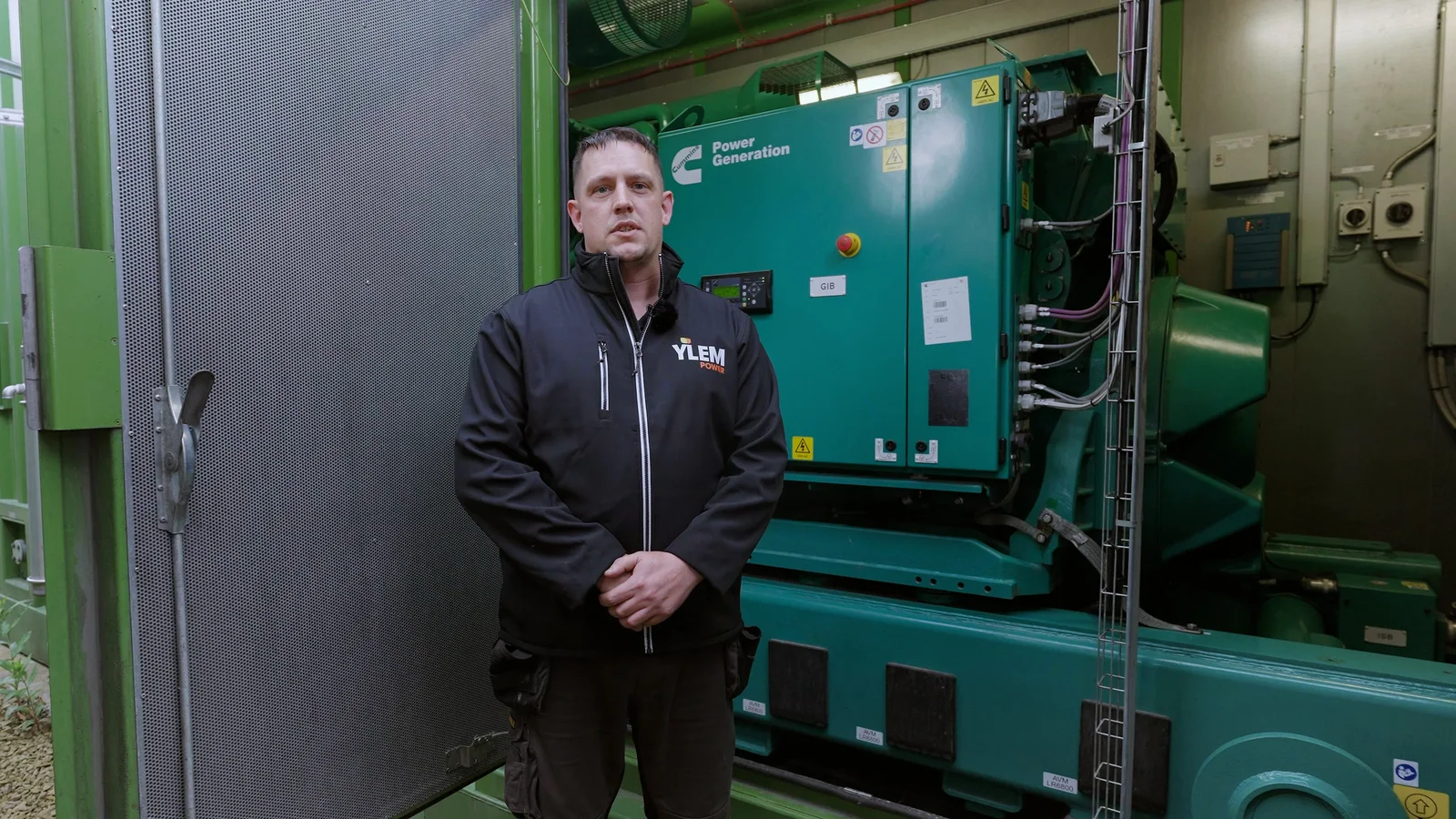
At a laboratory, technology business or shared research site, agree the filming boundaries with your host before drawing up the shot list. Ask about escorts, inductions, protective clothing and restricted areas. Prepare approved demonstration screens rather than hoping confidential information can be blurred afterwards.
Keep the activity truthful, too. An attractive shot is not much use if the people reviewing it say the process is being shown incorrectly.
Colleges and historic buildings
A college room or courtyard might be right for a university-related story, but treat it as a working location, not an available backdrop.
Policies are institution-specific. For example, Gonville & Caius publishes its own filming and recording policy, including approval routes and restrictions around examinations and scheduled events. An invitation from a contributor is not a substitute for confirming the location arrangements.
Ask about the exact room, access times, stands, floor protection, power and any restrictions on showing college branding. Confirm who can approve the production on behalf of the venue.
King's Parade, riverside views and the city centre
Treat these as possible establishing shots: brief views that help the audience understand the setting. Choose each one for its role in the film rather than collecting landmarks for the sake of it.
For a sequence around the Backs or the River Cam, identify the exact filming position and who controls it. Do not assume a path, college lawn and river access point come under the same arrangement. The City Council's filming guidance directs productions filming on the river to the Conservators of the River Cam.
For an important spoken interview, consider recording indoors and using the exterior footage over the conversation instead.
Cambridge University Botanic Garden
The Garden may suit a story involving plants, landscape or the outdoor environment, but check its current photography and filming information before including it in a confirmed schedule.
Its published rules prohibit drones and commercial filming or photography inside the Glasshouse Range. Do not plan the glasshouses as a convenient indoor alternative if the weather turns. Discuss the proposed outdoor shoot and applicable permission arrangements with the Garden first.
There is no single permission for a whole Cambridge shoot
Cambridge City Council says a general filming licence is not required, but asks productions to notify it in advance. Its filming page provides a statement-of-intent route for council-owned land and directs highway filming to the County Council.
For roads, pavements and public rights of way, read Cambridgeshire County Council's highway filming guidance. It gives a contact-by-email route for small crews with minimal disruption and no traffic management; larger productions use an application form. Its published timescales list six weeks without traffic management and 12 weeks with it. Confirm the process and notice required for your particular shoot before fixing the date.
Stopping pedestrians or cyclists can count as traffic management; it is not just about closing a road. Check the required risk assessment and insurance documentation with the relevant authority.
For private interiors and grounds, confirm permission with the person authorised to grant it. Be clear about the crew, equipment, rooms, timings and where the finished footage will be used.
Agree who is handling each approval. The client, venue and production company should not all be assuming someone else has done it. Keep the confirmations and a reachable location contact with the shoot information.
Plan the last few hundred metres, not just the drive
A postcode gets the crew to an area. It does not tell them which gate opens, where the lift is or how far the lighting cases need to be carried.
Cambridge's historic centre has vehicle-access and loading restrictions, including controlled streets and a barrier on King's Parade. Check the County Council's city-centre access guidance and the venue's instructions rather than relying on a navigation app. Permission to unload is not permission to leave the vehicle there for the day.
Ask the host for the actual entrance, a loading arrangement, parking instructions and a contact number. Check stairs, lifts and accessible routes for contributors as well as equipment.
Then match the crew and filming setup to the job. A compact interview production and a multi-camera event have different requirements; neither benefits from discovering the access problems on arrival.
Choose the interview room with your ears as well as your eyes
During a location check, stop talking for a minute and listen.
Can you hear a ventilation system? Does every corridor conversation carry into the room? Is the space beside a delivery entrance, coffee machine or busy reception? Try the room at a similar time to the planned recording, rather than judging it from a quiet evening visit.
A practical approach is to reserve a controlled room for interview filming and use the more visually interesting parts of the building for supporting footage. Book the room for setup and pack-down as well as the interviews.
Do not turn off essential ventilation or equipment without the site's approval. Move the interview or change its timing when necessary.
Our guide to professional audio in video production explains why recording clear speech at source matters. Editing can improve a recording, but it is not a sensible substitute for a suitable room.
Build the day around people and access
A good schedule is not a list of shots with optimistic times beside them. It needs to account for the people, rooms and activities that cannot easily move.
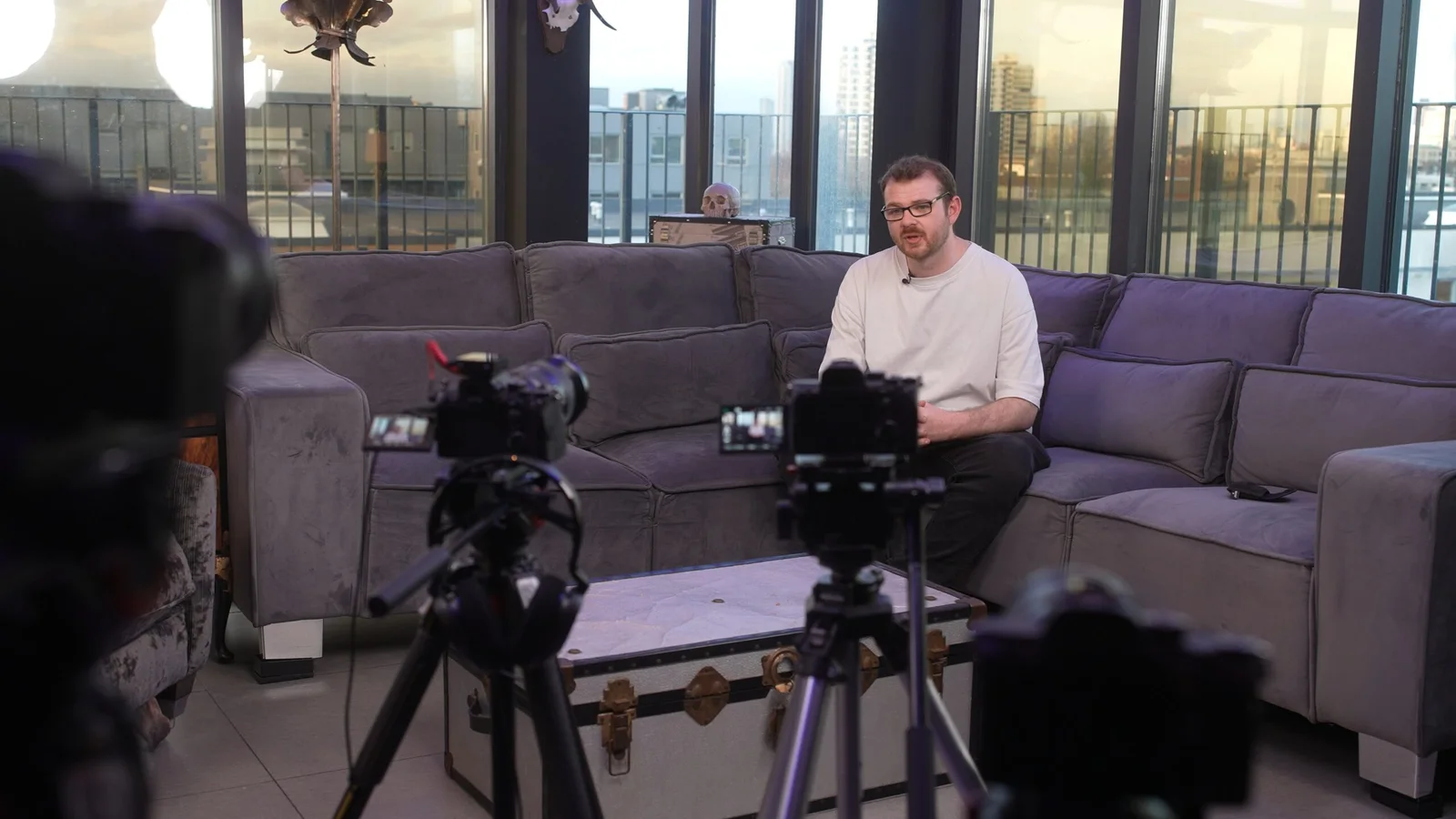
Start with the fixed commitments: a speaker's availability, a demonstration, a room booking or an event session. Put setup, sound checks and contributor preparation before the recording slot, not inside the time someone thought they were needed on camera.
For an interview-led business film, a sensible starting sequence is to set up one interview room, record the available contributors, then capture the work and details their answers refer to. Arrange a separate window for exterior views. That is a planning example, not a fixed timetable; the brief and access arrangements should decide the order.
Give contributors the purpose of the film and a few useful themes in advance. A founder explaining a business and a customer describing their experience need different prompts, as our guide to interviews and testimonial videos explains. They do not necessarily need paragraphs to memorise.
For conference filming, share the running order and introduce the production team to the venue's audio-visual contact. For wider event coverage, identify the unrepeatable moments and any activities happening simultaneously.
Book photography explicitly when you need stills too. Put portraits, group photographs and website imagery into the plan rather than treating them as an extra that will somehow happen between interviews.
Keep one usable set of shoot details
The call sheet is simply the practical information everyone needs on the day. It does not need to be elaborate, but it should answer these questions:
| Detail | What to confirm |
|---|---|
| Arrival | Exact entrance, access window, loading point and parking arrangements |
| People | On-site contact, contributors, availability and any access needs |
| Spaces | Approved rooms and outdoor positions, including setup and pack-down time |
| Priorities | Essential recordings, useful supporting shots and what can be dropped |
| Changes | Weather alternative, backup room and who can authorise a revised plan |
When choosing a production company, ask how it will work through these details with you, not just which camera it will bring.
Keep weather and drone shots from holding the film hostage
Decide what happens if the outdoor part of the plan cannot go ahead.
For an interview-led project, that might mean keeping the main conversation indoors and moving exterior shots to another available window. For an outdoor demonstration, it could mean an agreed alternative date. Confirm any cost implications of postponing before the shoot.
Try to keep connected scenes visually consistent when the conditions change. Colour grading can help match footage, but it cannot make a wet, windy scene behave like a sunny one.
Treat drone filming as a separately assessed part of the production, not an automatic addition. The operator needs to assess the aircraft, site, people, weather and airspace. The CAA's airspace guidance explains that flying within an airport or airfield Flight Restriction Zone requires permission from the relevant site. That is separate from arranging access to the take-off location.
Agree a useful ground-level alternative rather than making an unconfirmed aerial shot essential to the story.
Budget for the whole job, including what happens afterwards
The number of hours filming is only part of the brief. Make room for planning, location arrangements, travel, parking and any additional people or equipment the job needs.
Then define the finished work. One company film, several social edits and a complete conference recording are different deliverables. Give the editor the intended formats, approved names and job titles, brand assets and any technical wording that must be checked.
Agree who reviews the first cut and allow time for that review before your launch date. Our post-production guide explains what happens between recording the footage and delivering the finished film.
You can use our production pricing as a starting point, while the videographer cost guide and calculator show how filming and editing contribute to a budget. Neither replaces checking the locations and scope of your particular project.
When the budget is tight, simplify the brief before squeezing every activity into less time. One well-prepared location with the right people may give you more useful material than a day spent moving between several backgrounds.
Tell us where the shoot needs to happen
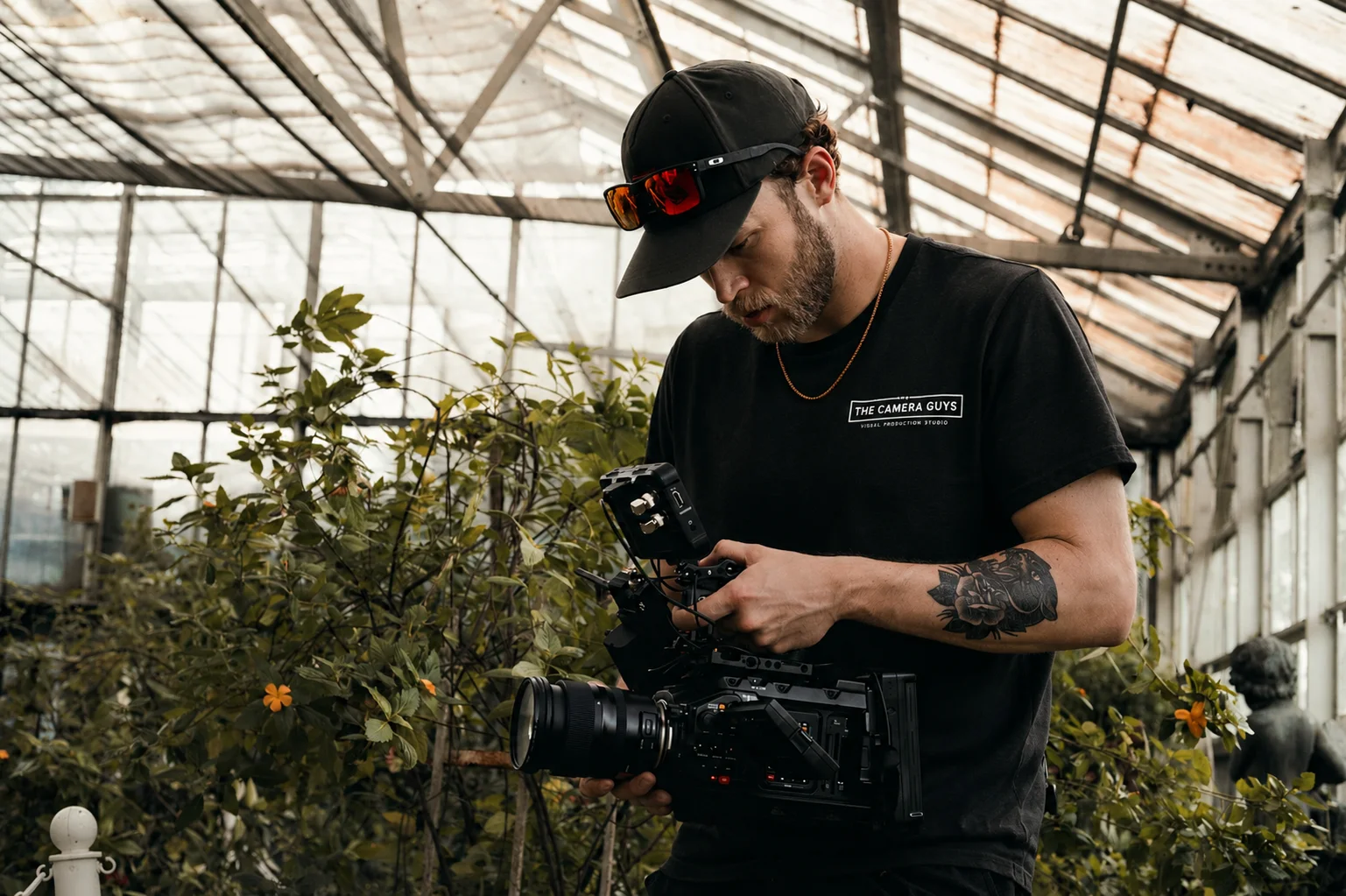
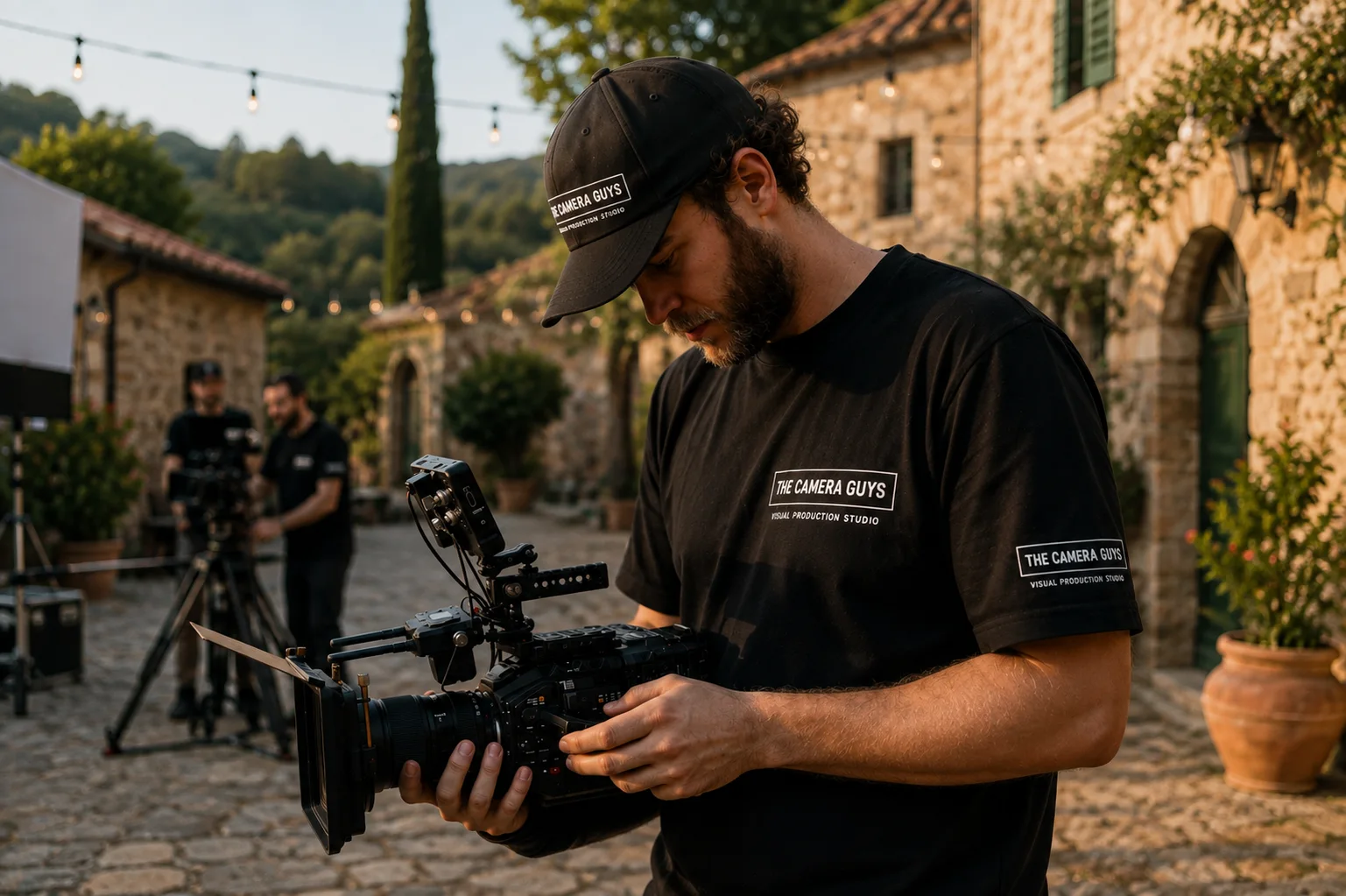
The Camera Guys works across Cambridge and Cambridgeshire as part of our wider production coverage.
Send the proposed location, the people or activity you need filmed, your preferred date and where the finished video will be used. Include your budget and anything already known about access or approvals. Photographs of the space are useful, even when the plan is still taking shape.
You do not need to solve every production detail before talking to us about a Cambridge shoot. Start with what you need the film to do, and we can work through the practicalities with you.