Professional Headshots: Studio vs Environmental Portraits
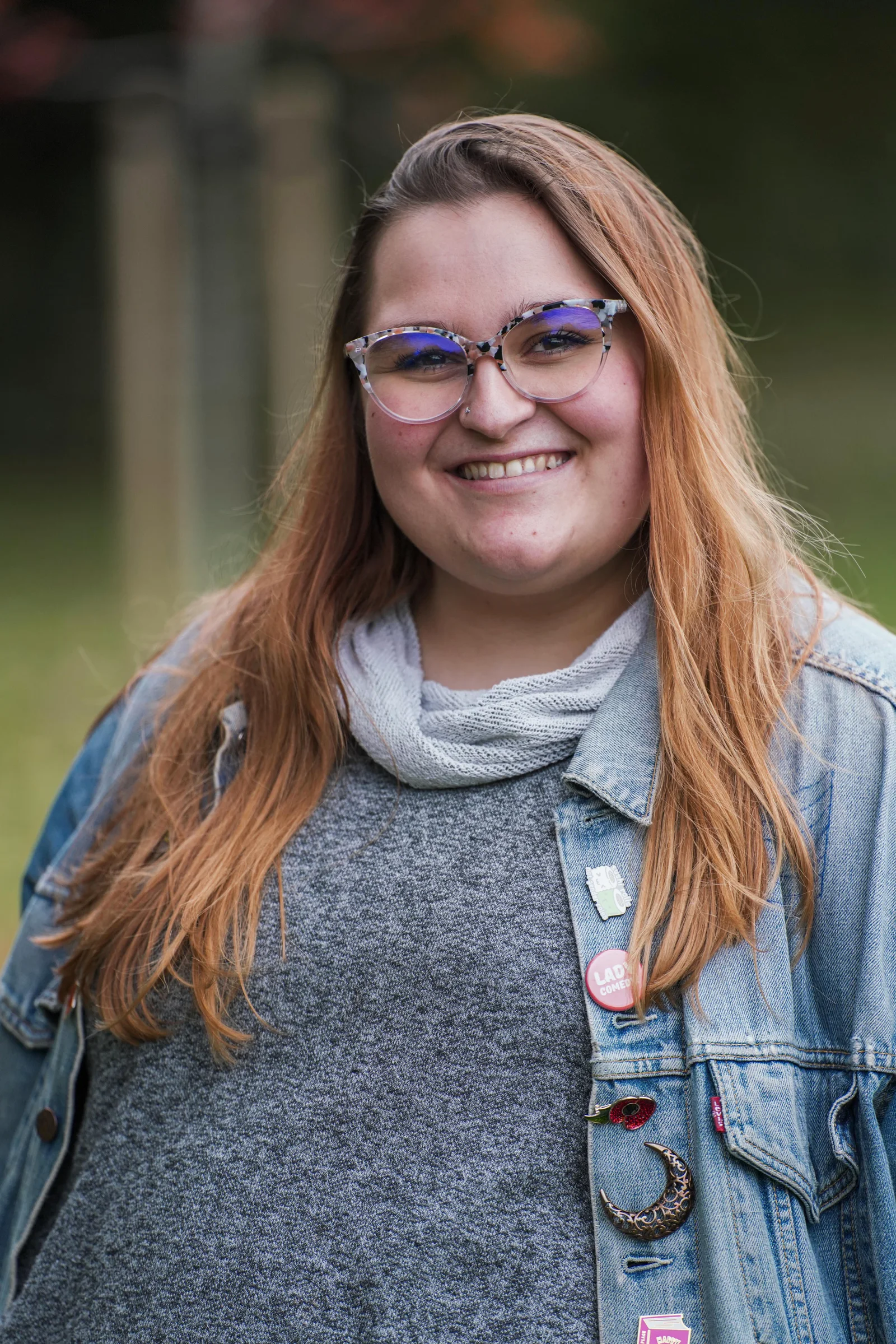
Put a portrait inside a small team-page circle and most of the room around it disappears. Give a wider version space in a brochure and that room might help explain the person's work.
The setting matters, but so does what you intend to do with the photograph. Before deciding between studio headshots and environmental portraits, look at the places the images need to fit.
Studio-style headshots keep the background simple and controlled. Environmental portraits include a meaningful setting, such as a workplace, workshop or venue. Neither is automatically more professional, and neither has to feel stiff.
For a business booking professional headshot photography, the choice usually comes down to how much context you need, how consistent the team should look and what is practical to photograph. Sometimes the most useful answer is a mixture.
A studio look does not require a studio address
A studio-style headshot is about the setup, not necessarily the building. A portable backdrop and lighting can turn a suitable room at your workplace into a portrait space, without sending everyone to a separate studio.
The background might be white, grey, dark or a colour chosen to work with your branding. The important point is that it does not compete with the person.
That simplicity leaves room for expression. A relaxed smile against a grey background can feel far more approachable than a stiff pose in an attractive office. Plain does not have to mean passport-photo serious.
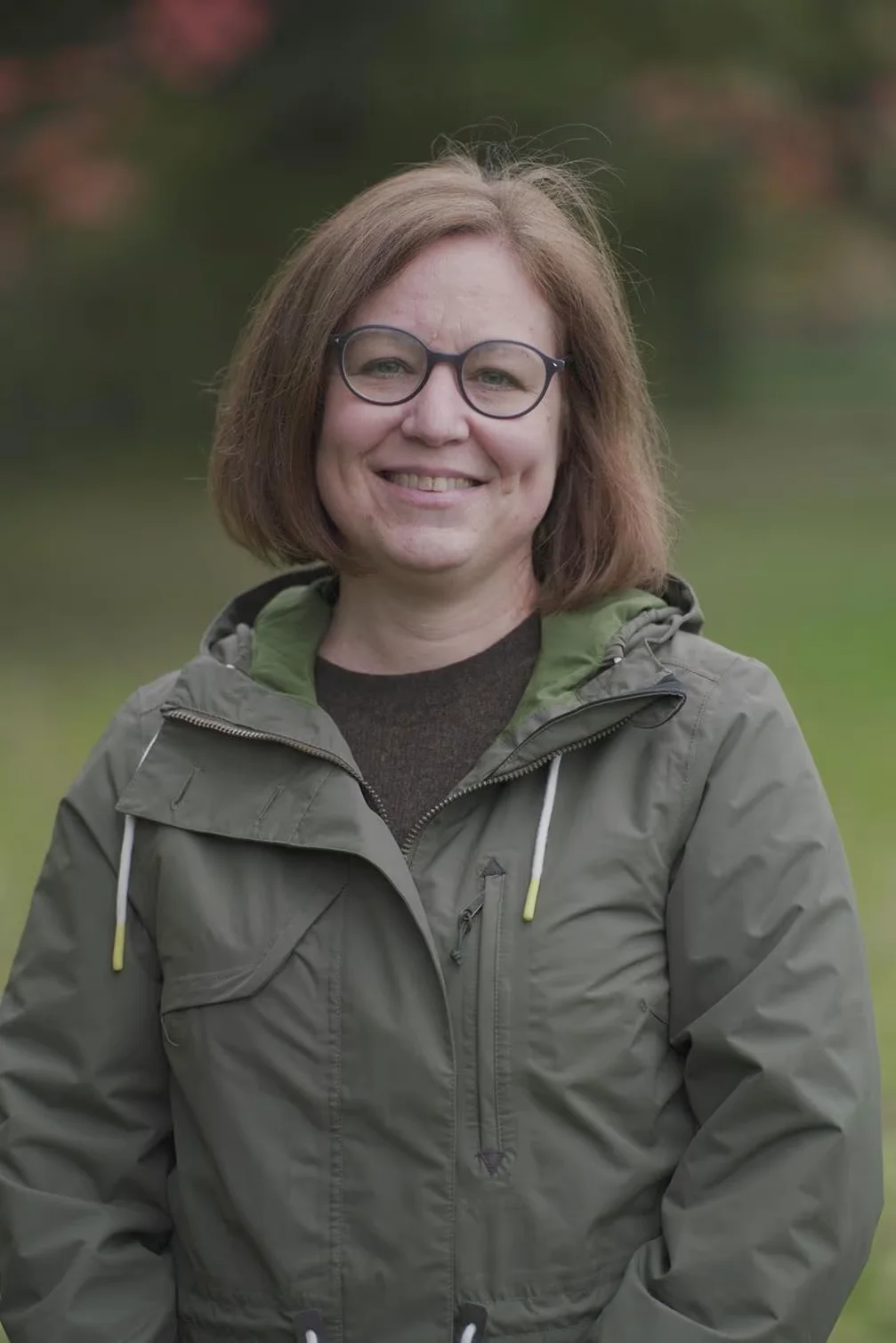
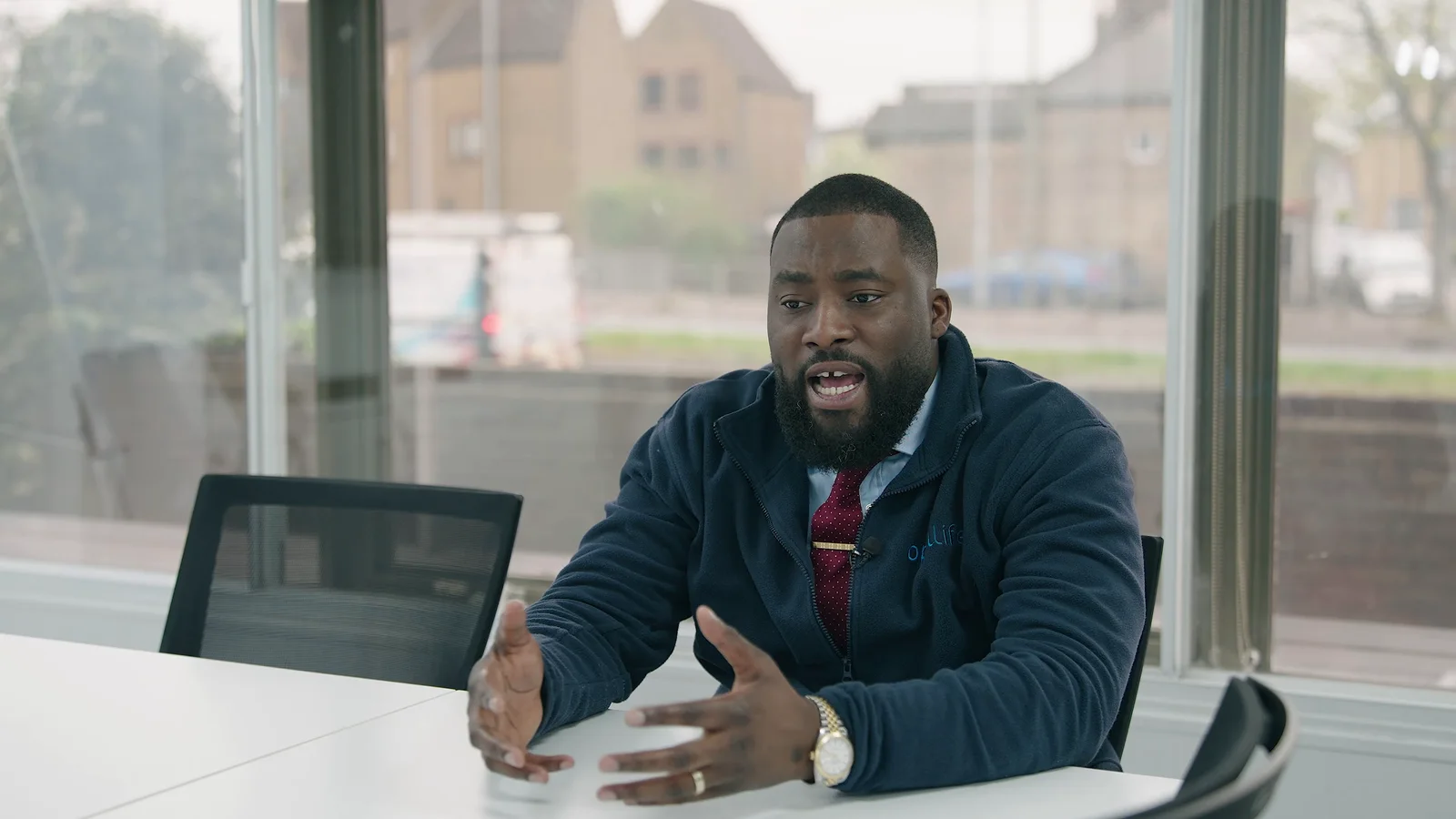
An environmental portrait takes a different approach: the surroundings are part of the picture. A furniture maker beside a workbench or a restaurant owner in the dining room gives the viewer something to understand beyond a name and job title.
It does not have to be outdoors, and it does not mean the photographer simply catches someone at their desk. The lighting, framing and direction can be just as deliberate as they are in a studio.
Nor does every office background add something useful. A blurred plant and a glass partition might look pleasant without saying much about the business. Choose the setting because it contributes, not because it is available.
There is a similar distinction in commercial and lifestyle photography: a natural-looking picture can still be carefully planned.


Let the finished page make the first decision
Before collecting reference pictures, open your actual website. Look at the size and shape of the photographs, not just the overall design.
A small staff directory needs recognisable faces. A founder's profile can give a portrait more room. A recruitment page might need photographs that show where people work and what the place feels like.
These are useful starting points, rather than rules:
| Where the photograph will appear | A sensible direction |
|---|---|
| A team grid with small, matching portraits | A simple background, consistent head size and similar framing. This can be studio-style or a restrained real setting. |
| An individual profile or speaker biography | A clear head-and-shoulders portrait that still reads well when displayed small. |
| A founder story or magazine feature | A wider environmental portrait, particularly when the location explains something about the person. |
| A recruitment or workplace page | Environmental portraits alongside photographs of the team doing relevant work. |
| Several of these places | A close portrait and a deliberately composed wider version, rather than one image forced into every layout. |
Imagine a portrait with someone standing beside equipment that explains their role. Crop it tightly around their face and the equipment disappears. Leave it wide in a tiny profile tile and the person becomes difficult to see. Neither problem means the photograph was badly taken; it was simply made for a different use.
Share screenshots or design layouts with the photographer. Our guide to photography for LinkedIn, websites and marketing explores how to plan those different uses without creating an unrelated collection of images.
What changes on the day?
For a larger team, a single portrait station gives the schedule a clear centre. Once the background and lighting are ready, people come to the same place. Adjustments still need to be made for each person, but the whole setup does not move with every appointment.
The room needs to work for photography as well as appearing on the office booking system. A conference table that cannot be moved, a very low ceiling or constant traffic through the doorway may limit what is possible. Send photographs of the room and its approximate dimensions before promising it will be suitable.
Environmental portraits can also share one location. You do not have to photograph every employee at a different desk.
However, moving between a reception area, workshop and outdoor space changes the job. Each location needs its own assessment of light, background, access and where people can stand. A short walk between rooms is not the only time to allow.
Prepare the setting without stripping away all evidence of work. Put away confidential paperwork, check what is visible on screens and remove the temporary clutter that has nothing to do with the photograph. Keep useful tools, materials or features that explain the place.
For a more detailed preparation list, use our guide to getting your workplace ready for a corporate photography shoot.
Outdoor portraits need an agreed alternative when the weather does not cooperate. Even indoors, a busy shared space may be less practical than a quieter room that initially looks less impressive. Choosing and shaping that space is part of what a corporate photographer does, not a decision the client has to solve alone.
A familiar office is not automatically a comfortable setting
Some people like being photographed where they work. Others would much rather step into a quiet room than have colleagues watch from nearby desks.
Do not choose an environmental setup on the assumption that everyone will instantly relax. Equally, do not rule out studio-style portraits because somebody dislikes the idea of posing. The way the session is handled matters whichever background you choose.
Explain what the photographs are for, give people a clear appointment and avoid turning the shoot into an audience event. Let anyone with access needs or concerns raise them privately beforehand.
The photographer should give manageable instructions: where to sit or stand, where to look and what to do next. Nobody needs to arrive knowing how to pose. Our advice on better staff photographs without awkward posing goes into the people side of the session.
Clothing should fit the person, their role and the setting. An employee does not need a borrowed jacket simply because the background is plain. Share the intended level of formality and background colour, then let people choose appropriate clothes they feel comfortable wearing.
Using both can make more sense than choosing a winner
A team directory and a story about the business do not have to use identical photographs. They need to feel related, but they have different jobs.
For example, a design practice could photograph everyone against the same simple background for its team page. It could then make wider portraits of project leads with drawings, models or completed work for individual features. That is an illustrative brief, not a requirement to give every person two separate shoots.
Keep the colour treatment and overall feel connected. Agree how formal the portraits should be and avoid treating the environmental set as an entirely different brand. Consistency can come from lighting, framing and editing as well as the background itself.
The important practical point is to put both sets in the brief. A few wider portraits may need another location, more time with particular people and additional finished images. They should not be left as a last-minute request once everyone has returned to work.
A real example: staff portraits within the Hive Kids shoot
Our Hive Kids photography and video project included staff headshots for the website alongside camp activity photography, films and interviews. A photographer and a videographer attended the full-day booking, and the published project includes outdoor staff portraits.
The portraits introduced the people; the activity photographs showed the camp in action. One type did not make the other unnecessary.
That project was not a studio-versus-location comparison. It is a useful example of making room for portraits within a broader website brief, rather than assuming photographs of people working will also cover the team page. The behind-the-scenes Hive Kids article explains how those different content needs fitted together.

Think about the next employee, not just the current team
A portrait style needs to survive beyond its first shoot, particularly when you are regularly adding people to the website.
A plain backdrop gives you fewer background details to match. An environmental setup may depend on a particular room, furniture arrangement or view. That does not make it unsuitable; it gives you more to record and preserve.
Keep an approved reference portrait and notes on the background, lighting, camera position, crop and finishing. Save an example of how the image appears on the actual website, too. A new photograph can look close in isolation but noticeably different beside the existing set.
Exact matches are not always possible, so agree which features matter most. Matching head size and background treatment may be more useful than trying to reproduce every tiny detail.
Build missed appointments and future updates into your company headshot-day plan, rather than discovering the problem when the first new starter needs a photograph.
Compare the finished photographs, not just the session price
Neither style is automatically the cheaper choice.
A single environmental setup for a few people may be straightforward. Several different workplace portraits may require more preparation and lighting changes. A studio-style session may involve room or studio hire, but one repeatable setup can suit a team photographed in sequence.
Ask for the proposed location, number of people, portrait variations and finished-image delivery to be clear in the quote. Confirm who chooses the photographs and what level of retouching is included.
Also separate photographs from file versions. A square crop and a landscape crop of one portrait are useful deliverables, but they are not two different expressions or poses. Our guide to how many photographs to expect from a professional shoot explains that distinction.
At The Camera Guys, photography is currently £249 for the first hour and £99 for each additional consecutive hour, per photographer. Booked time includes the agreed on-location setup. Travel, studio hire where needed and other agreed extras are separate. Detailed retouching is £49 per hour, with the scope agreed first; the current pricing page sets out the terms.
Those are booking rates, not a promise to photograph a fixed number of employees in an hour. The professional photography cost guide explains what can change the total.
When comparing photographers, ask to see a relevant set of portraits, not just one impressive photograph. Look at whether the people feel comfortable and whether the images work together. Those are useful questions to take into choosing a commercial photographer.
So which should you book?
For a team directory that needs to stay consistent as the business grows, start by considering a simple, repeatable setup. It could be a portable studio background or a carefully chosen part of your workplace.
For portraits where the setting helps explain someone's work, give that environment room in the photograph. Plan a tighter alternative when the same person also needs a small profile image.
And when the website needs both, ask for both. There is no need to make a staff directory carry the whole story of your business.
We provide photography for individuals and business teams at workplaces and other agreed locations. Send us the pages the images will appear on, the number of people and a few photographs of the available space. That gives us something useful to work from, even when you have not settled on a style.
Talk through your headshot plans with The Camera Guys.