
Sports Videography: How Professional Sports Videos Are Filmed
A beautiful close-up can be the wrong shot.
It might show the strain on a runner's face while leaving the finish line out of frame. Or follow a rugby player so tightly that the pass disappears off screen.
Good sports videography means knowing when to get closer, when to hold back and what else the viewer needs to see. The best decisions often happen before the camera starts recording: what the film is for, where the crew can stand and which moments take priority.
Here is how those decisions shape the footage, from a live match to a planned day filming a club's activities.
A match recording and a club promotion are different jobs
For a full match recording, the viewer needs to follow the contest. That means keeping the play readable and maintaining coverage through moments that might not look particularly exciting in isolation. A coach reviewing team positioning may need a wider view than a supporter watching the highlights.
A promotional film has more freedom. It can bring together action, preparation, supporters and interviews to show what belonging to a club or attending an event feels like. It does not necessarily need every phase of play, but it does need enough context to avoid becoming a collection of unrelated tackles, jumps and celebrations.
An athlete profile needs something else again: time with the person. Training footage can show the work, while a conversation explains why it matters to them.
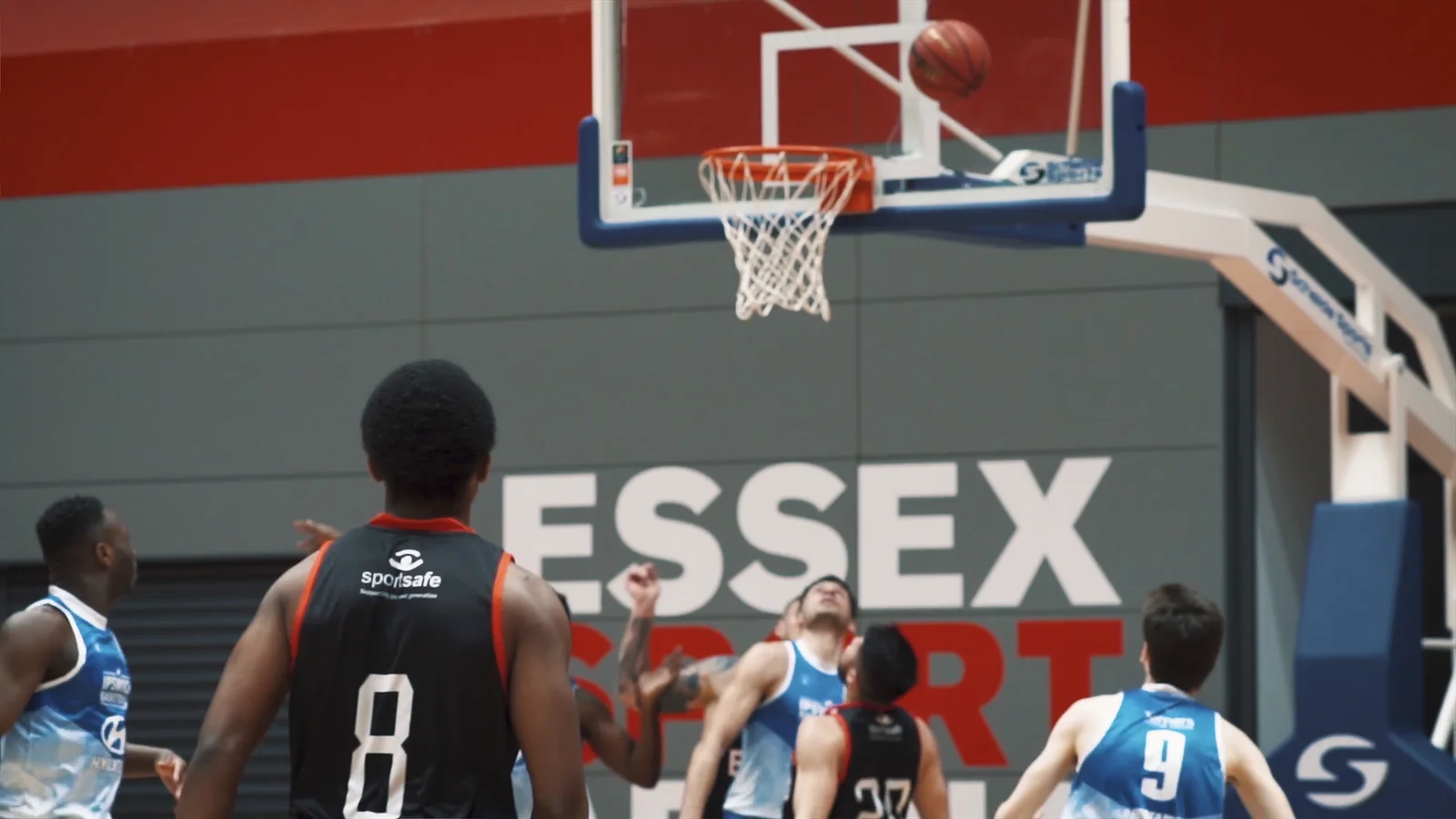
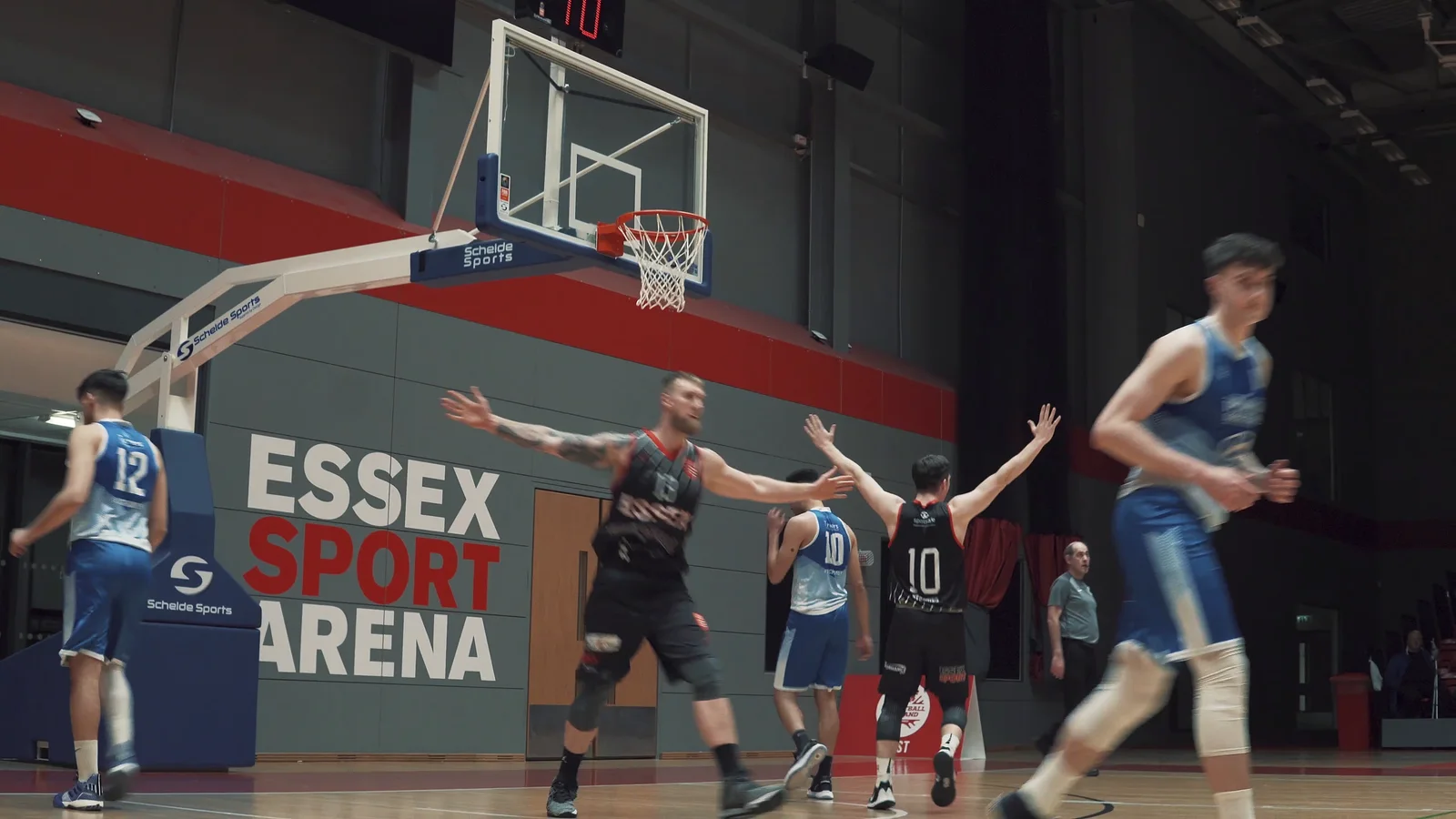
For our Essex Rebels match-day film, recorded in 2019, the brief included the experience around the basketball. Alongside the women's and men's games, we filmed arrivals, family activities and the mascot meeting young supporters. Those pictures helped introduce the day to people who might never have attended a match.
That is a different assignment from recording both games in full. Neither approach is better in itself; they serve different audiences.
Put the intended result in the video production brief. Where an event also needs sponsor coverage, interviews or a livestream, our event videography guide explains how to separate those requirements before booking the crew.
Choose the position before choosing the lens
The first conversation with the organiser should establish where filming is allowed, not just where the venue is.
Can the crew work beside the pitch? Is there an approved elevated position? Will spectators stand in front of it? Are there restrictions on tripods, movement during play or access to particular areas? Confirm accreditation, arrival arrangements and who can resolve access questions on the day.
Then look at how the sport moves. A finish-line position may be excellent for the end of a race and poor for everything leading up to it. At a tournament, the teams you need could be playing on opposite sides of the site.
A longer lens helps frame distant action, but it cannot see through a referee or compensate for being on the wrong court. Leave room for players to change direction and for the ball to travel. When cutting between cameras, consider whether the change of angle will make the direction of play confusing.
For continuous coverage, give each camera a clear job. One might maintain a wider view of the play while another follows tighter action and reactions. Two cameras pointed at the same thing from almost the same position offer less protection than two complementary views. For long-lens coverage, use support that lets the operator pan smoothly rather than fighting an unstable handheld image.
Outdoor fixtures also need a plan for rain, changing light and safe routes between positions. Allow enough batteries and recording media for delays, and organise changes during breaks rather than waiting for a camera to stop. Plan how footage will be copied and checked before cards are reused. The organiser's decision to suspend play or close an area takes priority over the shot list.
Extra cameras are not the same as extra operators
A single videographer can run more than one camera in suitable circumstances, but an unattended wide camera is not another person following the action. It still needs a safe position, enough recording capacity and an appropriate view.
Two matches happening at once, several moving viewpoints or interviews during play may need additional crew. Decide which coverage must continue uninterrupted before asking one person to move elsewhere.
The same applies to photography alongside the video. A quiet training session may allow time for both. During an unrepeatable winning moment, dedicated photographs and continuous video are competing tasks. Plan the people around the coverage rather than assuming a camera that does both means one operator can capture everything.
Film the build-up, the action and what happens next
A usable sequence gives the editor somewhere to enter and somewhere to leave.
For a penalty, that might mean the setup, the kick, the result and the reaction. For a climbing session, it could be the route, a difficult move and the climber recovering afterwards. A close-up of effort has more meaning when the viewer understands the challenge.
Keep recording beyond the apparent end of a moment. A teammate's response or a coach watching from the sideline may be the most useful part. At the same time, do not abandon essential match coverage to collect a nice reaction shot unless another camera is protecting the play.
Look for details specific to the organisation: the arrival routine, volunteers setting up, a familiar supporter, team colours, a coach encouraging a newcomer. These help the film belong to that club rather than any club playing the same sport.
A planned content day gives you different opportunities
Training and promotional sessions can allow a more deliberate approach. You can agree a shooting order, find suitable light and capture a demonstration from several angles without interrupting competition. Any repeat should be safe, agreed with the coach or participant and appropriate to their workload.
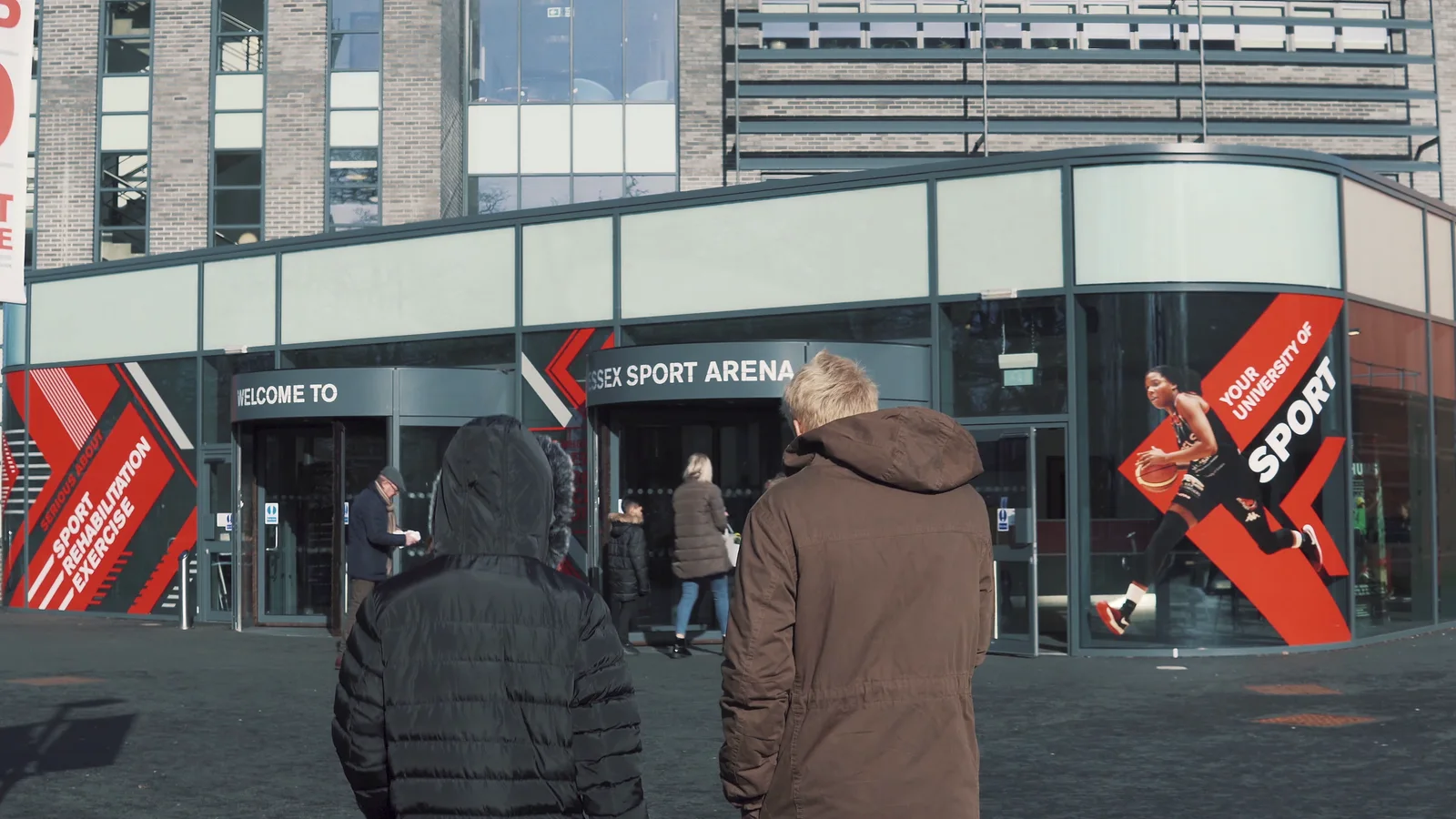
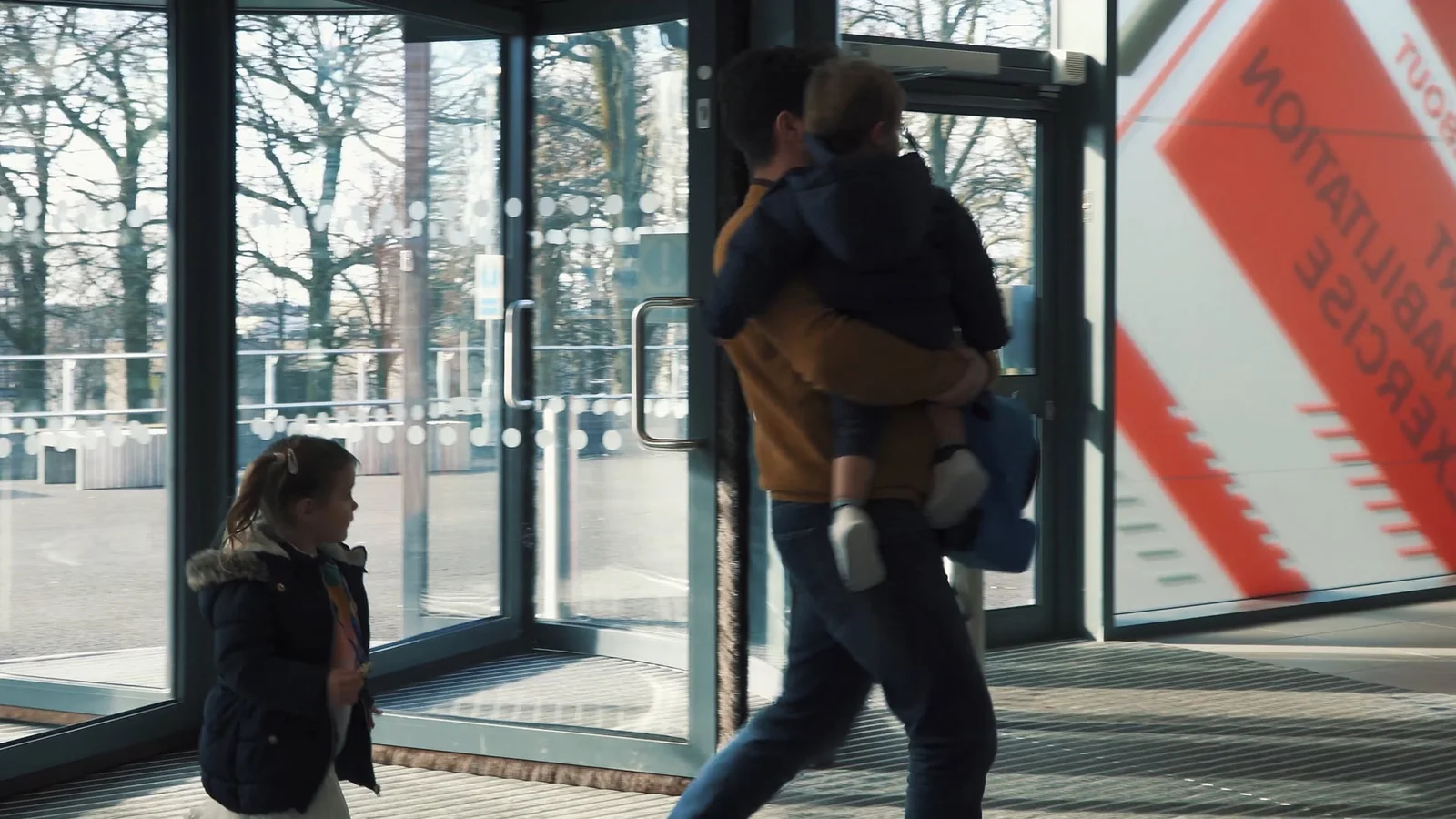
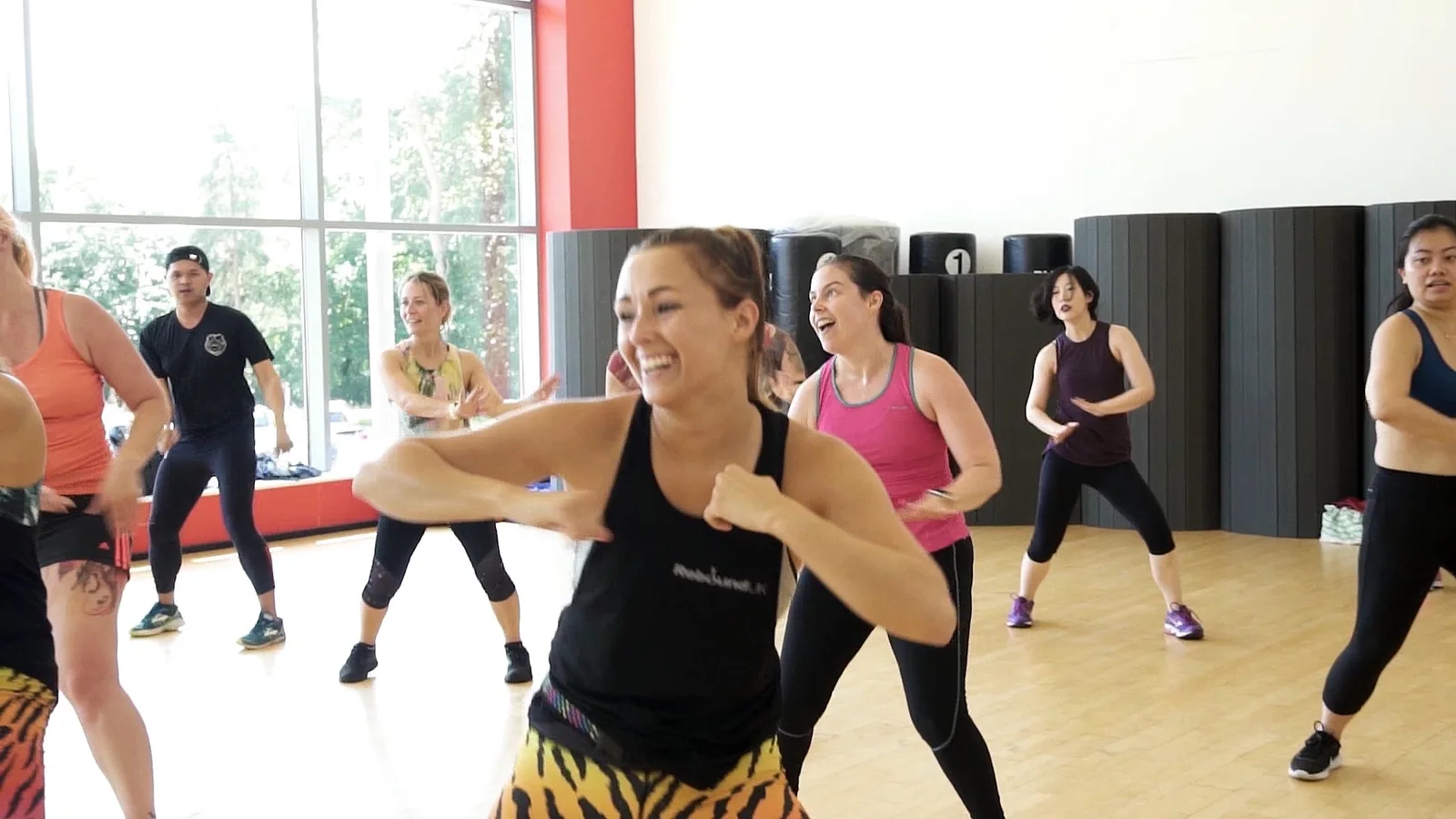
Our Essex Sport production at the University of Essex included separate promotional films for 20 sports and fitness activities. The first filming day followed a tightly organised route across campus, collecting the setting, action, expressions and distinctive details of each activity. The wider project also involved a later gym-induction shoot and separate finals coverage.
The useful lesson is the repeatable coverage, not a promise that every shoot can fit in 20 activities. Our article on filming 20 sports videos in one day goes further into that schedule and how the material became individual films.
Slow motion should reveal something
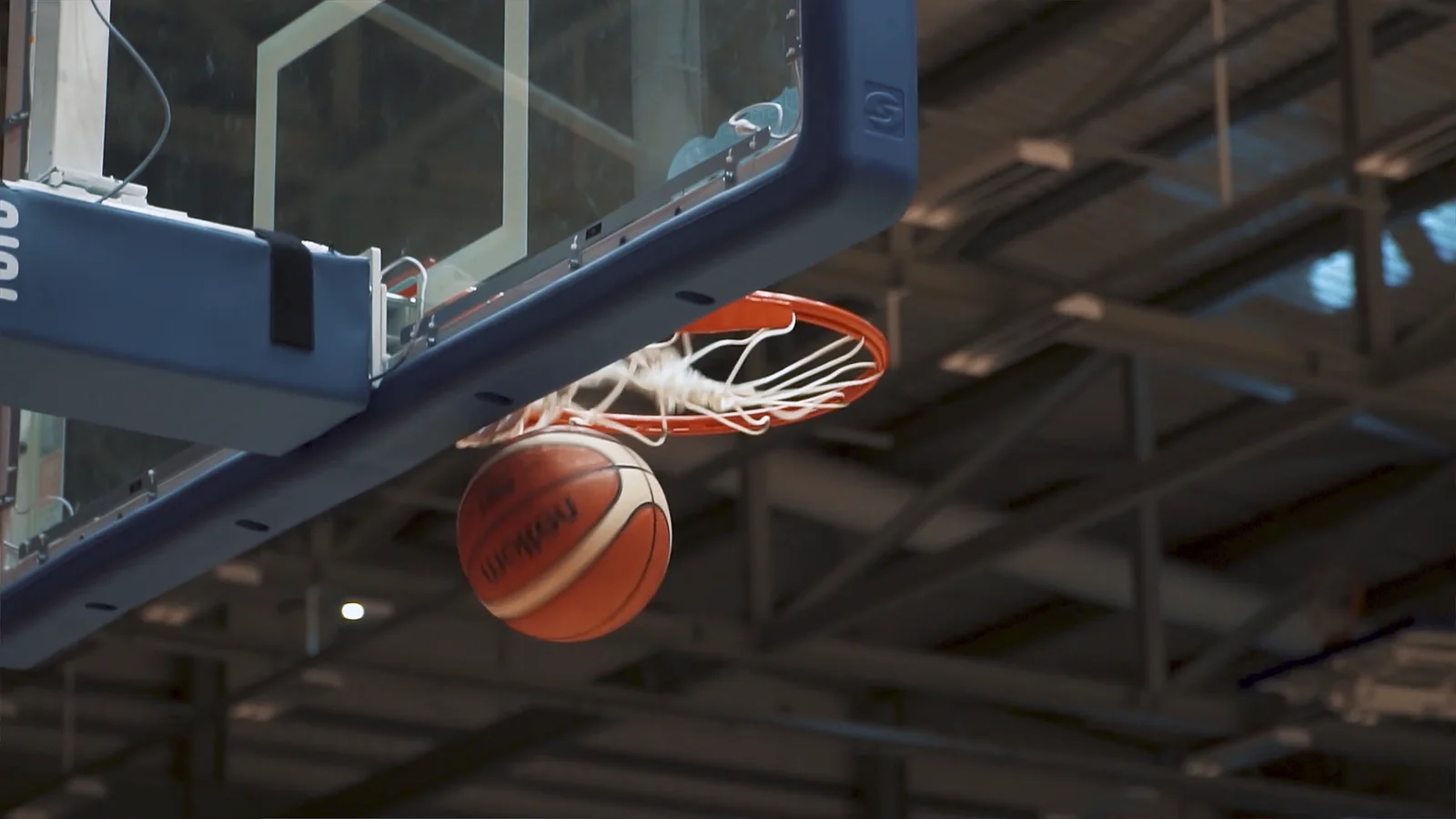
Slow motion can show a change of direction, a controlled movement or the effort behind a jump. It can also make a genuinely fast sport feel surprisingly slow when it is used for almost every shot.
We would normally think about the role of the shot first. Is the viewer meant to appreciate technique, understand the speed of play or stay with someone's reaction? A mixture of real-time footage and selected slow motion gives the edit more options.
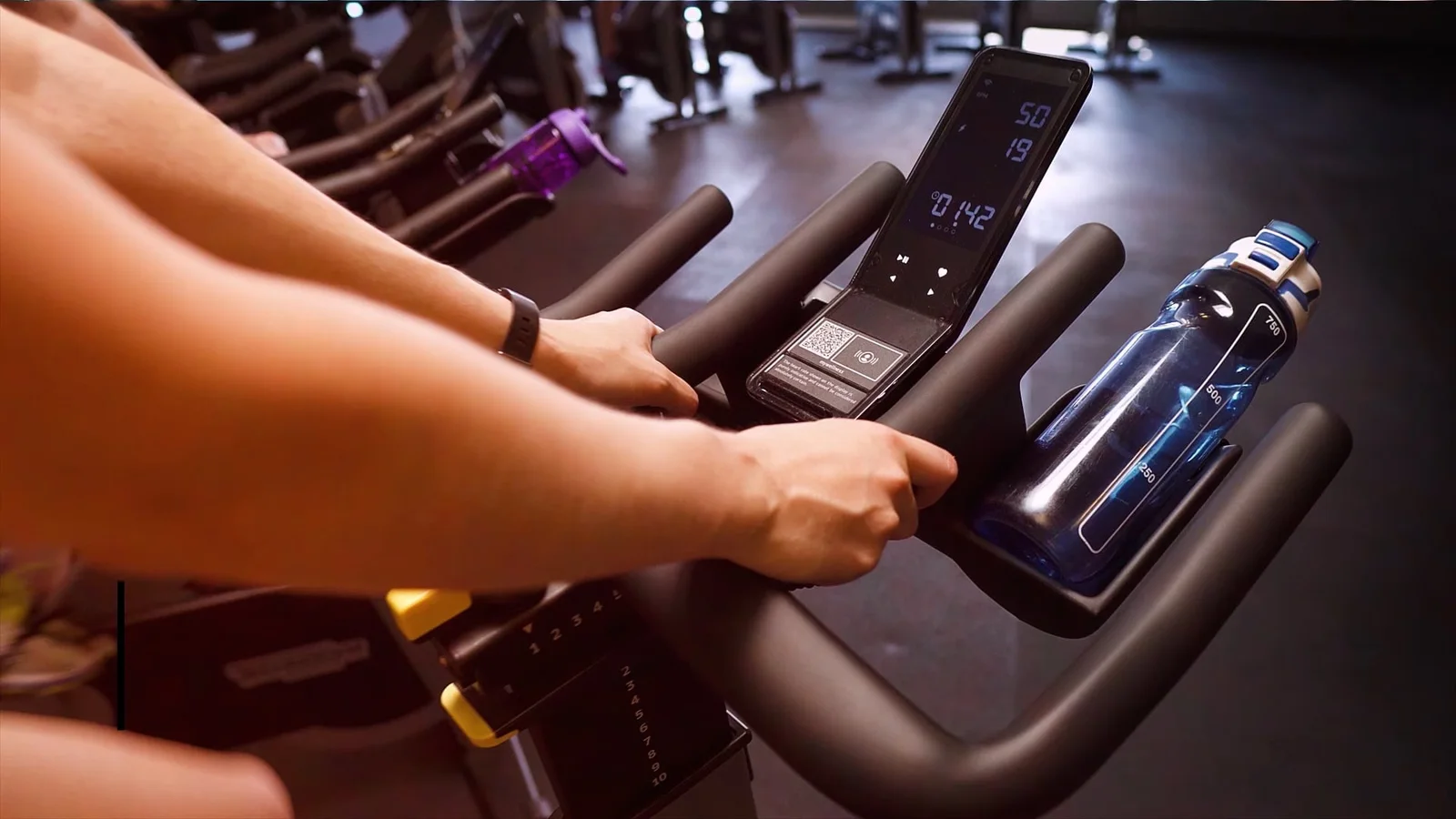
The numbers are straightforward. Footage captured at 50 frames per second can play at half-speed in a 25-frame-per-second edit, using every captured frame once. At 100 frames per second, it can play at quarter-speed. That does not mean the whole production should be recorded at the highest available frame rate.
Faster shutter speeds reduce motion blur but also shorten the exposure, so the lighting and camera settings need to work together. Indoor venues deserve a test: LED and fluorescent lighting can produce flicker or banding on camera, even when the room looks fine to the eye. Sony's explanation of lighting flicker describes why this happens.
Test under the lights that will actually be used. Do not assume an outdoor setup will give the same result in a sports hall, or that a slow-motion setting solves every motion problem.
Vertical delivery changes how you follow the game
A tight landscape shot does not automatically contain a good portrait shot.
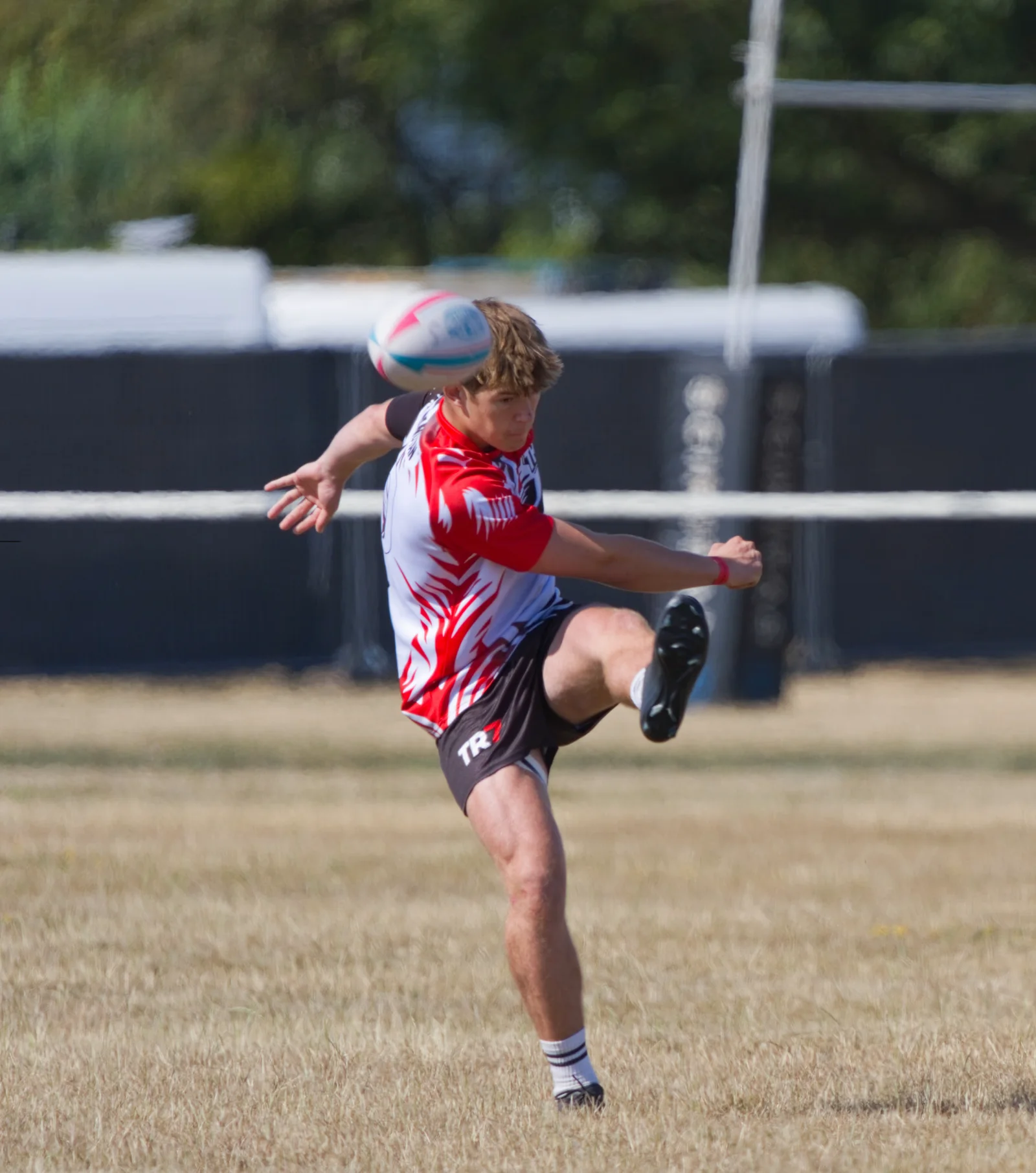
A rugby pass might travel comfortably across a wide frame but disappear beyond a narrow vertical crop. Cropping later also reduces the image area available for the final video. The intended screen matters while filming, not just when exporting.
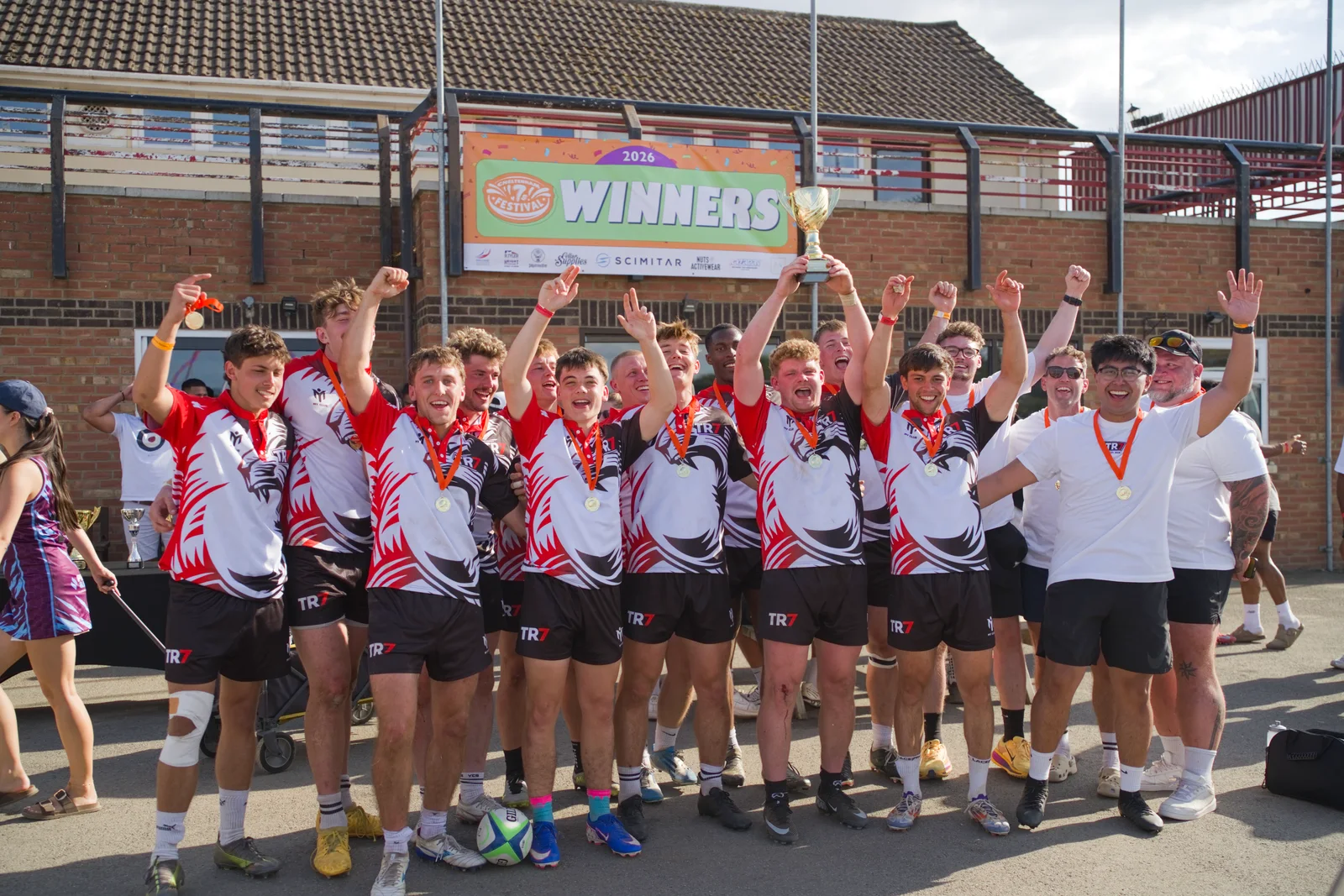
For TR7's Cheltenham tournament, the brief called for a portrait highlight film alongside photography and an agreed footage handover. We filmed wider in landscape so the edit had room to follow the action within a portrait crop. That meant accepting a less tightly framed image during capture.
It was a practical choice for that shoot, not a rule that all vertical sports content should be filmed horizontally. A planned exercise demonstration may be easier to frame directly in portrait. A match needing both a full-width record and vertical highlights may justify separate coverage.
The details of that trade-off are in our guide to filming rugby for portrait video. Tell the crew which versions matter most before the first whistle.
The sport should still sound like itself
Try imagining a basketball film without the bounce of the ball, shoes on the court or the crowd. Music can give it pace, but those sounds put the viewer in the room.
Plan for the sounds that belong to the sport, alongside any interviews or commentary. Microphones need useful, safe positions, and someone needs to check what they are recording. Wind, a loud PA system and distorted crowd noise are better dealt with on location than left as an editing problem.
For interviews, find somewhere close enough to retain the atmosphere but quiet enough to hear the answer. Give players a chance to recover and coordinate with the team's schedule. A specific question such as "What changed after half-time?" is more likely to produce a useful answer than "Tell us about the game."
For an athlete profile, leave time for a proper conversation rather than expecting a thoughtful account between warm-up and competition. Match-day reactions and considered interviews can both work, but they offer different material.
Agree access, safeguarding and aerial filming in advance
Confirm the organiser's filming and publication requirements, including any venue, competition or rights-holder restrictions. A place to stand does not answer every question about how the footage can be used. Include sponsor requirements and planned advertising in the discussion.
For junior sport, agree the filming arrangements with the club's safeguarding lead. Establish how children and parents will be informed, how the relevant permissions will be recorded and how the crew will identify anyone who must not be filmed. Children should not have to miss the activity because they are not participating in the video.
NSPCC Sport's photography and filming guidance covers consent, commissioned crews, storage and publication. It also identifies changing, toilet and first-aid areas as places where filming should not take place. The arrangements need to cover the shoot and subsequent use, not just obtaining a signature.
A drone is an option, not a guaranteed opening shot
An aerial view can establish a course, venue or landscape. Whether it is appropriate depends on the site, airspace, weather, people and the proposed flight.
The CAA's Drone Code prohibits flying over crowds within the operations it covers, including with small drones. Flying outside those rules requires the appropriate authorisation; venue permission alone is not enough.
Discuss aerial filming before the day and keep a ground-based alternative. Our guide to when drone footage is worth using looks at where it contributes to the film rather than simply adding another camera angle.
Build an edit that makes sense to someone who was not there
The editor needs more than a folder of attractive shots. Supply correct names, team details, results and any moments with particular significance. A brief note explaining which attempt was a personal best can be more useful than another hour of unidentified footage.
For a result-led highlights film, preserve the meaning of the action. Do not cut an unrelated celebration onto a missed attempt and imply it succeeded. A promotional montage can move more freely between moments, but scores, claims and identifiable outcomes still need to be accurate.
The rest of post-production brings together pacing, sound, colour, titles and the agreed versions. Keep music from overwhelming the sport, check names and score graphics, and review captions for any speech. Ask the club to nominate someone who can check sporting details as well as someone approving the presentation.
One long film is not always the most useful delivery. A club may need a main promotion, an athlete interview and several short clips; a coach may need longer, less interrupted sequences. Agree those outputs and any source-footage handover in the quote rather than assuming every file and possible edit is included.
For a film going on a club or facility website, consider the surrounding page as well. Our guide to using video on a company website covers placement and presentation that are equally useful for sports organisations.
Already have footage from previous fixtures? Our Film It Yourself editing service can help bring supplied material together. Share a sample and the intended result first, with confirmation that you have the necessary permission to use it. Editing cannot recover action that was never recorded.
What to send before booking a sports shoot
A fixture list is a useful start. Add the venue, likely access arrangements, the people or teams that matter most and a description of the finished videos. Mark overlapping matches and any deadline tied to a campaign, sponsor or next fixture.
Give the brief an order of importance. "A full recording of our final, with a separate short promotional edit" is much clearer than "lots of content from the tournament". It also makes it easier to decide where a second operator would genuinely help.
Our production pricing separates filming from editing and other requirements. The time on location is only part of the job: multiple films, interviews, additional crew, travel and fast delivery all need to be scoped. Agree the delivery schedule and review arrangements before booking, particularly when a film needs to be ready shortly after the event.
Send us the fixture or content-day plan, along with where the videos will be shown. We can work out the coverage from there, leaving the players to concentrate on the sport.