
Video Production in Essex: A Guide for Businesses and Organisations
Essex is a useful place to make video because it gives you very different environments within one county. A business might need an interview in Chelmsford, customer footage in Colchester, aerials over an industrial site near the Thames and a second filming day somewhere far more rural.
That variety is useful creatively, but it also means an Essex production can become inefficient very quickly if the schedule is based on a map rather than the reality of filming.
Good video production is not simply a matter of arriving with cameras and working through a shot list. Locations have to be accessible. Interviews need to be quiet enough to record properly. Equipment has to get from the vehicle to the filming position. Contributors need realistic call times. Permissions, safety requirements and weather alternatives all need to be understood before the day begins.
If you are planning a corporate film, promotional video, event, interview or wider content campaign in Essex, these are the things worth sorting out early.
Start with what the film actually needs to show
Before choosing locations, decide what the audience needs to understand.
A polished boardroom might look impressive, but it is not automatically the best place to film. If the point of the video is to explain how your organisation works, the more useful setting may be the production floor, a customer site, a training session, a community event or somewhere your team is genuinely doing the work.
That is particularly important for corporate video production. The strongest supporting footage usually proves something the interview is talking about rather than merely filling the screen between answers.
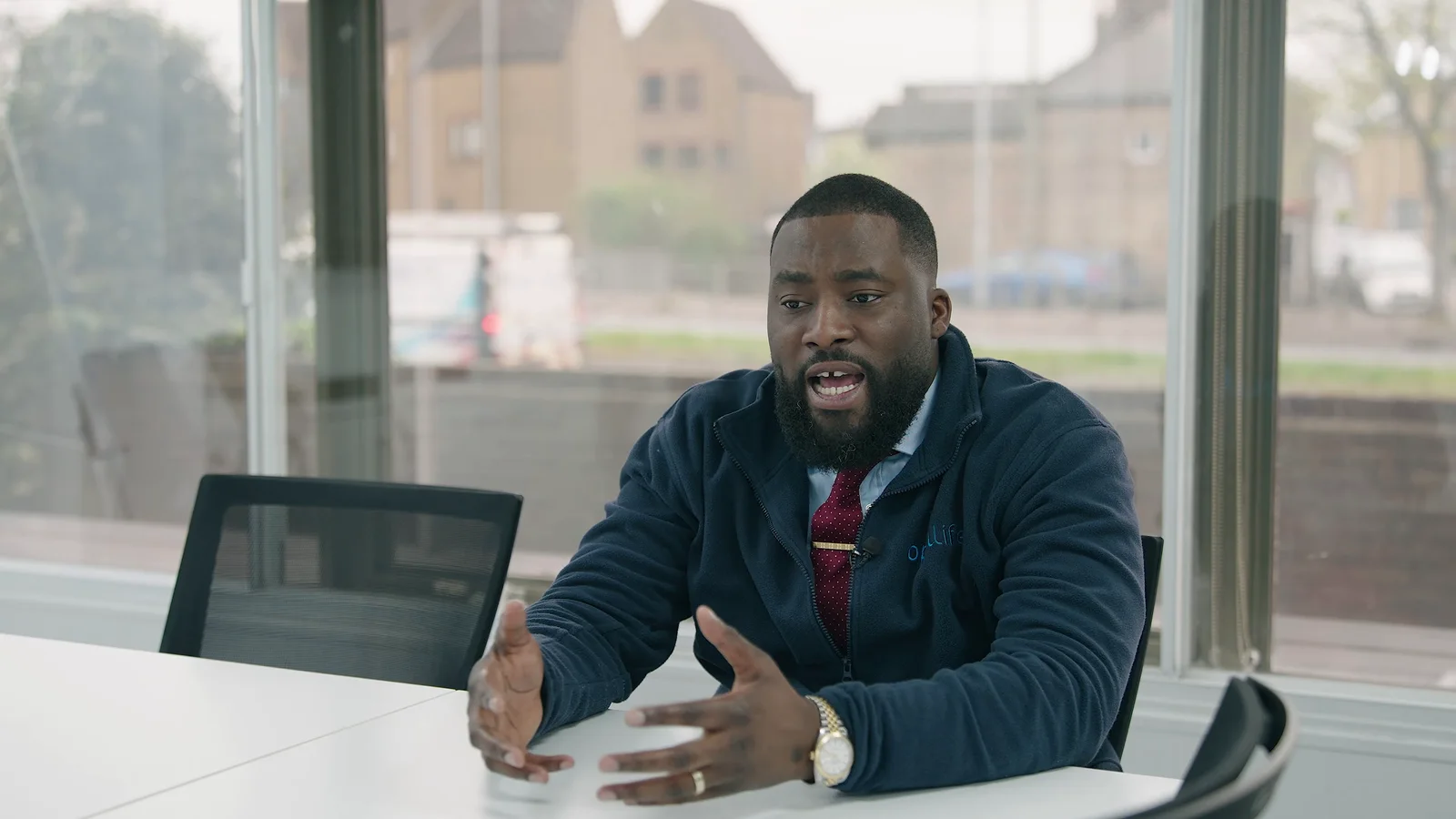
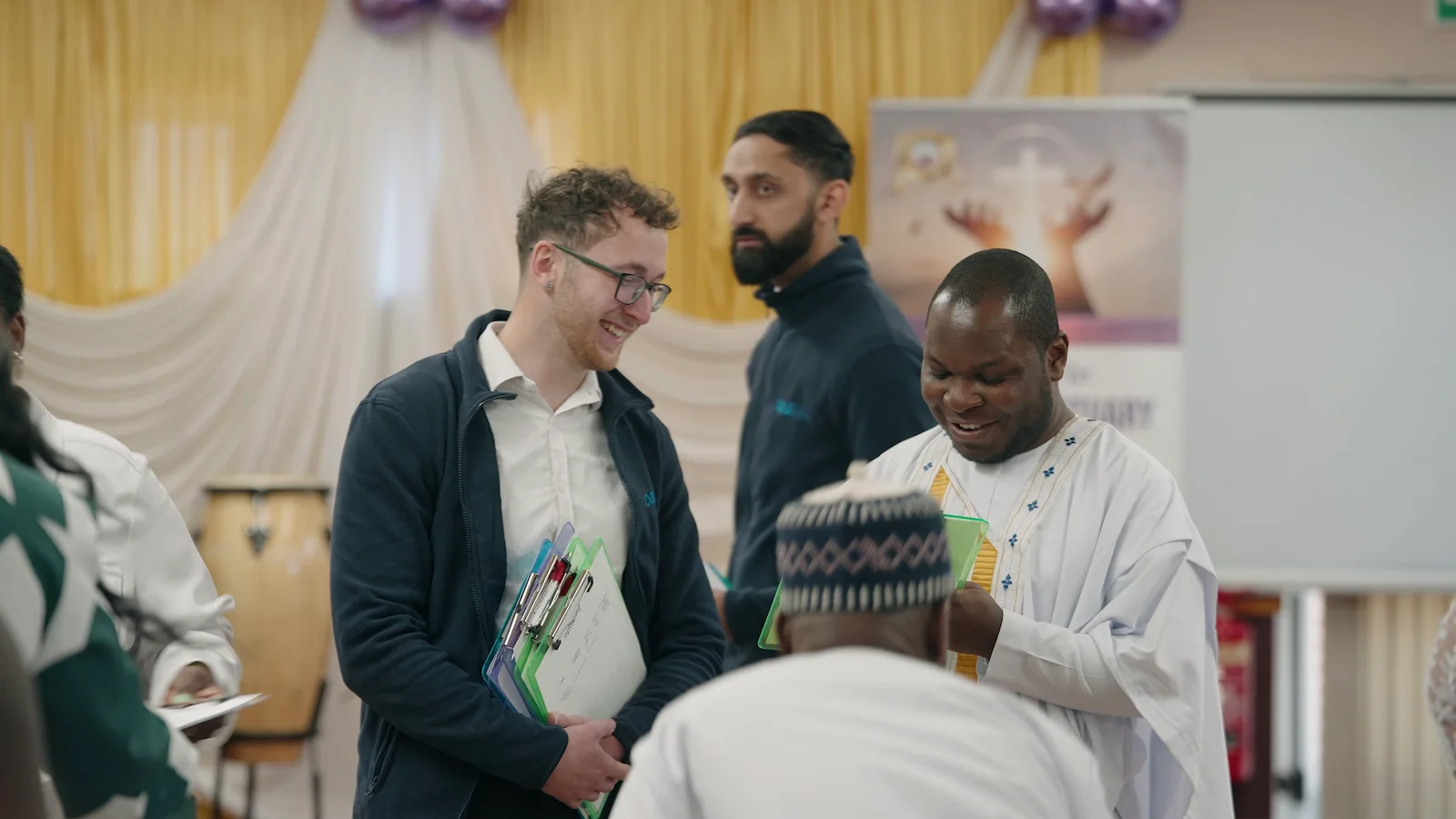
For Opul Life, for example, the company story was not confined to its Chelmsford office. We filmed community outreach in both Chelmsford and Colchester so the finished film could show the advisers interacting with the people they serve, then combined that footage with an interview at the company’s headquarters.
See the Opul Life corporate film and photography project.
The locations worked because each one contributed something different to the story.

Treat Essex as a series of production zones, not one small area
Colchester, Chelmsford, Basildon, Brentwood, Harlow and Southend may all sit within the same county, but that does not make them convenient stops on a single filming day.
A schedule that looks perfectly reasonable in a route planner can become much less efficient once you include:
- morning and evening traffic;
- parking and loading restrictions;
- carrying equipment from the vehicle;
- security or reception procedures;
- lighting and audio setup;
- moving people between locations;
- packing down before travelling again.
A 45-minute journey is not a 45-minute location change. It is the travel plus everything required at either end.
If several sites need to appear in the film, group them sensibly and ask whether they genuinely need to be covered on the same day. Sometimes two shorter filming days will produce better material than one long day spent rushing between locations.
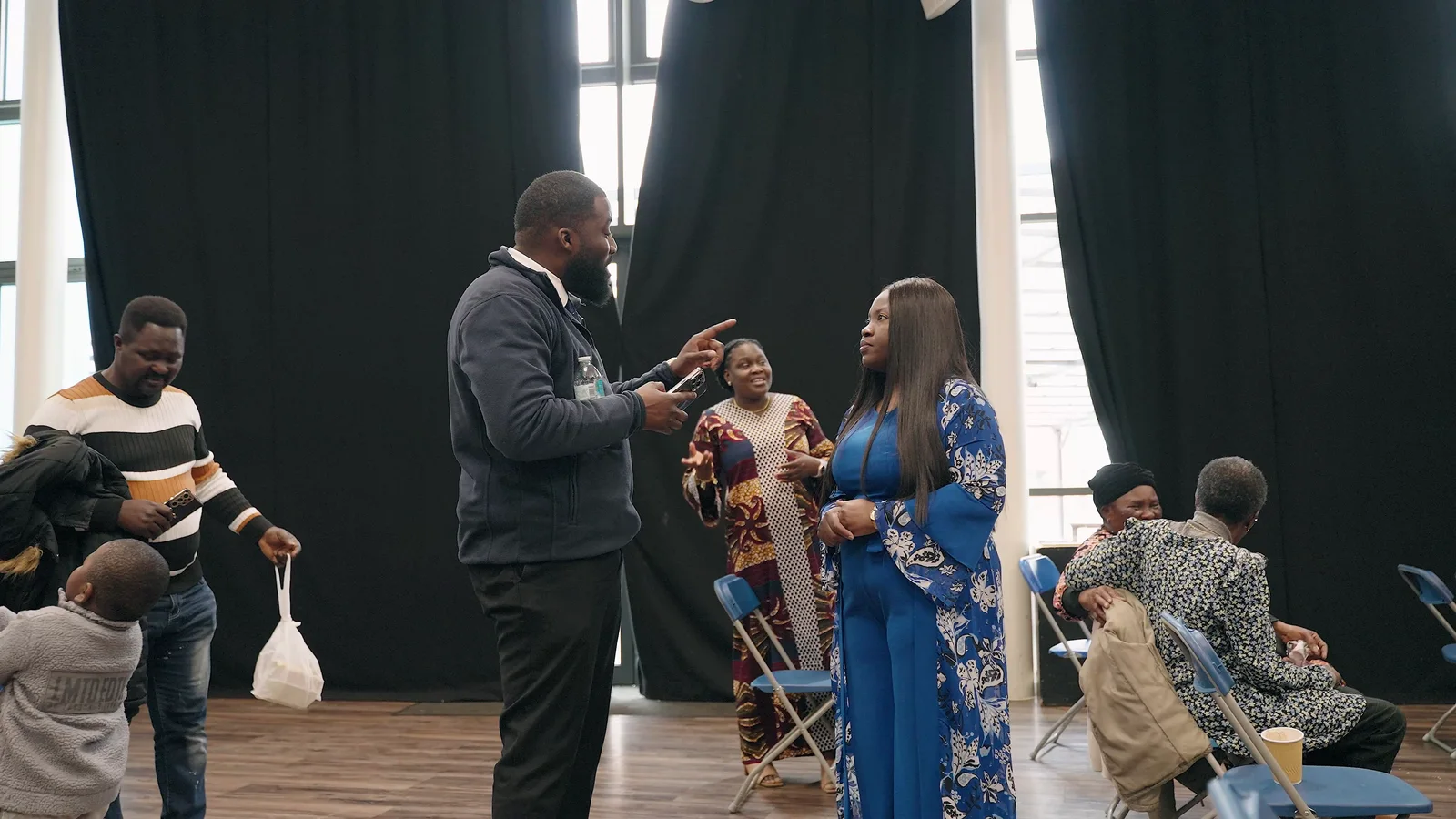
That was useful on our work with My Home Life England. Two programme days were filmed in Chelmsford, while later event and conference content was captured in London. Treating those as separate production dates meant the coverage could respond properly to what was happening at each event rather than forcing unrelated activity into one schedule.
Explore the My Home Life England case study.
Build setup time into every room
Even if two interview spaces are in the same building, moving between them is not instantaneous.
Lights need to be repositioned. Microphones may need to be re-rigged. Backgrounds and reflections change. Power has to be checked. Furniture sometimes needs moving. The new room may sound completely different from the last one.
When planning an interview-heavy production, it is usually better to prepare one strong location properly and bring contributors through it than repeatedly move the entire setup for the sake of visual variety.
If several different backgrounds are important, allow real reset time in the schedule.
Our complete corporate video production guide goes into more detail on planning contributors, approvals, filming and post-production as one process.
Check who actually controls the location
One of the easiest mistakes to make is assuming that permission from the business you are filming with covers everything around it.
It may not.
An office entrance can open onto a privately managed estate. A useful exterior may involve a public pavement. A station, shopping centre, seafront, park or car park may have a completely different owner from the adjacent building.
If your production needs to film on or around a public highway, check the current requirements with the relevant authority or the Essex Film Office well before the shoot.
When requesting permission, be specific about what you intend to do. Useful information usually includes:
- date and approximate timings;
- crew size;
- cameras, tripods, lighting or other equipment;
- whether members of the public may be affected;
- where vehicles will be parked or unloaded;
- whether power is required;
- whether the setup changes pedestrian or vehicle movement;
- insurance and risk-assessment information where required.
A small handheld filming setup is very different from a crew occupying a section of pavement with lighting, stands and several people.
Choose interview locations with your ears as well as your eyes
A room can look excellent and still be a terrible place to record speech.
Common problems include:
- traffic outside;
- air-conditioning systems;
- refrigeration units;
- lifts;
- nearby meeting rooms;
- hard walls and glass creating echo;
- machinery cycling on and off;
- music that cannot be switched off.
These issues matter because audiences will tolerate a less dramatic background far more readily than dialogue they cannot understand.
Professional microphones help, but they do not make every room suitable. The best approach is usually to record speech close to the source, monitor it continuously and have an alternative room available if the preferred location becomes unusable.
Our guide to why professional audio matters in video production explains this in more detail.
Industrial sites need a different production plan
Essex has a large number of industrial, logistics, construction and infrastructure locations, particularly around the Thames corridor. These can produce excellent footage, but they also tend to have more stringent access and safety requirements.
A production may need to account for:
- site induction;
- PPE;
- restricted areas;
- escorted access;
- active vehicle routes;
- noisy working zones;
- confidential equipment or processes;
- shutdown periods;
- specific drone restrictions;
- limited windows in which particular activity is happening.
The schedule should be built around the site's real operation rather than asking the site to behave like a film set.
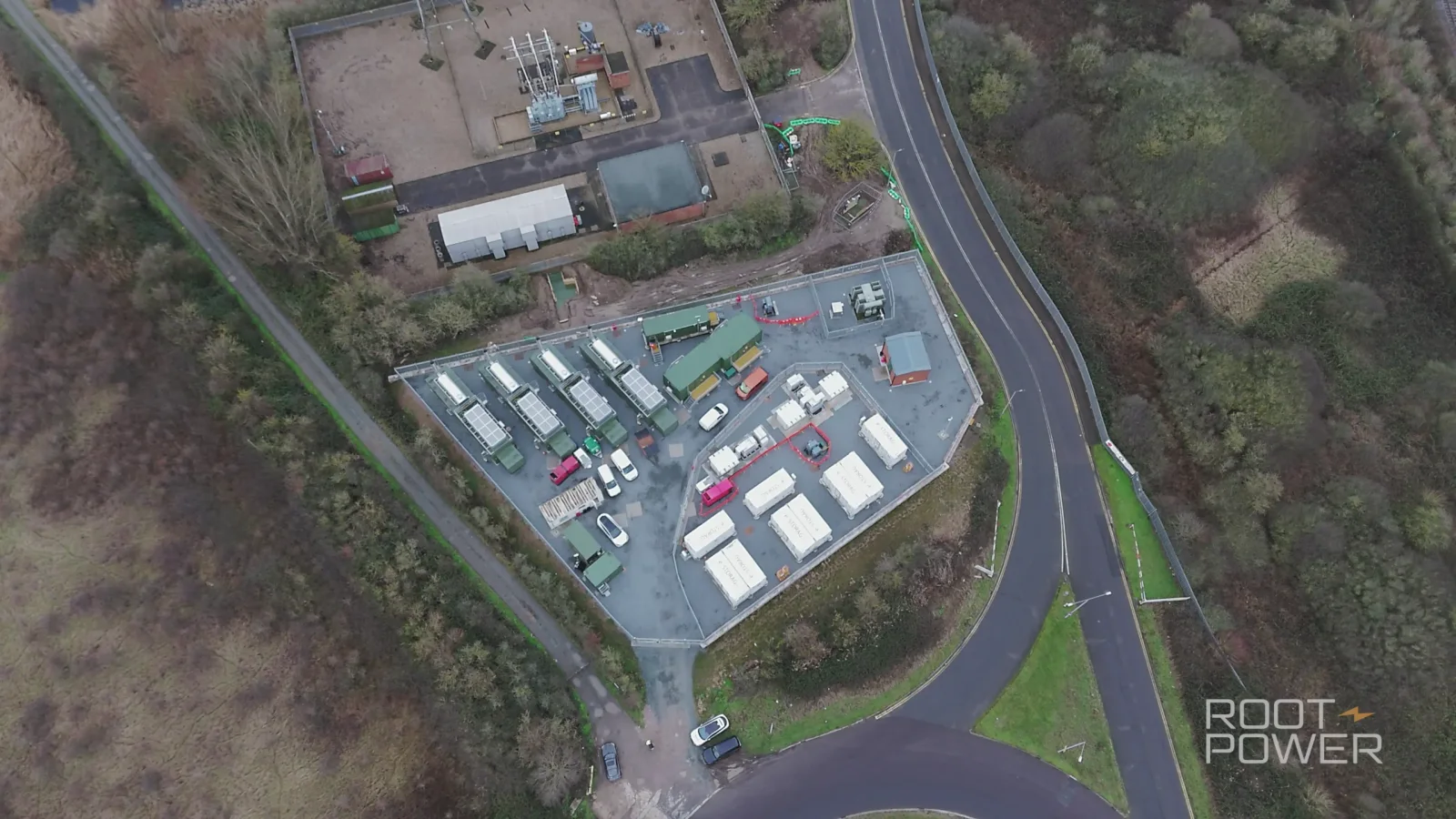
That was especially relevant when we filmed Root-Power's Coryton BESS project near Corringham. The project required ground-level cinematography, interviews and professional drone filming across two visits. On the later visit, the operating infrastructure created substantial continuous noise, so microphone choice, positioning, monitoring and post-production audio work all became part of the production plan.
See the Root-Power Coryton BESS case study.
The important point is that industrial video is not just normal filming in a harder-looking location. The site conditions affect crew size, kit, timing, safety and the edit.
Do not treat drone footage as an automatic extra
Essex has no shortage of locations that look good from the air, but an open field or large industrial site does not automatically mean a drone can be flown there.
Every flight needs to be assessed against the current aviation rules, airspace, nearby people, land access, site restrictions, weather and the nature of the operation.
For that reason, if aerial footage is important to the finished film, make it part of pre-production rather than deciding on the morning of the shoot that it would be nice to get a few drone shots.
Our drone filming services can be incorporated into a wider production where appropriate.
Coastal and rural filming brings its own problems
The Essex coast and countryside can give a production a completely different feel from an office or industrial site, but exterior locations are less controllable.
Wind is often the biggest audio problem. Weather can change quickly. Soft ground changes where equipment can safely be placed. Tide times can alter what is physically accessible. Public footpaths can make a supposedly quiet location unexpectedly busy.
Power, toilets, shelter and mobile signal may also be less convenient than expected.
A sensible exterior plan should therefore include a weather decision point and a genuine alternative — not simply the hope that conditions will improve.
Be realistic about filming in busy public spaces
Town centres and public-facing locations can add life to a film, but they are not controlled studios.
If recognisable members of the public are likely to appear, decide before filming how that will be handled. Depending on the shot and intended use, that might mean controlling the area, changing the framing, obtaining appropriate consent or choosing a different angle entirely.
The same applies inside organisations. Computer screens, paperwork, visitor lists, whiteboards, badges, vehicle registrations and customer information can all end up visible in a shot without anybody noticing at the time.
A quick privacy and confidentiality check before recording can save a significant amount of cleanup later.
Give contributors proper information before filming day
People are usually much more comfortable on camera when they know what is going to happen.
Send contributors clear information covering:
- where they need to be;
- their approximate call time;
- how long they are likely to be needed;
- what the interview or filming will involve;
- whether they need to prepare anything;
- clothing guidance if relevant;
- where the final video is expected to be used.
For interview-led work, avoid sending a script unless the format genuinely requires one. It is usually more helpful to explain the themes and let people answer naturally.
If customer or staff interviews are central to the film, our guides to filming customer testimonials and planning recruitment videos cover those formats in more depth.
Decide the deliverables before deciding how much to film
One of the most useful questions in pre-production is not “how long should the video be?” but “what do we actually need to come away with?”
A single filming day might be expected to produce:
- one main corporate film;
- several customer or staff interviews;
- short social edits;
- vertical versions;
- muted exhibition loops;
- website background footage;
- still photography;
- a reusable bank of B-roll.
That changes how the day should be filmed.
If a piece of content needs to work vertically, it is better to know that while shooting rather than discover during the edit that every important person is standing at opposite sides of a widescreen frame.
The same applies to photography. Where both are useful, booking photography and videography together can allow the shot plan and schedule to be coordinated from the start.

Make the quotation reflect the actual production
A useful video-production quote should make clear what is included rather than presenting one unexplained total.
Depending on the job, the scope may need to specify:
- planning and pre-production;
- filming days or half-days;
- crew size;
- travel and parking;
- permits or location fees;
- drone filming;
- specialist equipment;
- post-production;
- motion graphics;
- captions;
- number and format of finished edits;
- feedback rounds;
- delivery deadlines;
- overtime or additional filming arrangements.
You can see how we structure our own guidance on the video production pricing page.
A local supplier is not automatically simpler or cheaper if the production itself has not been scoped properly. What matters is whether everyone is quoting for the same job.
A practical Essex video-production checklist
Before the shoot, make sure you can answer these questions:
- What does each location contribute to the story?
- Who owns or controls each place where filming will happen?
- Are permissions, insurance and safety requirements understood?
- Does the route include realistic travel, parking, loading and setup time?
- Are interview locations quiet enough for clean speech?
- Is there a weather alternative for exterior filming?
- Have contributors been briefed properly?
- Are confidential information and members of the public accounted for?
- Has drone filming been assessed in advance if required?
- Are the final deliverables and aspect ratios agreed?
- Does the quotation reflect the actual logistics and post-production work?
If those questions are resolved before the filming day, the crew can spend far more of its time concentrating on the pictures, people and story.
Video production across Essex
The Camera Guys works across Essex from our Colchester and Suffolk bases, including projects in Chelmsford, Colchester, South Essex and locations throughout the wider county. Our work ranges from interviews and promotional films to industrial projects, events, photography and multi-location corporate productions.
You can explore more of our recent video production work, see the areas we cover on our locations page, or get in touch if you are planning a production in Essex and want help turning the brief into a workable shoot.