
Filming in Colchester: A Guide for Businesses Planning a Video Shoot
Your business film does not need to open with Colchester Castle.
It might be better to start with a customer walking through your door, a product being tested or a colleague explaining a problem you solve. A recognisable local view can establish where you are. The rest of the film needs to give someone a reason to be interested in your business.
That is where we would start when planning video production in Colchester: what should the viewer actually see, and when can we film it?
The answers will shape the locations, the people involved and the schedule. Then there are the practical details: getting equipment inside, finding somewhere quiet to record and checking what is needed before filming outside your premises.
Start where the work happens
Before looking for a hired location, walk around your own business.
A showroom can show the range you offer. A workshop can demonstrate how something is made. A customer-facing space can introduce the experience of dealing with your team. These settings give a corporate film something specific to show, rather than a sequence of people smiling in an anonymous meeting room.
Think in actions, not just rooms. "Film the workshop" is vague. "Show the material arriving, the machining process and the final quality check" gives the crew something to follow. For a service business, that might mean an initial conversation, a demonstration and the handover to a customer.
Choose activities that can be filmed safely and without exposing confidential information. There is no need to manufacture a busy office scene when a genuine demonstration would explain more.
This is part of pre-production: turning a general idea into a plan for the actual footage.
It does not mean everything has to happen at headquarters. Our Opul Life community-outreach film combined filming in Colchester and Chelmsford with a CEO interview at the company's Chelmsford headquarters. The community activity showed a side of the business that an office interview alone could not.
An extra location should add that kind of value. It should not just add another journey.
The best interview room might not be the prettiest
A glass meeting room overlooking the street can look ideal until you listen to it.
Before booking a room, spend a few minutes there without talking. Listen for traffic, ventilation, neighbouring conversations, kitchen equipment and doors opening. Check it at roughly the time you expect to film, not only when the building is empty.
For interview filming, we would rather have a manageable room with a useful background than a spectacular one where nobody can finish a sentence without being interrupted.
Allow space for the person, camera, lighting and microphone setup. Keep the room available during preparation as well as the interview itself. A contributor arriving at ten does not mean the crew should get access at ten.
Give each speaker a clear subject, too. A founder might explain why the company exists; a colleague can demonstrate the work; a customer can describe their experience. Three people repeating the same company introduction will not give the edit much variety.
Our guide to preparing for a corporate video shoot covers the wider preparation. For the room itself, the most useful checks are simple: can we hear the person clearly, and can we work without being interrupted?
Check what changes when you step outside
Filming inside your own premises and moving the camera onto the pavement are not necessarily covered by the same arrangements.
The Essex Film Office is run by Essex County Council and helps productions coordinate with local authorities and locations. Describe the actual shoot when asking for advice: the address, dates, crew size, equipment and how the activity might affect other people.
Streets, pavements and parking
The Film Office's guidance on filming on Essex highways says commercial filming on public highways and public footpaths requires permission, including handheld shots. It also specifies at least £5 million in public liability cover and a risk assessment for highway filming.
Do not assume that a small camera or a short exterior shot makes the check unnecessary. Ask which arrangements apply to the proposed location and activity before confirming that part of the schedule.
Loading and parking need their own plan. Tell the production team where equipment can be unloaded, where the vehicle can stay afterwards and how far the kit must be carried. The Film Office also advises on parking suspensions and dispensations; a filming arrangement should not be treated as automatic permission to park anywhere.
Parks, venues and shared spaces
For a park, courtyard, shopping area or venue, establish who manages the exact spot. Public access does not, by itself, tell you who can approve a commercial setup there.
Agree the working area, access route and any restrictions with the relevant manager. Inside a shared building, check reception, communal corridors and exterior areas separately from the room your business occupies.
For older premises, ask about stairs, lift access, floor protection and where stands or cables can go. Send photographs of the route in as well as the room; the attractive staircase may be the awkward part of getting the equipment upstairs.
Drone shots are a separate decision
Do not put an aerial view of Castle Park into the brief as a guaranteed shot. Colchester City Council's Castle Park rules say drones may not be flown in the park.
Elsewhere, discuss drone filming using the exact location and proposed shot. Access to a site does not settle the separate questions about airspace, people nearby and safe operation. The CAA's current guidance on where drones can fly explains why local restrictions and operational checks matter.
Keep a ground-level alternative in the plan. A film should not depend on one aerial shot that may be unavailable because of restrictions or the weather.
Put the moments you cannot move into the diary first
A shoot schedule should follow the business, not just the order of the shot list.
A demonstration might only happen before lunch. A customer may be available for twenty minutes. A delivery, class or presentation will have its own timetable. Put those moments in first, then arrange the more flexible filming around them.
For a city-centre business, check the entrance and surrounding activity at the intended filming time. An exterior may work before opening, while the interior looks better once staff are at work. On a campus or larger site, find out how long it takes to move between buildings with equipment, not just how long a colleague takes to walk there.
Our Essex Sport production at the University of Essex included separate promotional films for 20 sports and fitness activities at the Colchester campus. The activity filming day needed a planned route and enough coverage at each stop to give that sport its own edit.
The useful lesson is not that every business should aim for twenty films. It is that several outputs need several thought-through filming opportunities. Our account of filming 20 sports videos in one day explains that approach in more detail.
Leave room for the ordinary things between shots: moving equipment, setting up in another room and finding the next contributor. Check that someone on site can answer questions and open the right doors.
For outdoor activity, agree what happens in poor weather. Can it move indoors, can the order change, or does that part need another date? Decide this before people have travelled to take part.
Keep the business recognisable
Preparing a workplace does not mean making it look as though nobody works there.
Tidy distractions, check visible branding and remove confidential paperwork or information from screens. Then keep the details that help someone understand the business: tools, materials, products, the way people collaborate and the surroundings they actually use.
Brief staff about where filming will happen and who is taking part. Agree with the organiser how customers, visitors and anyone who does not want to appear will be handled. For schools, community organisations or other sensitive settings, work through the relevant approval and safeguarding arrangements before the day.
For event videography, the balance is especially important. Speakers and attendees are there for the event, not to spend the day repeating things for a camera. Plan positions and interview opportunities around the programme rather than interrupting it.
A useful question for the whole shoot is: would someone who works here recognise what we are showing? A polished film should still look like your organisation.
Decide what you want to publish before filming it
One company overview may be all you need. But a recruitment clip, a customer interview and a short product demonstration each do a different job. Agree which of those jobs matter before trying to squeeze them into the same booking.
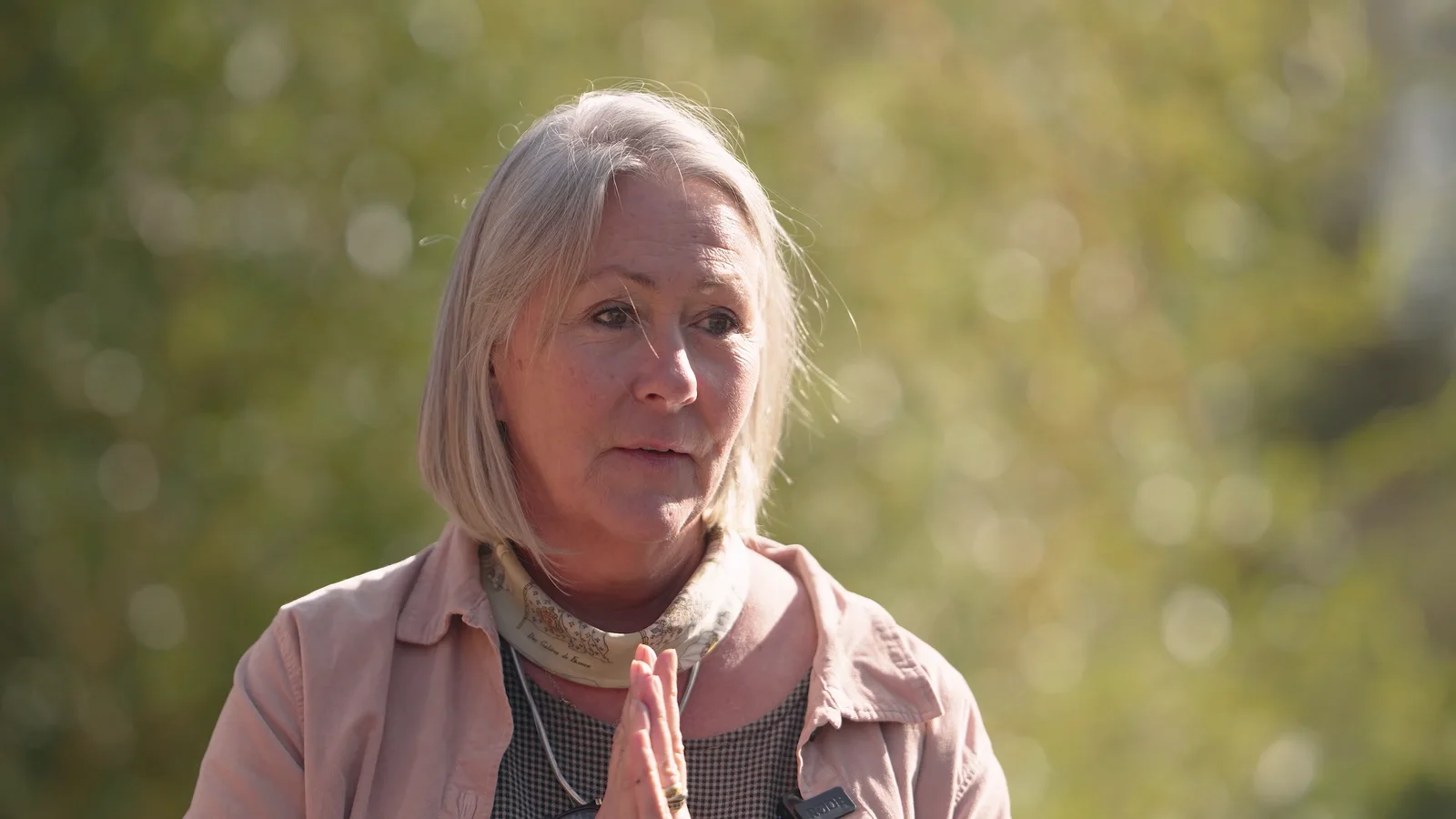
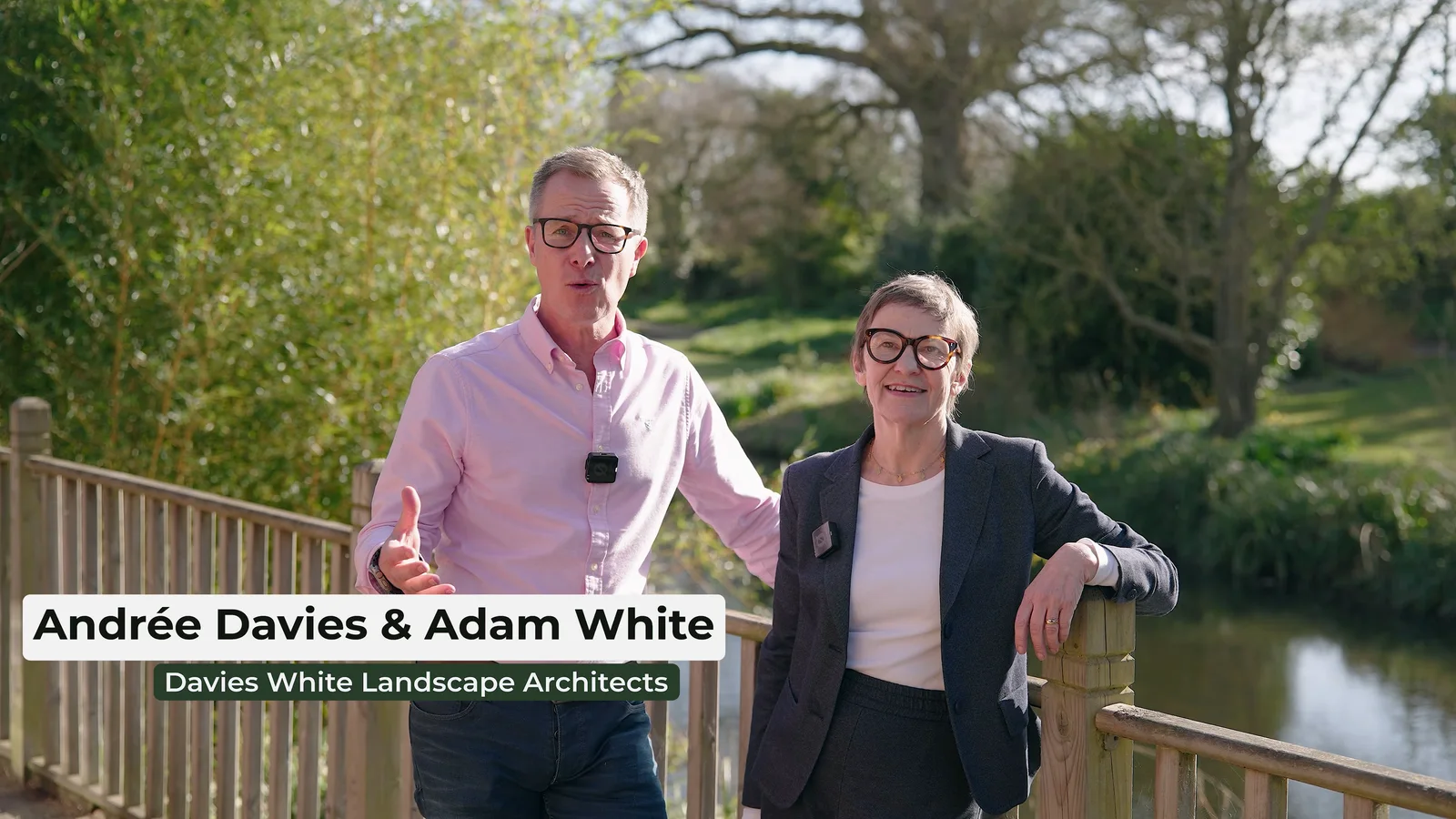
Our Davies White workshop production at Beth Chatto Gardens, near Colchester combined presentations, discussion and participant interviews. The finished work included speaker edits, a highlights film, a short teaser and interview clips.
Those outputs needed more than general footage of people attending an event. They needed usable speech and coverage of the subjects being discussed. Our guide to turning a workshop into a series of videos explains how to plan that combination.
For your own shoot, specify where the videos will appear. A wide website film and a vertical social edit may need different framing, even when they share the same subject. Mention captions, graphics and any deadline tied to a launch or event.
This gives post-production a clear starting point. It also makes it easier to judge whether the filming plan will supply what each finished version needs.
Need photographs as well? Put business photography into the brief rather than assuming it can be added between video shots. Still photographs need their own time and attention, and simultaneous coverage may need another person.
What makes a Colchester shoot more expensive?
The town name is not a useful way to price a production. The amount of work is.
A single-location interview with supporting footage is a different booking from a film involving several sites, additional crew, aerial coverage and multiple finished edits. Location moves and access arrangements affect how much can be captured in the available time.
Our production pricing separates on-location work from video editing, with travel and other requirements agreed for the project. You do not need to guess the editing hours yourself. Tell us what the finished content needs to do and we can scope that part of the quote.
For a fuller explanation of how filming and editing costs fit together, see our guide to videographer costs.
With a limited budget, decide what must be captured and what can wait. Removing an unnecessary location can be a better saving than rushing every interview.
Send the address and the idea
You do not need a finished production plan before contacting us. A first message can be as straightforward as this:
We want a short film for our Colchester business's website, showing the team and how our service works. We can film at our premises, and two colleagues are happy to be interviewed. We also need a couple of short social clips. Our launch is in six weeks; can you help us work out the filming time and budget?
That is an example brief, not a fixed package. Add the address, any preferred dates and the budget you have in mind. Photographs of the spaces are useful too.
For a project involving several towns, our Essex video-production guide covers the wider planning considerations.
Otherwise, tell us about your Colchester shoot. We can work through the locations, contributors and finished films with you, before anyone needs to stand in front of a camera.