
What Does a Videographer Do?
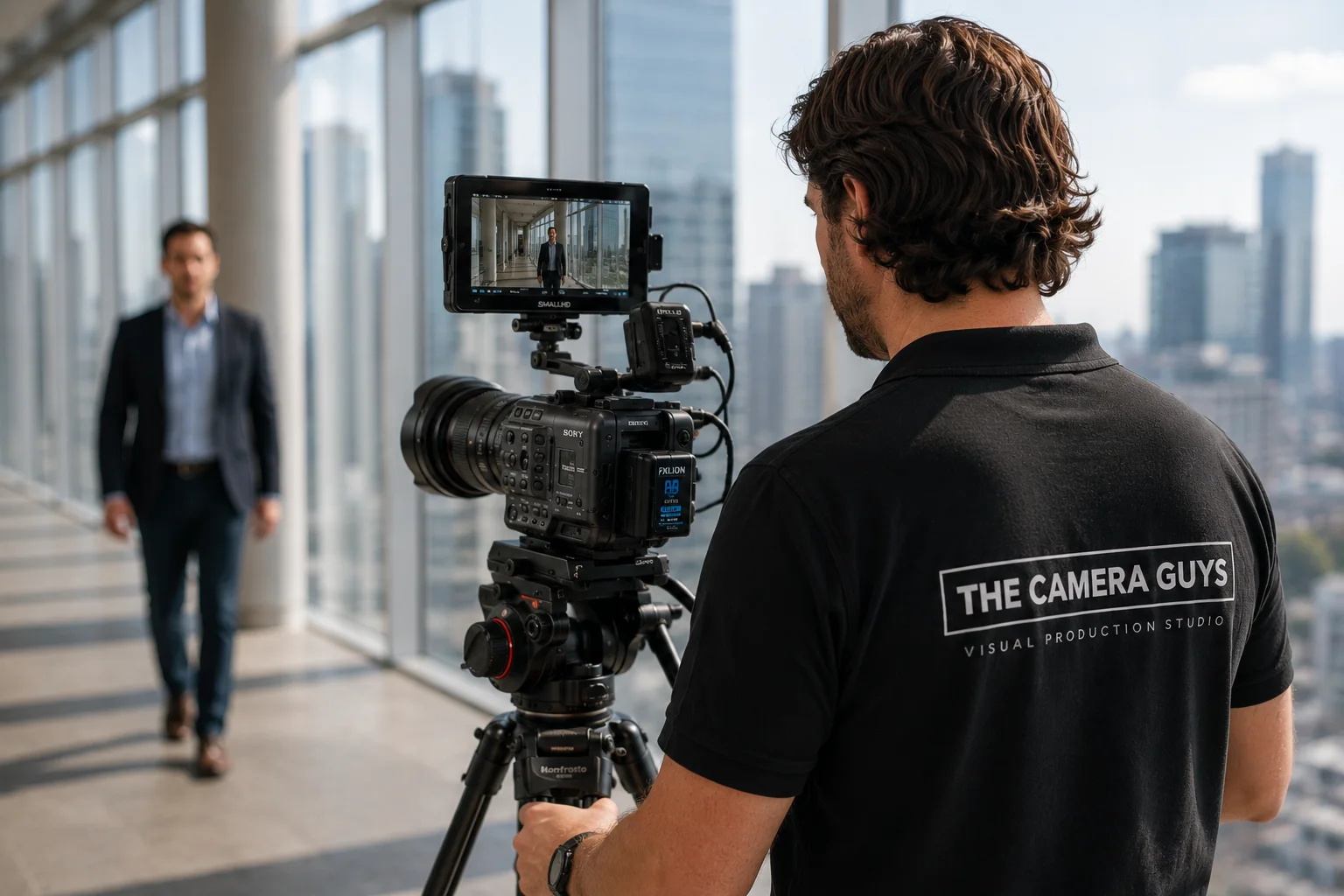
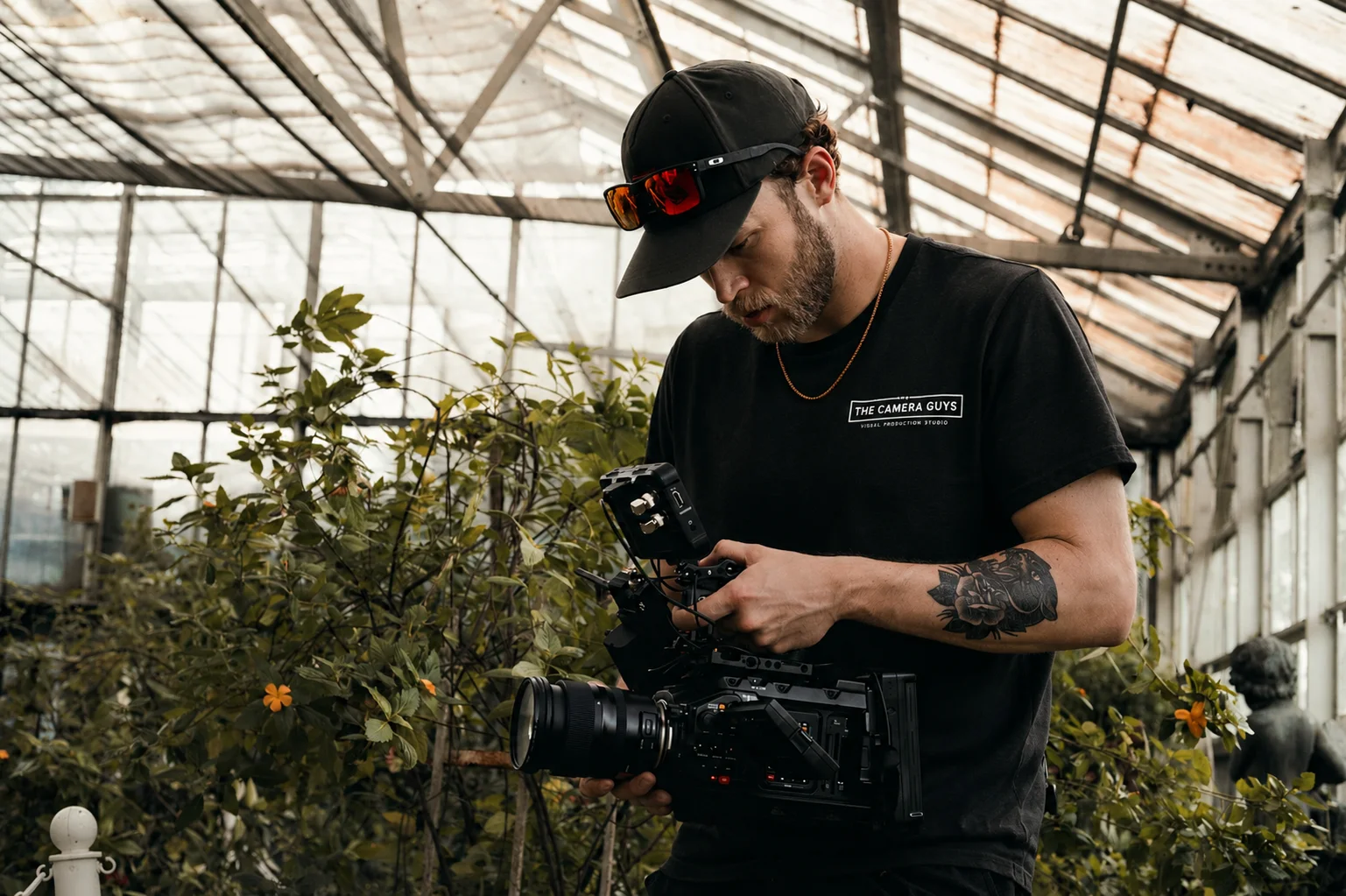
If you only see the filming day, a videographer’s job can look straightforward: arrive with a camera, record what happens and send over a video afterwards.
The camera operation matters, but it is only the visible part.
A professional videographer may help turn a brief into a filming plan, decide what coverage the edit will need, set up lighting and microphones, guide people who are not used to being filmed, solve problems on location, protect the recordings and edit them into finished content.
How much of that one person actually handles depends on the project.
A videographer is not simply responsible for recording what happens. They are responsible for capturing the right picture, sound and coverage so the footage can become the video you commissioned.
That difference is why the conversation before filming matters almost as much as the camera used on the day.
The job starts with the finished video, not the camera
Suppose a business says:
“We need a two-minute recruitment video.”
That tells a videographer the approximate output, but not yet what needs filming.
Who is the audience? Which role are you recruiting for? What should someone understand before applying? Will the film sit on a careers page, appear on LinkedIn or be cut into shorter social versions?
Those answers change the shoot.
A film intended to show what a working day is genuinely like might need employee interviews, the actual workplace, different stages of the role and enough supporting footage to make those descriptions visible. A general employer-brand film could need a different mix of people, locations and messages.
This is where a good video production brief becomes useful. The videographer can take the objective and work backwards into something that can be recorded.
That process is part of pre-production: deciding what the audience needs to see and hear, who needs to be available, which locations matter and how the filming day should be organised.
Some clients bring all of that fully prepared. Others arrive with a rough idea. Both are valid starting points — as long as the quotation makes clear who is responsible for turning the idea into a shoot.
On location, a videographer is solving several problems at once
Camera operation is central to the job, but the person behind the camera is usually thinking about much more than whether the picture looks attractive.
The picture
The videographer chooses framing, lens, exposure, focus and camera movement.
Those decisions should suit the subject and the edit. A close view of an engineer’s hands can explain a technical task; a wider view establishes where the work is happening. One does not replace the other.
They are also watching the background. Confidential information on a monitor, distracting activity through a window or a bright sign growing out of someone’s head can all weaken an otherwise good shot.
Lighting may be added, controlled or simply shaped from what is already available. The objective is not to make every office look like a film set. It is to make the important person, product or action clear and consistent.
Our guide to what happens on a professional video shoot walks through that setup in more detail.
The sound
A beautifully framed interview is not very useful when nobody can comfortably understand it.
A videographer may attach radio microphones, position a boom or another suitable microphone, set recording levels and listen for problems such as clothing noise, air conditioning, traffic or interference.
That monitoring continues while the contributor is speaking. A microphone that sounded fine during the test can move. A machine can start halfway through an answer. A cable or battery can fail.
Our guide to professional audio for video explains why recording clean sound at source is normally much better than hoping software can rescue it afterwards.
The person
Most people appearing in corporate video are not professional presenters. They are there because they know the business, product or subject.
The videographer needs to help them communicate that knowledge without making the filming feel like an examination.
For an interview, that might mean explaining where to look, asking the question again, encouraging a complete answer or simply giving someone a moment to restart.
If a contributor says:
“About three months.”
the answer may make perfect sense in the room, because everyone heard the question.
In the finished video, the question may be removed. Asking for:
“The installation took about three months.”
gives the editor something that can stand on its own.
That small intervention is part of directing an interview. It is not about feeding someone a corporate script; it is about recording language that will still make sense after the conversation has been edited.
The coverage
A videographer is also asking: what will the editor need next?
If an interviewee talks about quality control, the production may need footage of the actual inspection, the equipment involved and the finished result.
That supporting material is often called B-roll.
Useful B-roll is not a collection of random slow-motion shots gathered because they look cinematic. It shows the people, processes, products and places the film is talking about.
The videographer may record the same real action at several useful scales:
- a wide shot showing where it happens;
- a medium view showing the person carrying it out;
- a close detail showing the important step.
Together, those pictures give the editor a sequence rather than a folder of unrelated clips.
The clock
All of this has to happen while the business, event or location carries on around the production.
A videographer may need to change the order of filming because a room becomes unavailable, an interview runs late, sunlight changes or an important process happens sooner than expected.
They have to know which shots are essential and which are optional.
That is one reason experience matters. The job is not eliminating every unexpected problem. It is protecting the useful footage when the plan meets reality.
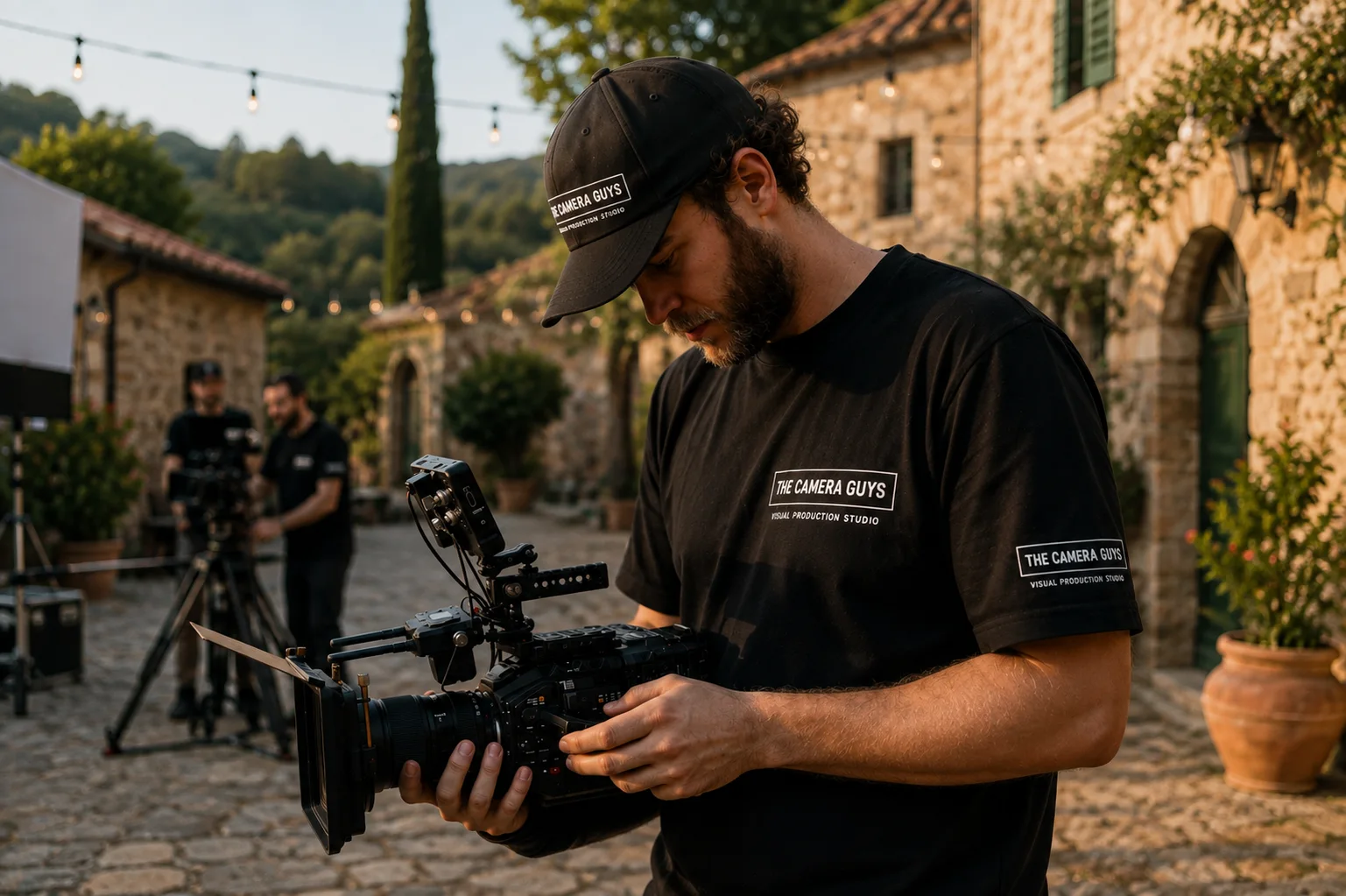
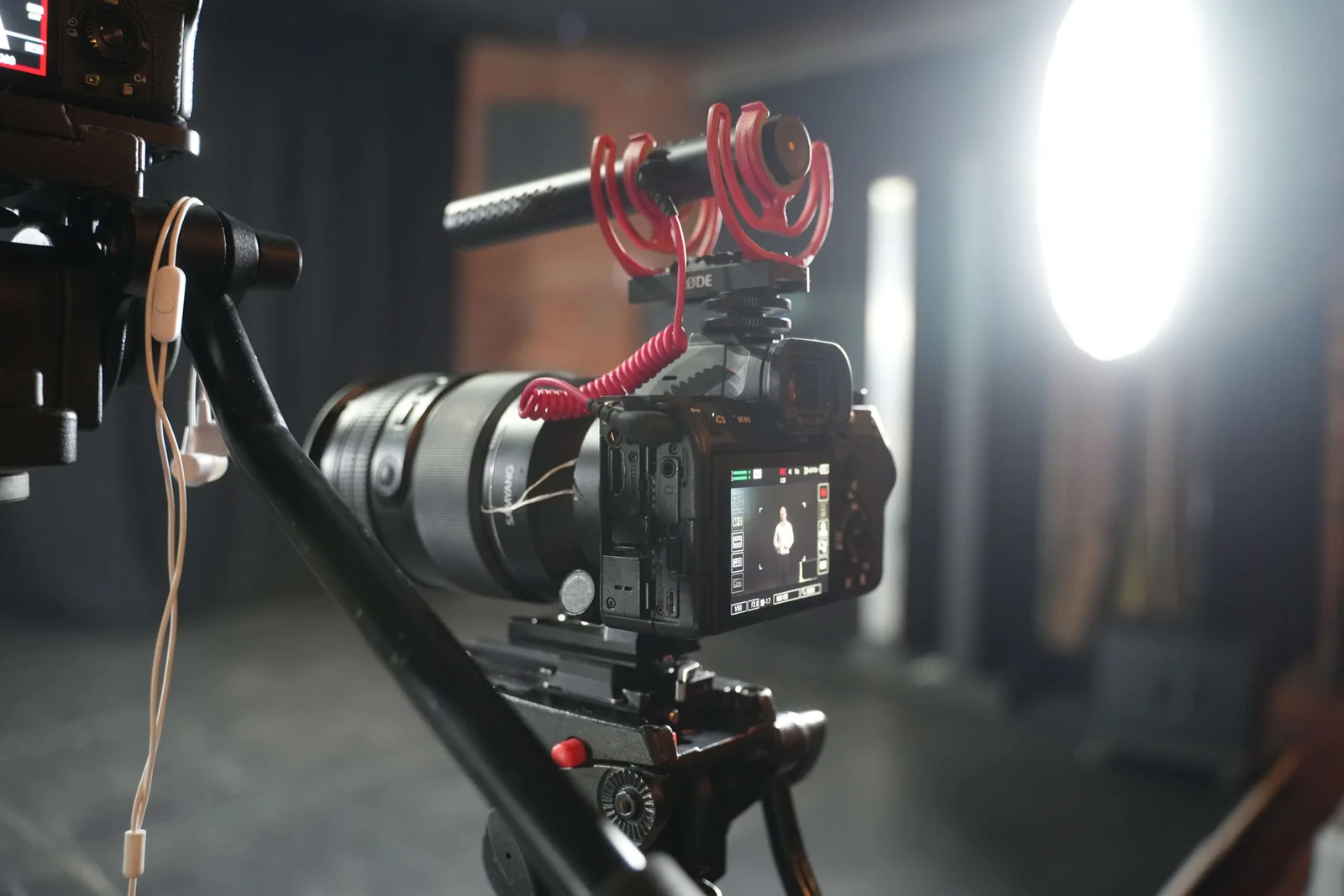
A videographer is already thinking about the edit while filming
Good coverage is recorded with the finished video in mind.
Imagine filming someone preparing a product. The action looks simple while you are standing there: pick it up, open it, make an adjustment and present the result.
For an editor, those stages need to connect.
Has the product suddenly changed position between two shots? Did a hand cover the important feature? Was the completed step actually recorded? Is there a clean detail shot that can cover the point where time needs to be shortened?
This is continuity, and it matters even in straightforward business films.
The intended formats matter too. If the same material needs a website film and vertical social clips, the videographer has to consider whether the important people, products and graphics will survive both compositions.
Our guide to filming vertical or horizontal video explains why “we’ll just crop it later” is not always a production plan.
Thinking editorially while filming does not mean deciding the complete edit in advance. It means returning with enough usable options to build one.
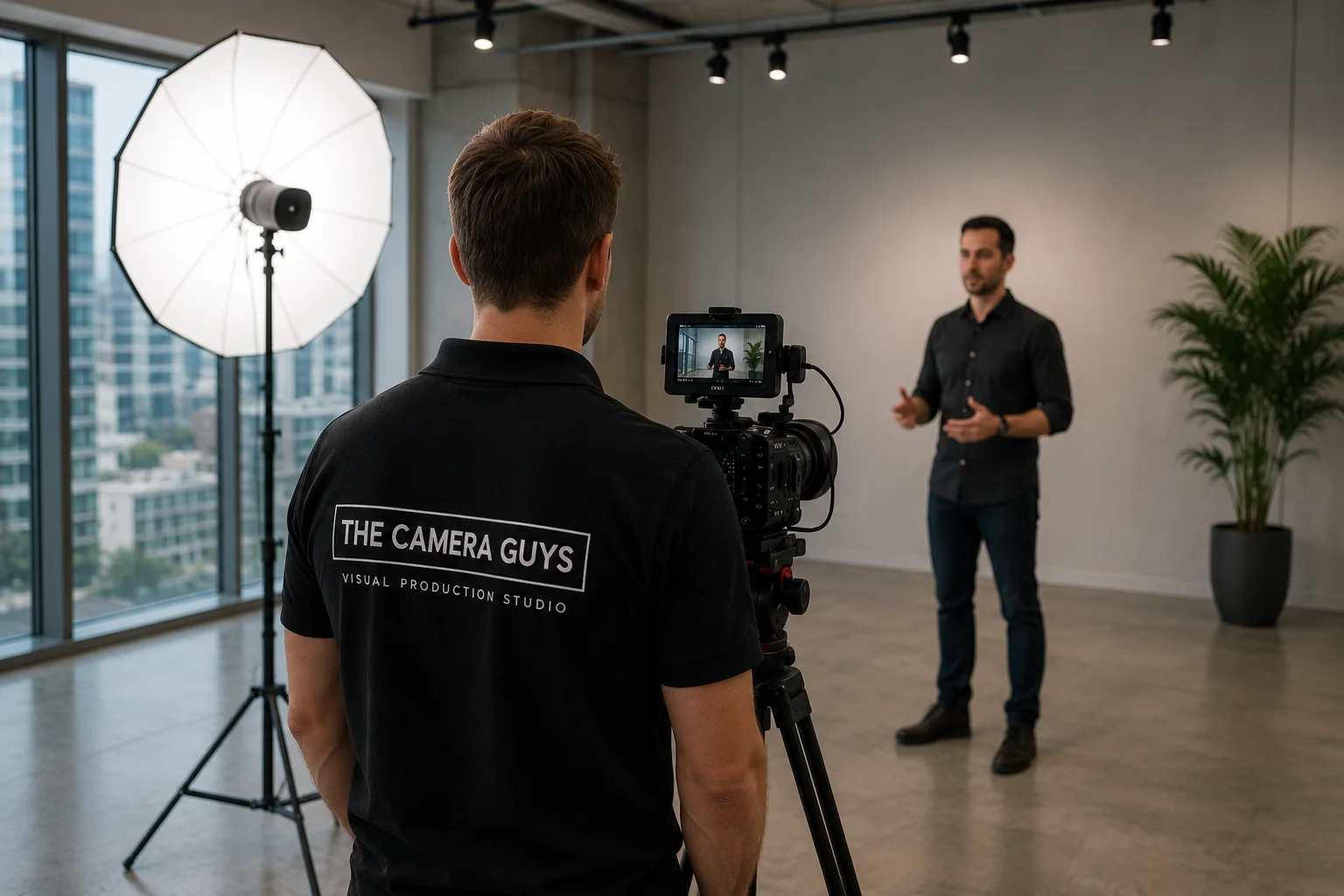
A real example: explaining technical work at Terra Firma
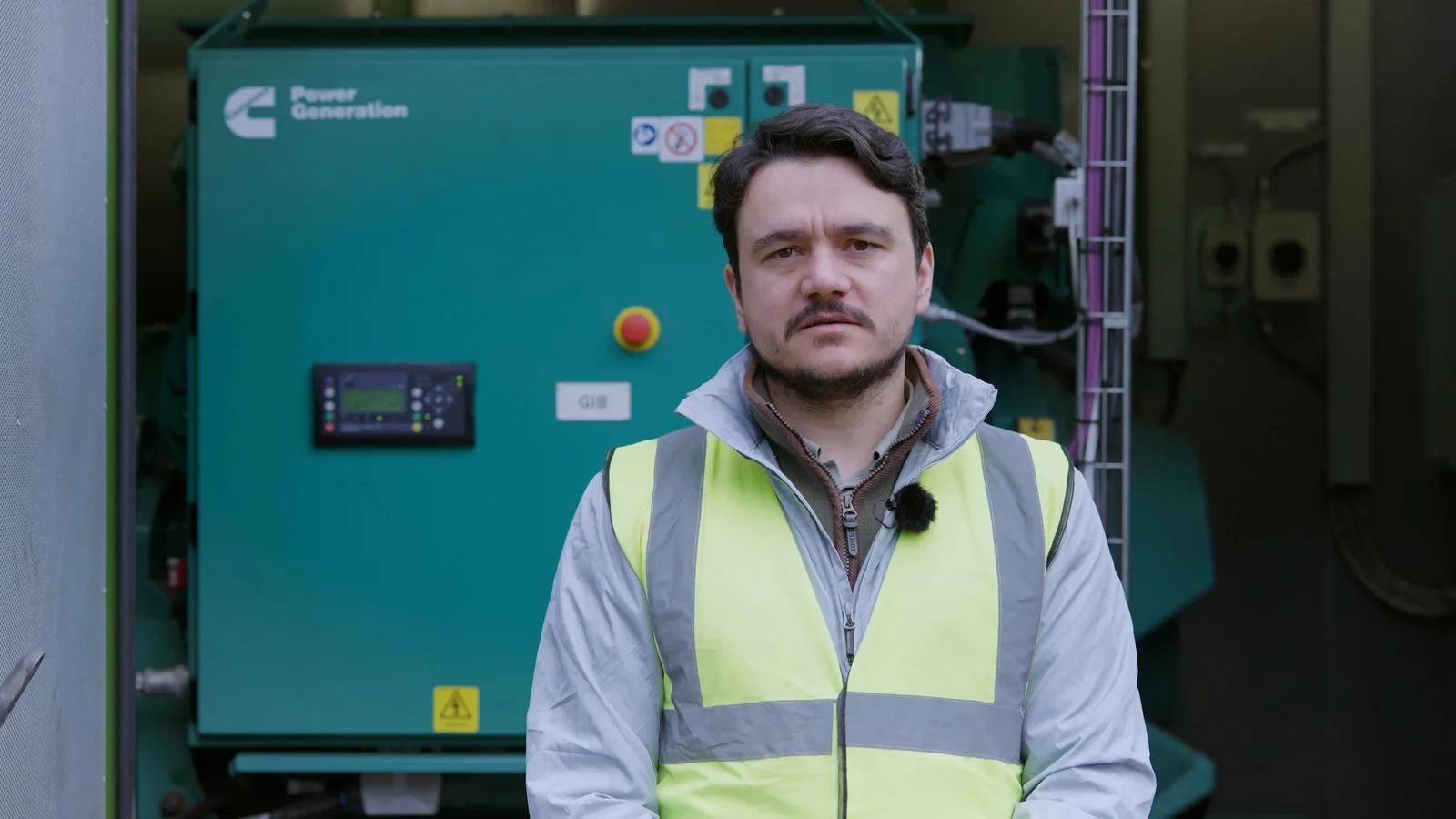
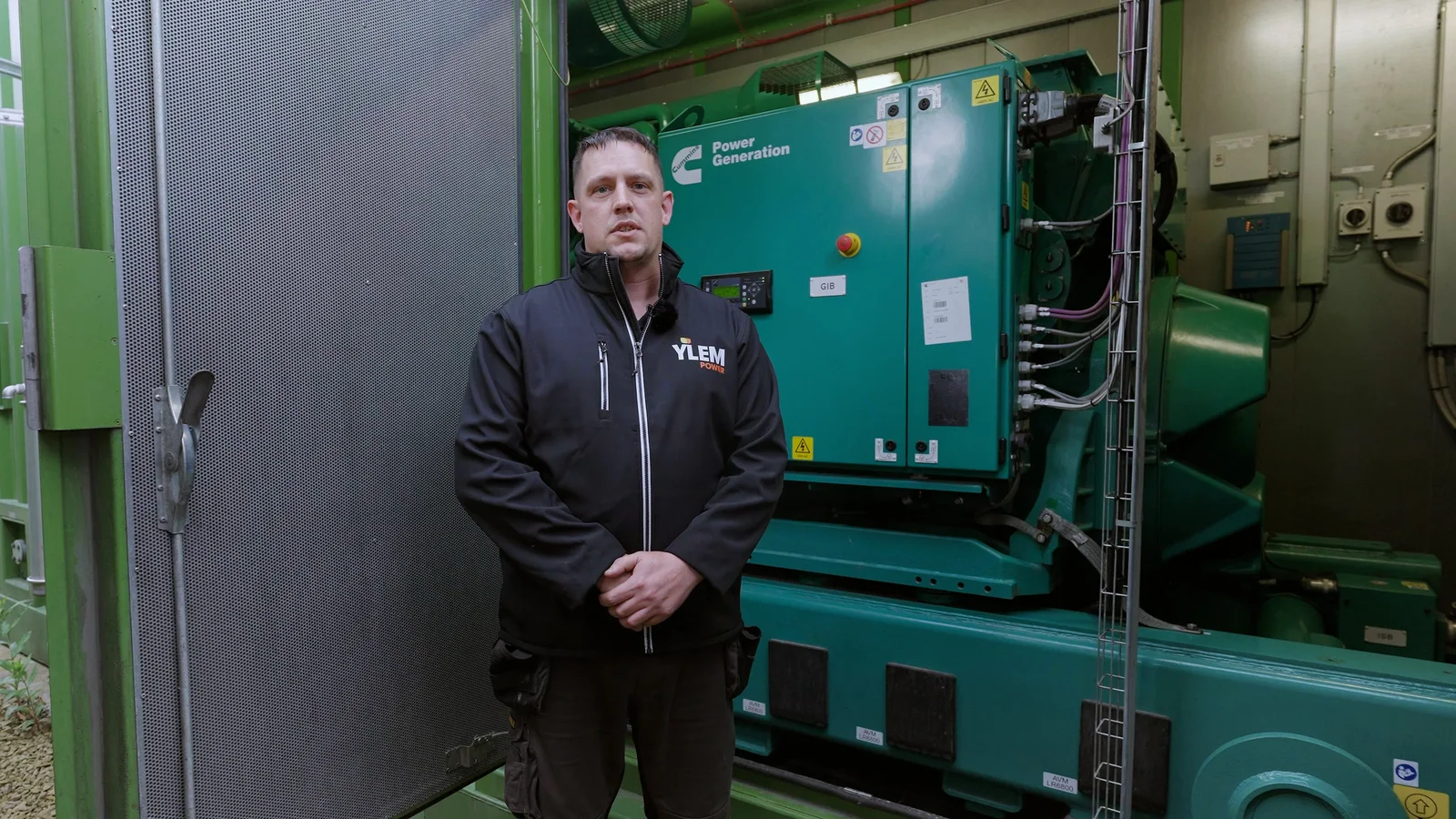
Our YLEM Terra Firma project is a useful example of the different jobs the footage needed to do.
The commission centred on YLEM Energy’s work at Terra Firma’s St Helens generation site. The finished case study combines customer testimony, YLEM’s expertise and views of the plant and maintenance activity.
The interviews carry the explanation. The site footage makes that explanation visible.
Wide views establish the scale of the generation plant. Closer coverage shows engineers, controls and equipment. The working environment gives context to what the contributors are saying.
That is the difference between merely recording an interview and filming a story that can be edited around it.
A technical subject does not necessarily need more complicated language. Sometimes the videographer’s most useful job is simply to show the thing being discussed.
The filming day creates media that now has to be protected
When the final shot is recorded, the footage is valuable and often difficult or impossible to recreate.
Camera files, separately recorded sound and other production media need to be copied, organised and protected before the cards are cleared for another job.
On a smaller production, the videographer may handle that process. A larger production can assign data management to somebody else.
Either way, “the files copied to a folder” is not the same as having a sensible recovery plan.
Our guide to how professional video footage is backed up and stored explains verified copying, working storage, backup and the difference between active project protection and long-term archive.
Clients should also know what happens to source footage after delivery. Indefinite retention should never be assumed unless it has been specifically agreed.
Does a videographer also edit?
Often, yes — but not automatically.
Many videographers offer a complete service from planning through filming and editing. Others are booked only for the shoot and hand the footage to an agency, internal marketing team or separate editor.
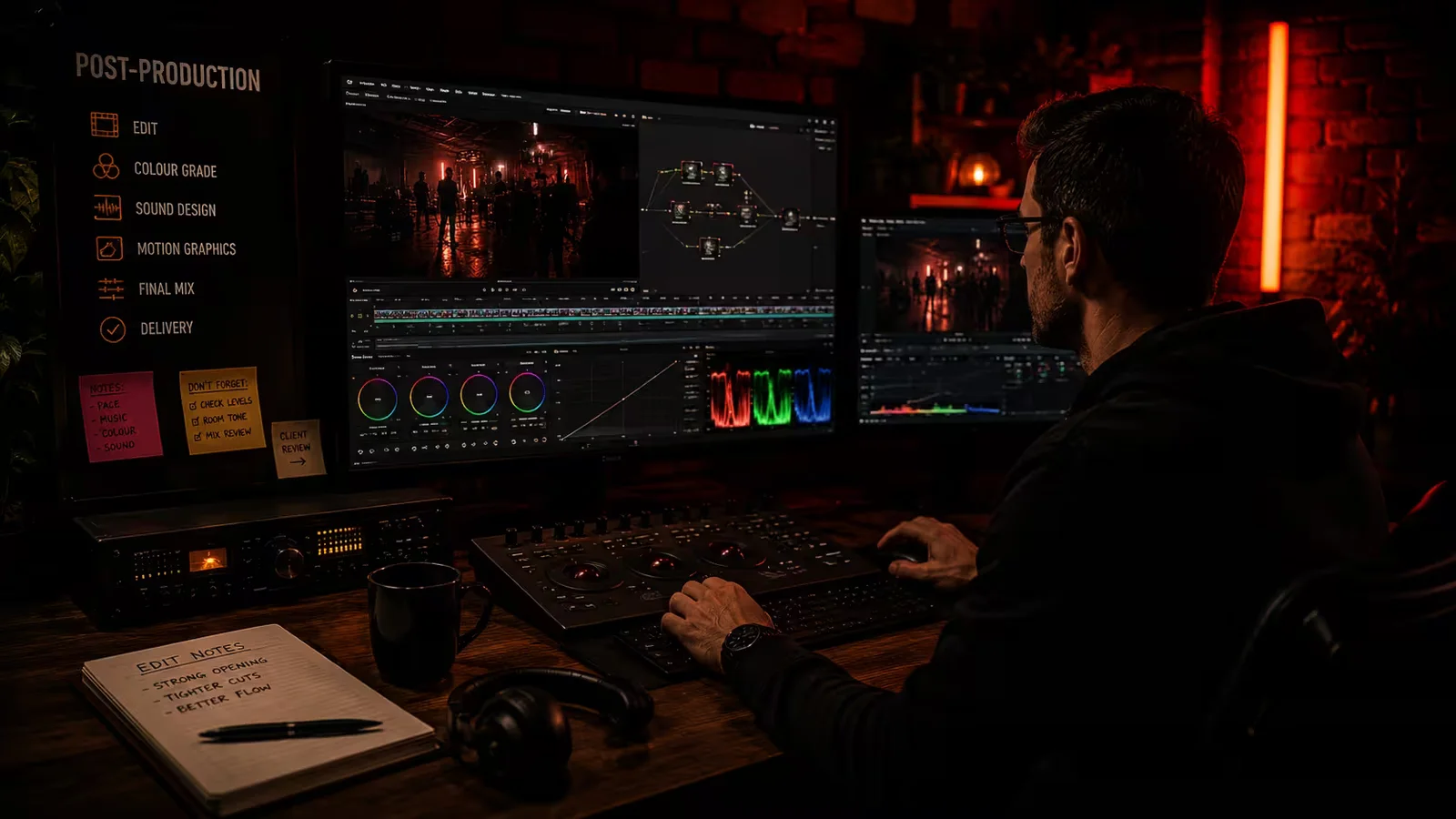
If editing is included, the job continues well beyond choosing the best-looking clips.
Video post-production can include:
- organising and synchronising camera and sound files;
- reviewing interviews and identifying useful answers;
- building the structure;
- selecting B-roll;
- tightening pace and removing repetition;
- colour correction and grading;
- dialogue cleanup and sound balancing;
- music;
- titles and graphics;
- captions;
- review changes;
- exports for the required destinations.
A sixty-second finished film can be assembled from hours of source material. This is why editing effort is not reliably predicted by the final running time.
Confirm whether post-production is part of the videographer’s quotation, what versions will be delivered and how feedback works.
Videographer, camera operator, filmmaker or production company?
The terms overlap, so the title alone is not enough to tell you what somebody will do.
| Term | Usually describes | What to confirm |
|---|---|---|
| Camera operator | Someone primarily responsible for capturing the camera image within a wider production. | Who handles direction, sound, lighting, planning and media. |
| Videographer | A hands-on video professional who may plan, film, record sound and often edit smaller or medium productions. | Which stages of the project are actually included. |
| Filmmaker | A broad creative term that may imply responsibility for storytelling or the production as a whole. | The same thing: scope, people and deliverables. |
| Producer | Someone coordinating the brief, people, schedule, budget and delivery. | Whether they are also filming or managing a separate crew. |
| Video production company | A business capable of bringing together the people and stages needed for the complete job. | Which services and specialists your particular project uses. |
On a straightforward business shoot, one experienced person may perform several of those roles.
On a larger production, splitting them is often more sensible.
Our guide to what a video production company actually does looks at that wider end-to-end responsibility.
The useful question is not “which title sounds most professional?”
It is who is responsible for each part of my project?
When can one videographer handle the whole shoot?
One experienced videographer can be a very efficient option when the work happens in a controlled sequence.
For example:
- set up and record an interview;
- move through the workplace;
- capture the required processes and details;
- pack down;
- edit the material afterwards.
A single operator can also manage more than one camera in some controlled setups. A seated interview is a common example: one main view and a second locked angle can sometimes be monitored by the same person.
The calculation changes when important activity happens simultaneously.
A conference speaker cannot pause while one videographer leaves the room to film networking elsewhere. Two sporting viewpoints may both need active reframing. Separate locations may need coverage at the same time.
An extra camera does not solve every one of those problems. Sometimes you need another person.
Our guide to how many camera operators a production needs explains where the distinction becomes important.
A smaller crew is not a cut-price version of a larger one. When the brief suits it, fewer people can mean less disruption, quicker movement and a more relaxed environment for contributors.
The crew should follow the coverage.
What is not automatically included when you hire a videographer?
This is worth making explicit, because the word “videographer” does not create a universal package.
Depending on the quotation, the following may be included, optional or completely separate:
A finished concept or script
You may be hiring someone to execute an approved plan, or asking them to help develop the idea from the beginning.
Do not assume creative development is included simply because filming is.
Photography
A professional may offer both photography and video, but recording moving pictures does not automatically mean they are also producing an edited still-photography collection.
If you need both, brief both.
Drone filming
Drone work can depend on the location, airspace, weather, permissions, operator arrangements and the requirements of the production. It should be confirmed rather than assumed because you saw aerial footage in somebody’s portfolio.
Specialist crew or equipment
Teleprompters, dedicated sound operators, large lighting setups, livestreaming systems, studios and specialist rigs may sit outside a normal filming setup.
Again, the brief decides.
Unlimited editing changes
A sensible quotation should explain the review process. One coordinated set of factual amendments is very different from repeatedly rebuilding the film around changing stakeholder opinions.
Every possible social-media format
A landscape master does not automatically include square, vertical, subtitled and platform-specific versions. Agree the deliverables before filming so the footage can be composed for them properly.
Permanent storage of everything recorded
Working backups during an active project and indefinite archival storage are different services.
If retaining camera originals or project files matters to you, put it in the agreement.
This is why choosing a video production company should involve comparing scope as well as showreels.
What should you give a videographer before the shoot?
You do not need to know which lens or microphone should be used.
The useful information is about the business and the result.
Give them:
The purpose.
What should the audience understand, feel or do?
The audience.
Customers, employees, investors, visitors and social followers may need very different things from the same organisation.
The destination.
Website, presentation, LinkedIn, Instagram, exhibition screen or internal training system.
The people.
Who needs to appear, and when are they realistically available?
The location.
Include access, parking, noise, safety requirements, restricted areas and anything confidential that should stay out of shot.
The essential facts.
Names, product versions, claims, terminology and anything the client must approve for accuracy.
The deadline.
Give the real use date, not just the day you would ideally like a file in your inbox.
The deliverables.
One main film? Several short versions? Captions? Separate interview edits? Tell the videographer while those requirements can still affect the shoot.
Those details make it much easier to recommend the right crew, time and production approach.
What are you actually paying for?
Professional videography is not priced only around possession of a camera.
You are paying for some combination of preparation, operator time, equipment, technical judgement, direction, problem-solving, media handling and post-production.
The exact combination depends on the job.
Our guide to UK video production costs explains how planning, filming, crew and editing affect a quotation. If you are comparing operator-only rates, see how much a videographer charges.
Compare what each quote actually includes rather than assuming two prices describe the same service.
A useful videographer makes the filming feel simpler than the planning really is
When the job is running well, much of the technical decision-making stays in the background.
The contributor knows where to look.
The interview sounds clear.
The business can carry on around the shoot.
The important process gets captured before the person responsible has to leave.
The editor later has enough material to tell the story properly.
That apparent simplicity comes from somebody making decisions continuously.
At The Camera Guys, our videography and video-production work ranges from focused interviews and events to larger multi-camera productions, with the crew scaled around what the brief actually requires.
You can also browse our video production portfolio to see how the approach changes between corporate case studies, events, promotional work and technical locations.
Tell us what you need the video to do — even if the brief is still rough. We can help work out what needs planning, what should happen on the filming day and what should be delivered afterwards.